How To Test My Well Water

So, you’ve got a well. Congratulations! You’re now the proud owner of your very own underground water supply. Think of it as a secret, slightly muddy beverage dispenser right...

So, you’ve got a well. Congratulations! You’re now the proud owner of your very own underground water supply. Think of it as a secret, slightly muddy beverage dispenser right in your backyard.
But here’s the thing: you can’t just trust that secret dispenser blindly. Unlike city water, there’s no friendly government official testing it for you. You are the water quality inspector now. But don’t panic—it’s way easier than you think.
Step One: Why Should You Even Care?
Well, simply put, gross stuff can sneak in. I’m talking about bacteria, nitrates, lead, and other uninvited guests.
Must Read
Just because the water looks clear doesn’t mean it’s safe. “But my water tastes great!” you say. That’s wonderful! But taste buds can’t spot coliform bacteria. They’re terrible at that job.
The EPA recommends testing your well water at least once a year. Think of it as an annual checkup, but for your plumbing.
Step Two: The “DIY vs. Pro” Smackdown
Option A: The Do-It-Yourself Kit (The Cheapskate’s Delight)
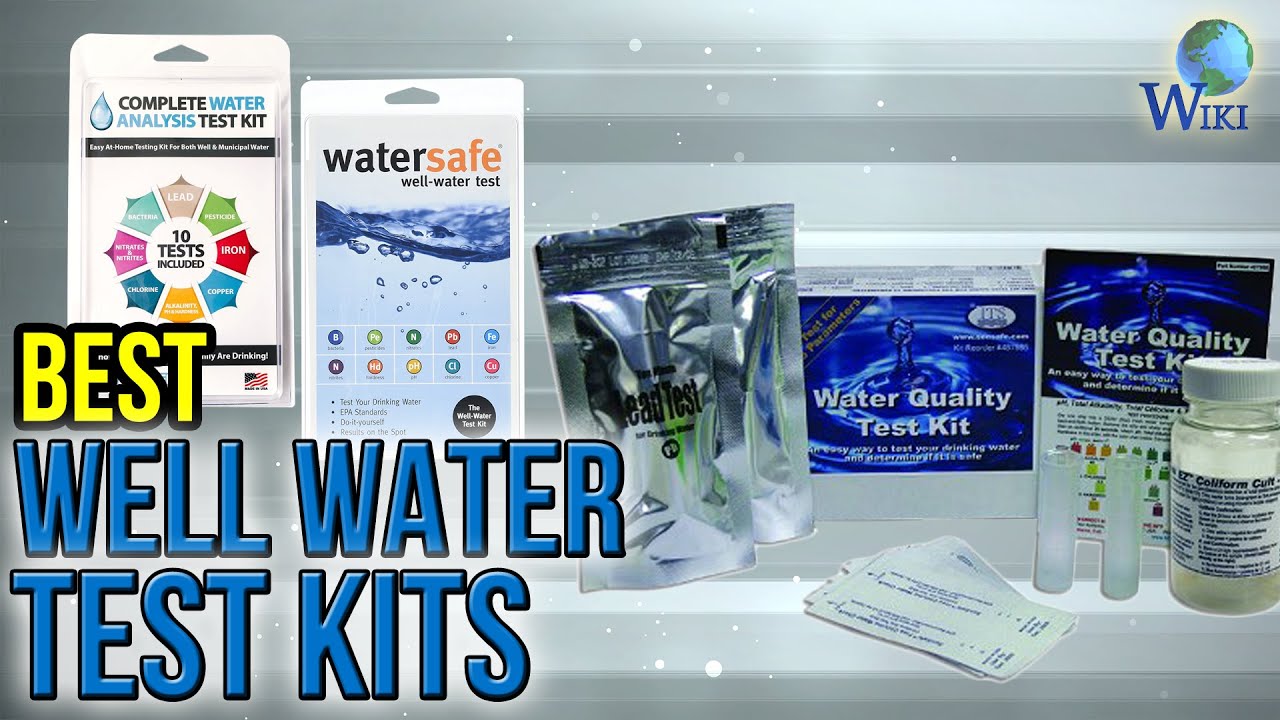
You can buy a home test kit at your local hardware store. They range from $10 to $50, depending on how fancy you want to get.
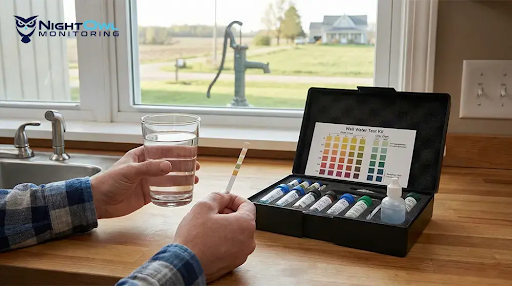
These kits usually come with little strips you dip in a glass of water. They change color like a mood ring. If the strip turns a suspicious shade of “Eww,” you have a problem.
Pro tip: These are great for a quick check on pH, hardness, and nitrates. But don’t trust them for bacteria testing. Bacteria requires a lab—those strips aren’t that powerful.
Option B: The Lab Test (The “I’m a Grown-Up” Method)
This is the gold standard. You collect a sample, put it in a sterile bottle, and ship it to a certified lab. It sounds fancy, but it’s actually super simple.
Most local health departments or water testing companies sell pre-paid kits online. You pee—I mean, fill—the bottle, mail it, and wait for results via email. It’s like ordering a pizza, but for science.
 How to Test Well Water: Complete Home Testing Guide
This test will tell you everything: bacteria, heavy metals, pesticides, and if your water is secretly radioactive. (Probably not, but it’s nice to know!)
Step Three: How to Collect a Sample Like a Pro (Without Crying)
Okay, this part is crucial. You can’t just walk outside and scoop water from a puddle. Do not do that. Here’s the proper technique:
First, pick a tap that’s cold water only—not from a garden hose or a spigot with a screen. Remove any aerator or filter attachment. You want raw, unfiltered well water straight from the source.
Second, sanitize the faucet. Use a lighter or a blowtorch for about 10 seconds. I’m kidding! Don’t burn your house down. Use a cotton ball soaked in bleach to wipe the tap’s mouth. Or just run the water for 5 minutes to flush out stale water.
Third (and most importantly), don’t touch the inside of the bottle cap or the rim. Open the sterile bottle, fill it exactly to the fill line, and cap it immediately. Imagine you’re handling a tiny, explosive vial of celebrity tears. That’s how careful you need to be.
Step Four: What If the Results Are Scary?
Okay, breathe. Bad water doesn’t mean you have to move to a hotel. It just means you need a fix.
If your test shows coliform bacteria, that usually means your well cap or casing has a crack. A cheap repair or a shock chlorination (a big dose of bleach down the well) often solves it. Trust me, your well won’t taste like a swimming pool afterward—the bleach dissipates.
 How Can I Test My Well Water For Drinking at Loretta Little blog
If it shows high nitrates, avoid giving the water to infants under six months. You can install a reverse osmosis system under the sink. They look cool and sound high-tech.
If it shows lead or arsenic, call a well professional. This is the “bring in the big guns” moment. But hey, at least now you know instead of sipping poison for ten years. Winning!
Step Five: How Often Should You Really Do This?
Remember your annual checkup rule? Yes, once a year. Mark it on your calendar. Call it “Wellness Wednesday” or “Water Party Day.”
However, test immediately if you notice any of these signs: sudden bad taste, cloudy water, rusty stains in the toilet, or if a family member gets a mysterious stomach bug. Also, test right after a big flood or an earthquake. Mother Nature is a bit of a prankster.
And here’s the good news: once you do it once, it becomes stupidly easy the second time. You’ll be a water-testing ninja.
The Uplifting Conclusion (You Made It!)
So there you have it. Testing your well water isn’t some scary, lab-coat-only science experiment. It’s just a simple, satisfying chore that says, “Hey, I care about my family’s health and I’m a responsible human.” High five!
Now you can proudly sip your glass of well water with certified confidence. You’ll look at your faucet and think, “Yeah, I know what’s in you. And I’m cool with it.”
So go ahead—order that test kit, pretend you’re a fancy chemist for ten minutes, and then relax. Your water is tested, your gut is safe, and you’ve officially leveled up as a well owner. You’re a water wizard now! Drink up, my friend. 🚰✨
