How To Test Water At Home

Let’s be honest: we don’t give our tap water much thought. It comes out of the faucet, we drink it, we brush our teeth with it, and that’s that. But a few months ago, my morni...
Let’s be honest: we don’t give our tap water much thought. It comes out of the faucet, we drink it, we brush our teeth with it, and that’s that. But a few months ago, my morning coffee tasted a little… rusty. Not quite like metal, but more like the memory of an old pipe. That little weird taste sent me down a rabbit hole of home water testing, and honestly? It was way easier—and more fun—than I expected.
Think of your water like your favorite pair of jeans. It looks fine on the surface, but after years of wear, it might have hidden stains or a weird smell you just don’t notice anymore. Testing your water at home is like giving those jeans a good look in bright sunlight. It’s not about panicking; it’s about knowing what’s actually going on.
Why bother? The “Glass Half Full” Real Talk
Water is the one thing you consume more than anything else. Yet we worry about the ingredients in our snacks but ignore the chemistry of our tap water. That’s like caring about the frosting on a cupcake while ignoring the flour—the flour is the main event!
Must Read
A quick home test can tell you if you have hard water (that white crust on your faucet) or if there are high levels of chlorine (the pool smell). It can even catch surprises like lead or copper, which you really don’t want in your body. The good news? Most issues are easy to fix once you know they’re there.
The “Nose Knows” Test (Zero Equipment)
Before you buy anything, just use your senses. Fill a clean glass with cold tap water, then lift it to your nose. Does it smell like a swimming pool? That’s excess chlorine. Does it smell like a damp basement? That could be bacteria or sulfur.
Now, take a sip. If it tastes like a tin can, you might have metallic minerals like iron or manganese. If it tastes salty, you could have hard water issues. Your own body is actually a pretty decent first-alert system—trust it!
The Low-Tech “Jar Trick” (Your Grandma Would Approve)
I learned this from a plumber who smelled like sawdust and wisdom. Fill a clear glass jar with tap water, then let it sit on the counter for 24 hours. Do not cover it. This is like a little science experiment for your kitchen.
 How to Test Water With a Home Water Test Kit
After a day, check the bottom. If you see a layer of white flakes or sediment, you’ve got hard water—calcium and magnesium partying in your glass. If the water turned cloudy or has a film on top, you might have organic matter or bacterial growth. It sounds gross, but it’s just information. You’re now a water detective!
The $15 Fix: DIY Test Kits
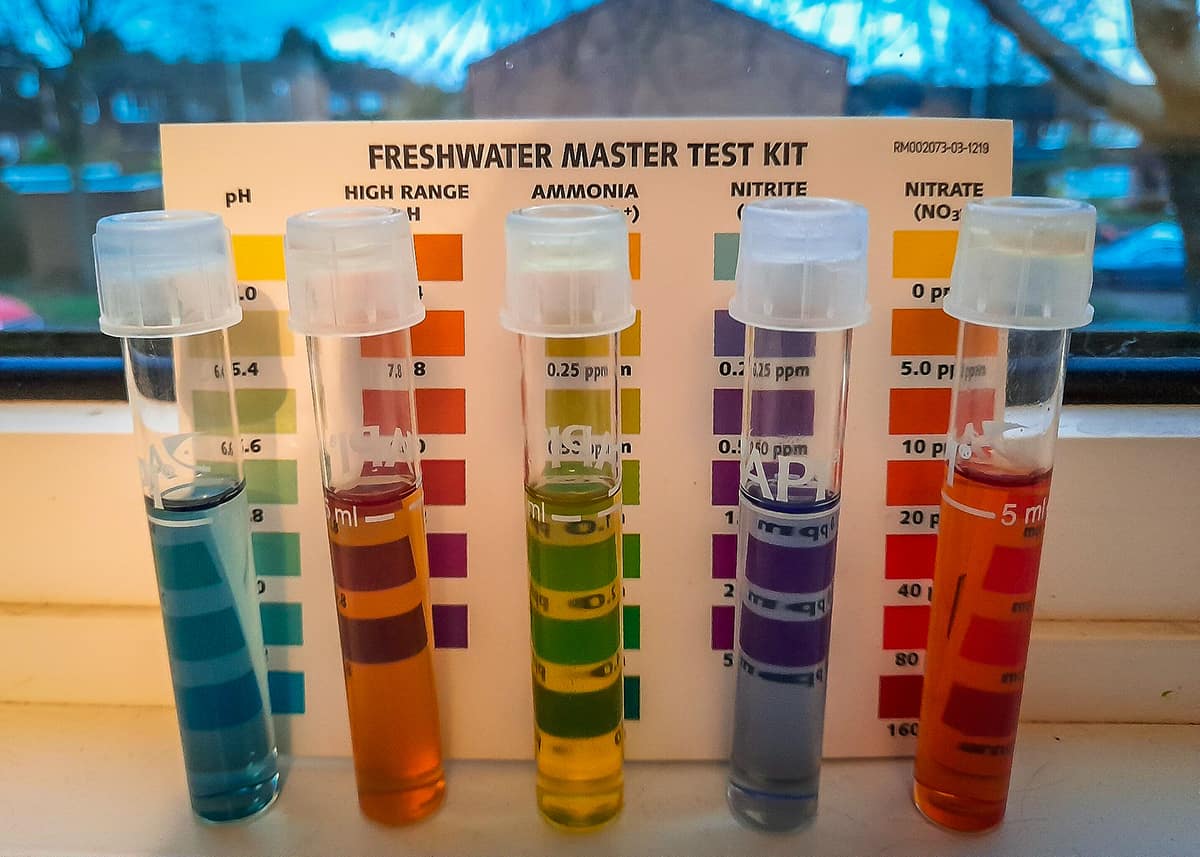
For the truly curious (and slightly impatient), buy a home water test kit. You can find them at most hardware stores or online for about the price of two fancy coffees. These kits come with little strips that look like pregnancy tests—you dip them in water, wait a minute, and compare colors.
I did this last week and discovered my water has moderately high pH and a touch of iron. The test strip turned a shade of pink I’d only seen on flamingos. It was weirdly satisfying. You test for hardness, chlorine, pH, nitrates, and even lead. It’s like a report card for your faucet.
When to Call in the Big Guns
Strips are great for a snapshot, but they’re not perfect. If you have persistent weird tastes or if someone in your house has stomach issues, you might want a laboratory test. You can order a mail-in kit from a certified lab—they send you a bottle, you fill it up, and they send you back a detailed report.
 How to Test Water Quality at Home: Your Complete Guide – World Water
Think of it as getting a blood test for your water. It cost me around $40, and the result was a seven-page document that showed everything down to the parts per billion of copper. It gave me peace of mind, which is honestly worth more than the test itself.
The “Fix It” Smile
Here’s the fun part: once you know what’s up, you can actually do something about it. If your water is hard, a simple jug filter works wonders. If chlorine bothers you, an activated carbon filter (like a Brita) makes it taste like mountain spring water.
I now use a little filter pitcher, and my morning coffee tastes like a hug. My skin feels less dry, too—no more “alligator elbows” after a shower. It’s a small change that makes every day feel just a bit cleaner.
You’re Not a Scientist, and That’s Okay
Look, you don’t need a lab coat or a chemistry degree. Testing your water at home is as simple as looking, smelling, dipping a strip, or sending a bottle in the mail. It takes about ten minutes total, and you get to feel like a real-life investigator. You might even discover your tap water is actually fantastic—which is a win!
So pour yourself a glass, do the jar trick, and see what your water has to say. It’s just you, your kitchen, and a little bit of curiosity. And honestly? That’s the best kind of science to do in your pajamas.
