How To Sanitize Ro System

So, you’ve got a reverse osmosis system under your sink, and it’s been quietly doing its job—turning tap water into that crisp, clean stuff you’re addicted to. But here’s the...
So, you’ve got a reverse osmosis system under your sink, and it’s been quietly doing its job—turning tap water into that crisp, clean stuff you’re addicted to. But here’s the thing: even superheroes need a bath. If you don’t sanitize your RO system regularly, it can turn into a science experiment you didn’t sign up for. Let’s fix that, shall we?
Why Bother Sanitizing?
Think of your RO system as a tiny, hardworking water park—with filters, tubes, and a tank. Over time, bacteria and mold can throw a pool party in there. Gross, right?
Sanitizing keeps the water tasting fresh and your family safe. Plus, it’s way cheaper than buying bottled water for the next decade. Do it for the planet, and your taste buds.
Must Read
What You’ll Need
Grab these items before you start—no need for a hazmat suit, I promise. You’ll need: unscented household bleach (just a little), a clean bucket, a pair of rubber gloves (so you don’t smell like a swimming pool), and a small screwdriver or wrench.
Optional but fun: put on some upbeat music. I recommend “Water” by Tyla—it’s thematically perfect. Ready? Let’s dive in.
Step 1: Shut It Down
First, turn off the water supply to your RO system. Look for the little valve under your sink—it’s usually blue or red. Give it a twist to the “off” position.
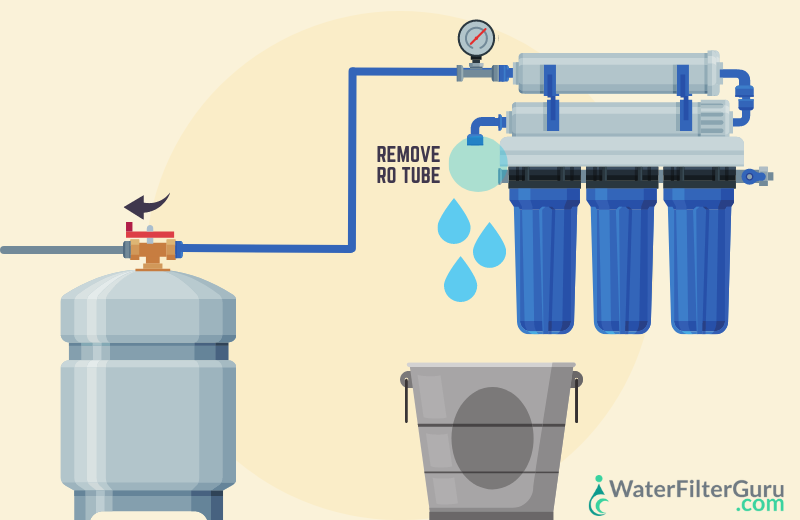
Next, close the tank valve (that’s the little knob on top of your storage tank). You don’t want a surprise shower when you detach things. Trust me on this one. Then, turn off the faucet that dispenses your RO water.
Step 2: Drain the System
Open the RO faucet and let any remaining water trickle out. It’ll be slow, so be patient—it’s not a fire hose. When it stops, you’re good to go.
Now, disconnect the tubing from the tank. Usually, it’s a quick-connect fitting—just push the release ring and pull. Warning: a few drips might escape. That’s just your system saying “bye.”
 How to Sanitize Your RO System: A Comprehensive Guide
Step 3: Mix Your Sanitizer Cocktail
Fill your clean bucket with about one gallon of filtered water. Add one teaspoon of unscented bleach—no lemon-fresh or splash-proof stuff, please. Stir it gently, like you’re making magic potion.
Pour this mixture into the storage tank. You can use a funnel if you’re fancy, or just pour carefully like a lumberjack. Either way, you’re a hero.
Step 4: Let It Soak
Reconnect the tank tubing, but don’t turn on the water supply yet. Open the RO faucet until you see a little bleach mixture dribble out—this means the lines are filled.
Now, close the faucet and let the bleach solution sit for 15 to 20 minutes. That’s enough time to kill bacteria, but not enough time to get bored. Use this window to finally empty your kitchen trash—or just scroll social media. No judgment.
Step 5: Flush Like It’s Going Out of Style
After the soak, turn the water supply back on. Also open the tank valve. Let the RO system run full blast for a good 30 minutes. This flushes the bleach out of the tank and all the tubes.
You’ll see water come out of the faucet—it will probably smell a little bleachy at first. Don’t panic. Let it run until the water tastes normal again. If you’re not sure, take a tiny sip after 15 minutes. (Spoiler: it’ll be fine.)
Step 6: Replace Filters (If It’s That Time)
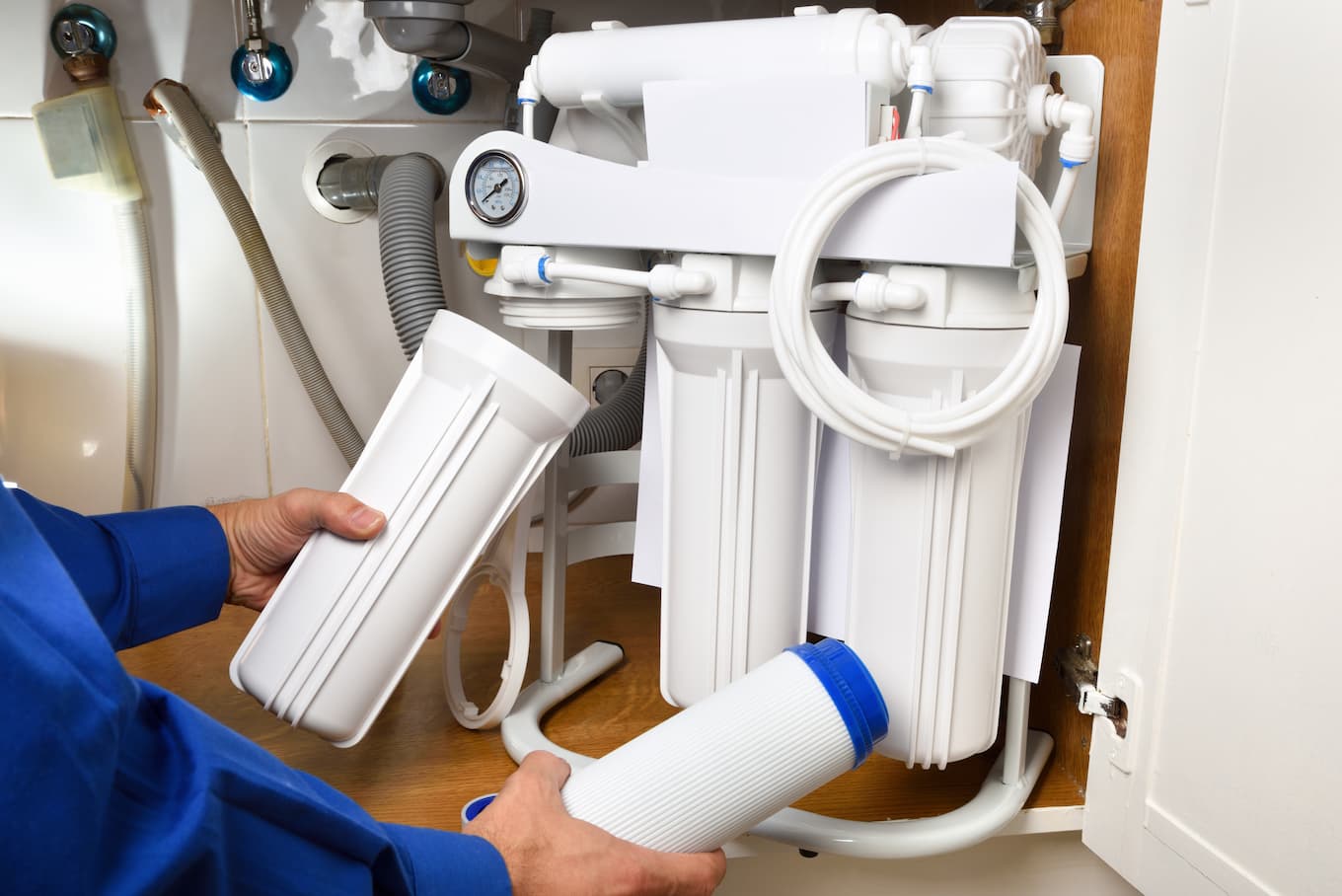
While you’re at it, check your filters. RO systems usually need new pre-filters and post-filters every six to twelve months. Think of them as the tired lifeguards of your water park.
 Can You Drink Seawater? The Process to Make It Potable
If they look grimy or it’s been a minute, swap them out. Sanitizing with old filters is like showering in a dirty bathrobe—counterproductive. Fresh filters + sanitized system = peak performance.
Common Oops Moments (And How to Avoid Them)
Did you forget to close the tank valve before disconnecting? That’s okay—you now own a very wet floor. We’ve all been there. Just mop it up and try again.
Used too much bleach? The water might taste like a pool party for a day. Just flush it longer—your patience will pay off. And if you smell bleach but nothing comes out, double-check that you opened the water supply. Yes, it’s obvious. No, I won’t judge you.
How Often Should You Do This?
Once every six months is the sweet spot. Mark it on your calendar next to “change smoke alarm batteries” and “floss for real this time.” Your system will thank you with crisp, clean water that tastes like it fell from a mountain spring.
If you have a well or your water is hard, you might want to do it every three months. Basically, if your water starts whispering “please clean me,” listen to it.
The Uplifting Conclusion
And there you have it—you’ve officially saved your RO system from becoming a science fair project. Now, when you pour that next glass of water, you can smile and know it’s not just pure—it’s spectacularly pure. Pat yourself on the back. You’re basically a water wizard now.
Every time you take a sip, remember: you fought off invisible bacteria, dodged a bleach mishap, and emerged victorious. That’s not just hydration; that’s a triumph. So go ahead, clink that glass with a toast: To clean water, tiny victories, and you—the unsung hero under the sink. Cheers!
