How To Read A Water Meter

So, you’re staring at a little metal box in your basement or garage, wondering why your water bill looks like you’ve been filling an Olympic-sized pool. I get it. That thing i...
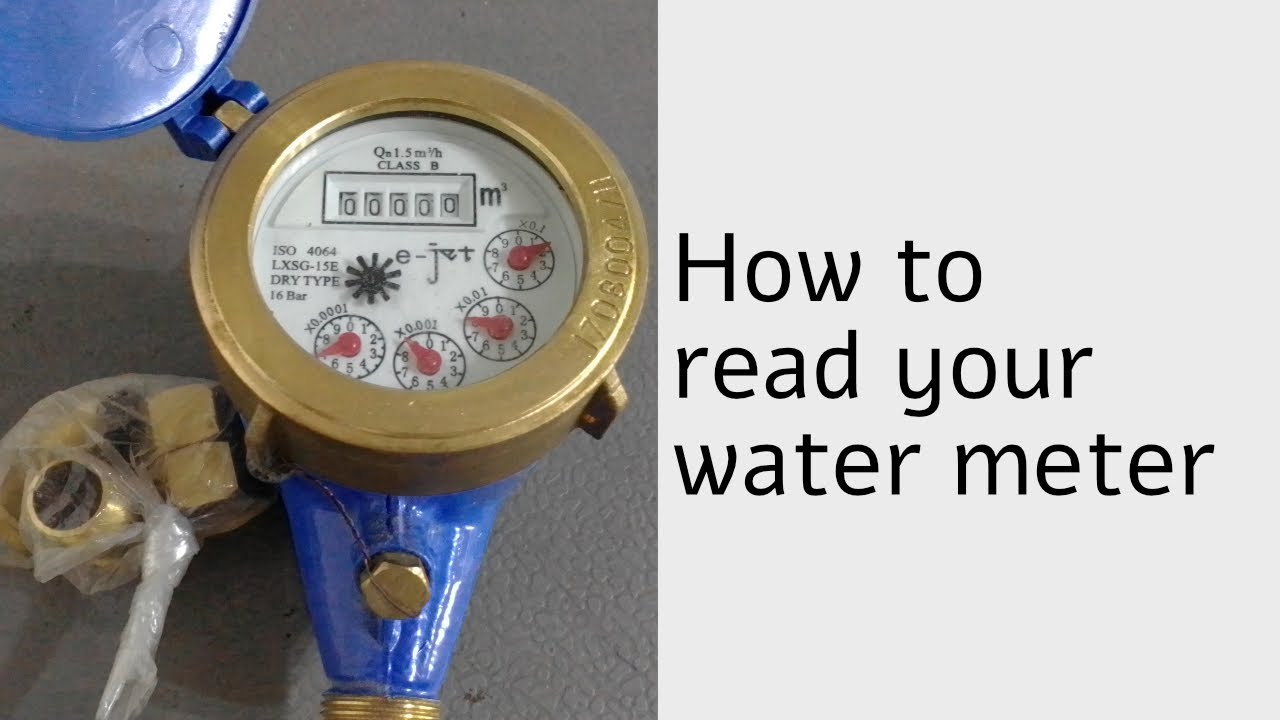
So, you’re staring at a little metal box in your basement or garage, wondering why your water bill looks like you’ve been filling an Olympic-sized pool. I get it. That thing is your water meter, and it holds secrets. But relax. We’re going to crack this code together, like we’re decoding a treasure map—but with less gold and more gallons.
First, Find the Beast
Your water meter is usually hiding in plain sight. Check the basement, crawlspace, or that weird outdoor box near the sidewalk (the one spiders love). Pop the lid open. You’ll see a face that looks like a car odometer, a series of dials, or a digital screen. If you see a triangle or a little red star spinning, take a deep breath—that’s the leak indicator. If it’s spinning when no water is on, you’ve got a problem. Like, call-a-plumber-before-your-next-shower kind of problem.
The Odometer Style (Old School Cool)
This is the most common. It looks like the mileage counter in your grandpa’s ’87 Buick. You’ll see a row of numbers—usually black and white, sometimes red. The black numbers measure whole gallons or cubic feet (don’t panic, we’ll get to units). The red numbers are fractions, sort of like the cents on a price tag. Read those black digits from left to right. That’s your total water usage since the meter was installed. Don’t write down the red ones unless you’re a perfectionist. Life’s too short.
Must Read
The Dial-a-Drama (Round and Round)
If your meter has a bunch of little clocks instead of numbers, you’ve got a dial meter. Don’t run away. Read each dial from left to right, but here’s the trick: if the pointer is between two numbers, write down the smaller number. Yes, even if it’s leaning toward the bigger one. It’s like rounding down your age after your birthday—it’s kinder. And that one dial that spins backward? It’s testing your patience. Just note the number it’s pointing to, and move on.
The Digital One (Fancy Pants)
Some of us have newfangled digital meters. These are the easiest. You just read the number on the screen. No guessing, no squinting. It’s like cheating. Sometimes you’ll see a button to cycle through options like “flow rate” or “leak test.” Press it if you’re feeling brave. Press it twice if you want to feel like a tech wizard. But honestly? Just write down that nice, big, clear number.
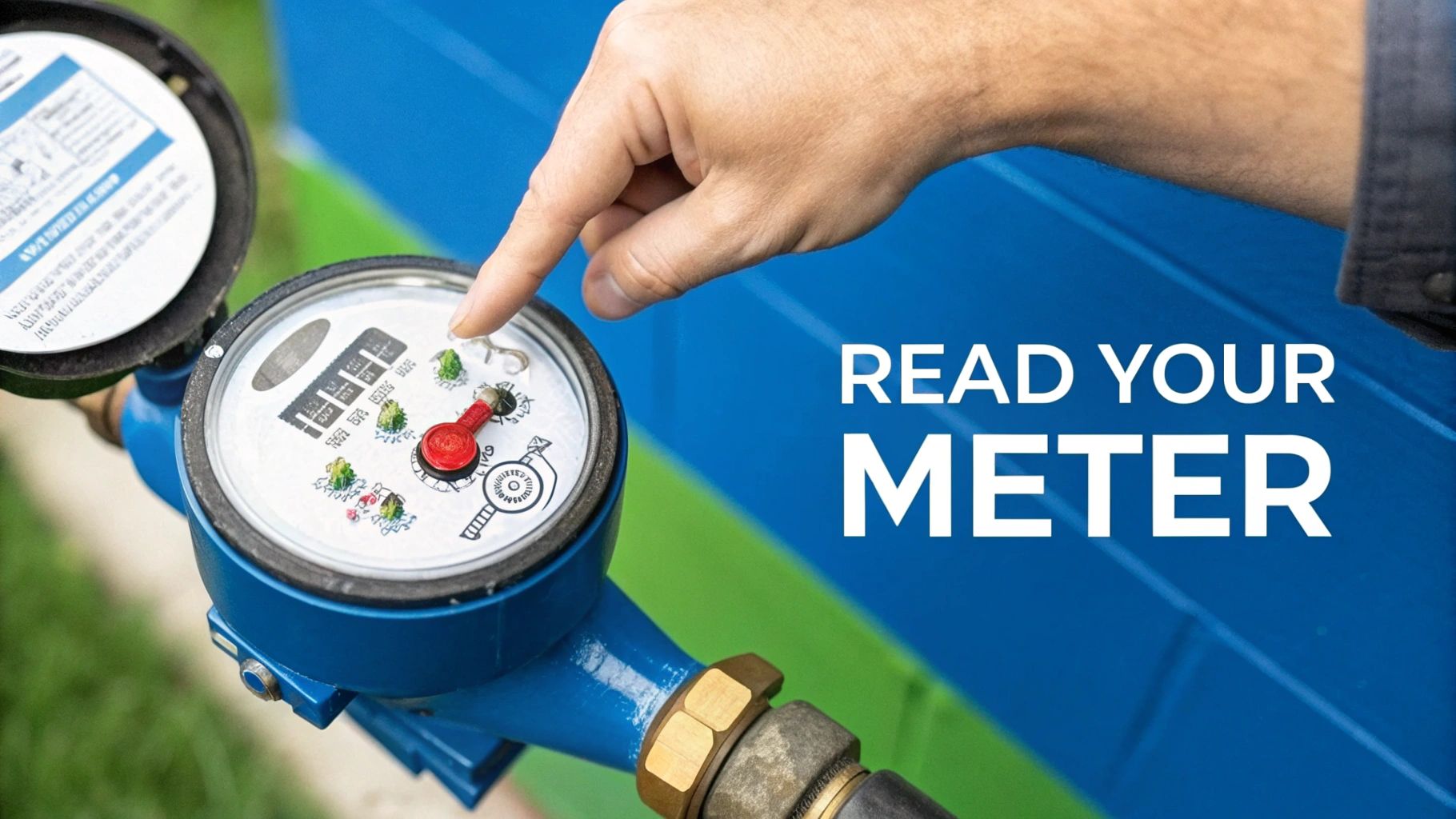 How to Read Water Meter: The Ultimate Homeowner's Guide - Mokher Plumbing
The Units Trap (Don’t Trip)
Here’s where people get googly-eyed. Your meter might measure in cubic feet or gallons. One cubic foot of water equals about 7.48 gallons. Your bill probably uses one or the other. Check your last bill—it’ll say. If you see a number like “1500” on the meter, and your bill says “11,220 gallons,” you’re doing cubic feet (1500 x 7.48 = 11,220). If you hate math, just write down the number and let the water company do the translating. They’re pros. You’re just here for the vibes.
How to Actually Check for Leaks (The Fun Part)
Find the leak indicator—that little triangle, star, or spinning wheel. Turn off every faucet in your house. I mean every single one. Even the one in the guest bathroom you forgot existed. Now, go watch that indicator. If it moves at all—even a tiny flutter—you have a leak. It could be a drippy toilet flapper (very common) or a pipe sweating in the wall (less fun). To confirm, write down the meter reading now. Don’t stop laughing.
The Toilet Test (Because It’s Always the Toilet)
Head to your toilet. Lift the tank lid. Listen. Do you hear a faint hiss? Put a few drops of food coloring in the tank water. Wait ten minutes. If that color appears in the bowl without flushing, your flapper is toast. Congratulations, you’ve found the leak that’s draining your wallet faster than a Starbucks habit. Fix it. It’s a $5 part and twenty minutes of your life. You can do this.
 How to Read a Water Meter | Billing, Leaks & Overconsumption
Monthly Check-Up (Become a Water Detective)
Make it a habit. Once a month, at the same time of day—say, after your morning coffee but before you forget—go read your meter. Write down the number. Subtract last month’s number. That’s your usage. If it’s suddenly higher than normal (and you didn’t host a car wash for your entire neighborhood), you’ve got a mystery to solve. Is a kid leaving the hose on? Is the sprinkler system glitching? You’re the detective. The meter is your sidekick. Use it.
The No-Water-Use Weekend Test
Going away for a weekend? Read the meter before you leave. Read it when you get back. If it changed, you have a consistent leak. This is your new superpower. Imagine telling your friends, “I caught my water meter lying.” You’ll feel like a superhero with a multimeter and a suspicious eyebrow. Own it.
When All Else Fails, Call in Backup
Look, sometimes the meter is buried under a garbage can or frozen in a block of ice. Or you’re just not in the mood. That’s fine. Call your water company. They have people who read these things for a living. You have a life. But now you know the basics. You can walk up to any water meter and say, “I see you, and I understand your ancient language.” That’s power. That’s freedom. That’s knowing why your bill for last month looked like it should’ve come with a swimming pool. Go forth and read. No calculator required.
