How To Test Water Quality

Ever taken a gulp of water and thought, “Huh, tastes a bit… weird today?” You’re not alone. Water is basically the planet’s blood, and just like your own blood, it can get a l...
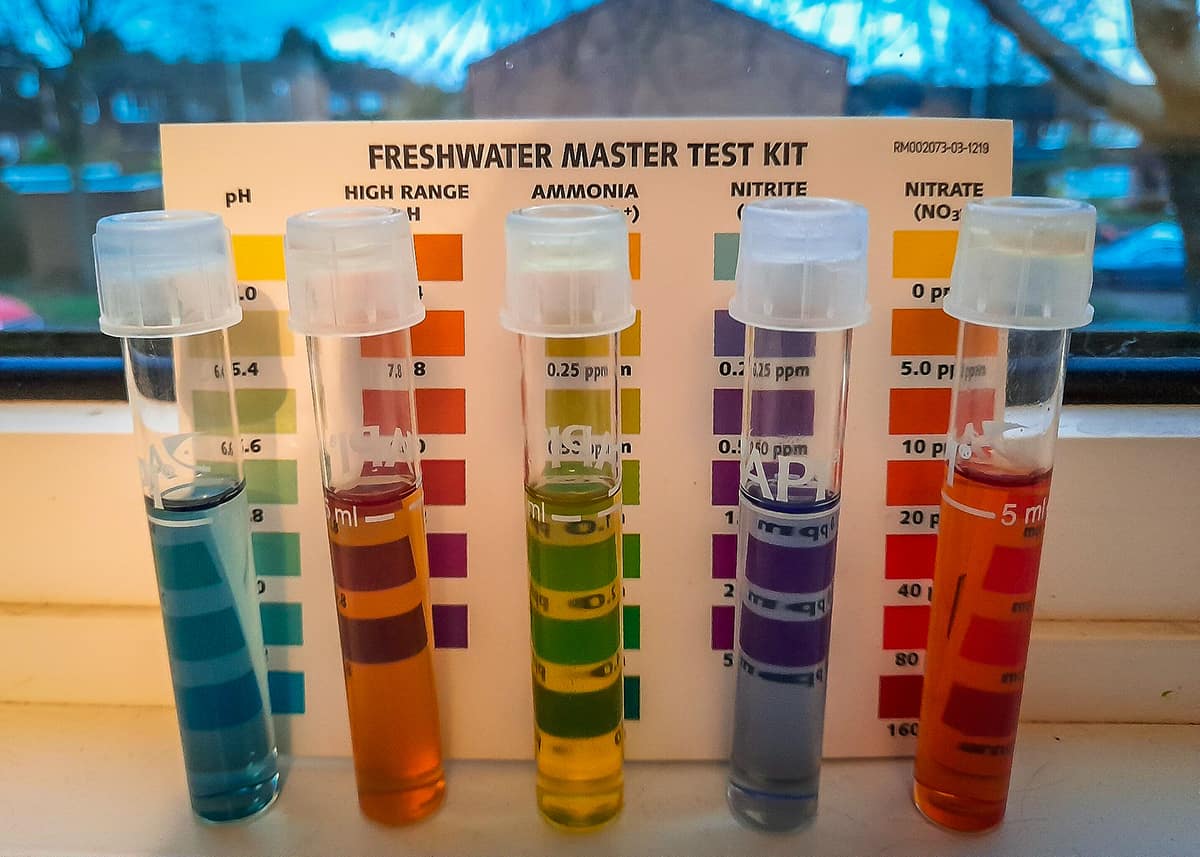
Ever taken a gulp of water and thought, “Huh, tastes a bit… weird today?” You’re not alone. Water is basically the planet’s blood, and just like your own blood, it can get a little funky. Testing your water quality isn’t just for scientists in lab coats—it’s a cool, hands-on way to become a detective for what’s flowing from your tap.
Think of it as a health checkup for your faucet. You wouldn’t skip your own annual physical, right? So why let your water slide by without a quick look?
The “Is This Safe?” Vibe Check
Before you go full lab-rat with expensive gadgets, start with your senses. Your nose is a powerful tool—sniff your glass. Does it smell like a swimming pool, a rotten egg, or nothing at all? A chlorine smell means the city’s doing its job, but a sulfur whiff (like rotten eggs) usually hints at bacteria in your pipes or a hot water heater issue.
Must Read
Now, look at it. Clear water is great, but if you see cloudiness (we call that turbidity) or floating specks, that’s a red flag. Imagine trying to breathe through a foggy mask—your water is having the same problem if it isn’t crystal clear. Taste it (if you dare), but remember: your mouth isn’t a lab. It’s just a quick first check.
The Home-Testing Starter Kit
You’ve graduated from the “sniff test.” Now, let’s grab a home testing kit. These are cheap (like $15–30) and crazy easy. You just dip a strip into a glass of water, wait a few seconds, and compare the color changes to a chart. Simple, right?
These strips check for the basics: pH levels (acidic vs. basic), hardness (how much calcium and magnesium are in there), chlorine, and even nitrates. Think of it like a mood ring for your water. If the color for pH is deep blue, your water is too alkaline; if it’s orange, it’s too acidic. Either way, it might taste flat or bitter.
Fun comparison: Testing pH is like checking if your water is a grumpy lemon or a chill cucumber. You want it somewhere in the middle—a happy, neutral balance (around 7.0).
 How to Test Water Quality at Home: Your Complete Guide – World Water
Why Should You Even Care?
Here’s the cool part: water quality affects everything. Hard water makes your soap lather less and leaves white crust on your kettle—it’s why your dishes look spotty. Ever wonder why your hair feels sticky after a shower? That’s hard water clinging to your strands. Test it, and you’ll know if you need a water softener.
Then there’s the “hidden stuff”. Nitrates can sneak in from fertilizers or leaky septic tanks. They’re invisible and tasteless, but high levels are bad news for babies and pregnant folks. A simple strip test can catch them. It’s like finding a ninja in your glass—better to spot it before it strikes.
The “Fancy” Level: TDS Meters and Bacteria Kits
Feeling extra curious? Grab a TDS meter (Total Dissolved Solids). It’s a little black wand that tells you how much dissolved stuff—like minerals, salt, or metals—is floating in your water. It doesn’t say what exactly, but it gives you a number. High TDS? Your water might taste metallic or salty.
For the truly brave, buy a bacteria test kit. You fill a sterile bottle, mail it to a lab, and wait for a report. Wait, that sounds like homework? Actually, it’s awesome because you learn exactly what microscopic roommates are hanging out in your plumbing. E. coli, anyone? Hopefully not.
Pro tip: Well water needs this more than city water. City water is treated, but wells can pick up runoff from farms or rain. If you live in a rural area, testing quarterly is a smart habit—like changing your toothbrush.
 Water Testing Diagram Water Testing 101
The “Why It’s Interesting” Bit
Here’s the kicker: water quality isn’t just about safety. It’s about flavor. Did you know baristas obsess over their coffee water’s pH and hardness? They do, because bad water ruins a good bean. Test your tap, and you might realize why your coffee tastes dull or your tea looks cloudy. It’s the water, not your brewing skills.
Also, testing connects you to your local environment. Is your water picking up limestone from the ground? That’s hard water. Is it acidic from pine forests? That’s soft water. You’re basically reading the landscape through your glass. Pretty rad, right?
Last Sip of Advice
Start simple: a strip kit for $20 will tell you more than scrolling through paranoid internet forums. Test your water once in the morning (after it’s sat in the pipes all night) and once after running the tap for a minute. That gives you a “first sip” reading versus a “flushed” reading. Compare the two—total detective work.
And remember, water picks up stuff from your pipes, your city’s treatment plant, and even your own building. Testing isn’t about panicking; it’s about knowing. So grab a kit, pour a glass, and start exploring. Your water has stories to tell—you just have to listen to its colors and numbers.
Go on, hydrologist. Your kitchen is the lab.
