How To Read A Water Metre

Ever stood over a little metal lid in your yard and wondered what mystery lives beneath? That, my friend, is your water metre, and it’s way cooler than you think. It’s a tiny,...
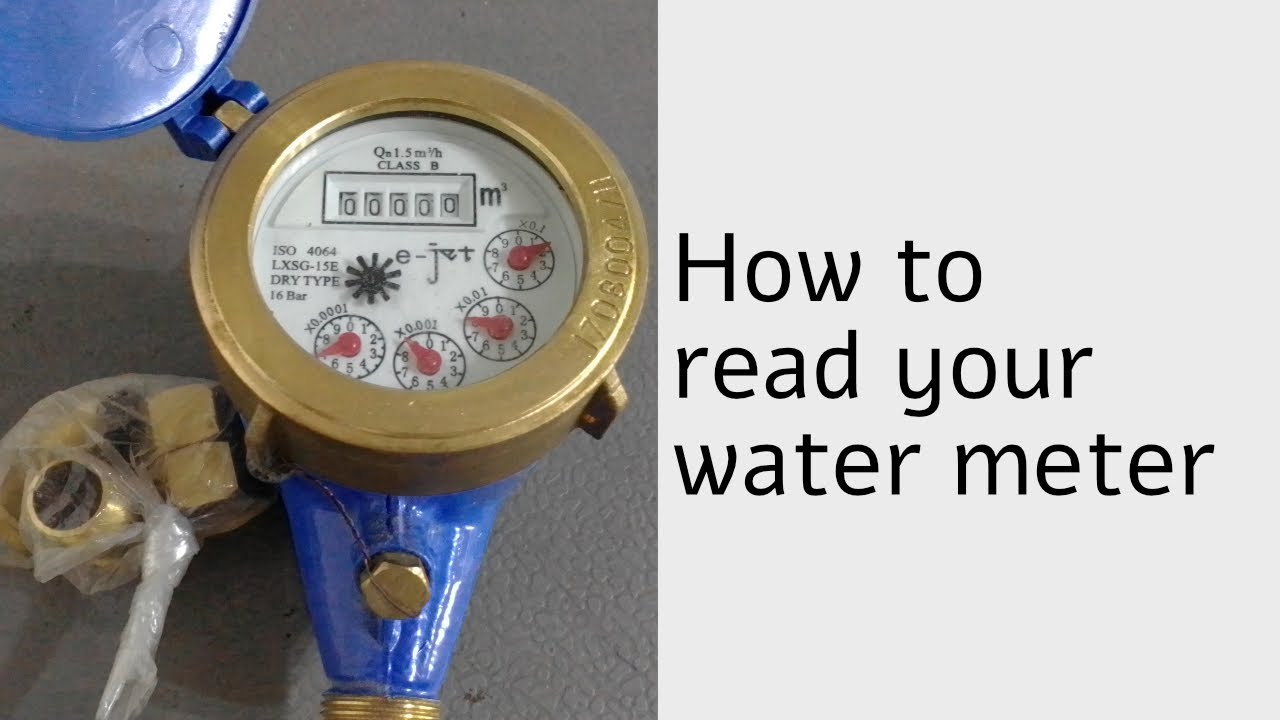
Ever stood over a little metal lid in your yard and wondered what mystery lives beneath? That, my friend, is your water metre, and it’s way cooler than you think. It’s a tiny, silent storyteller, tracking every drop that flows into your home.
So, what’s the big deal about reading one?
Well, you might be paying for more water than you actually use. Landlords and utility companies make mistakes, you know.
By reading your metre yourself, you become the detective of your own utility bill. Plus, you can spot a sneaky leak before it turns into a soggy nightmare.
Must Read
First, find your metre
Most metres live in a concrete box near the street, usually with a metal or plastic lid. Pop that lid open—carefully, it might be heavy.
Inside, you’ll see a counter that looks like the odometer on an old car. It’s basically a little digital or analog dash for your water pipeline.
Ever peeked under the hood of a car? The same curious feeling applies here.
Reading the dial: the easy part
Ignore the spinning red triangle or the little star-shaped pointer for now. That’s the flow indicator, and it just shows if water is running anywhere.
Focus on the big numbers, just like you’d read a gas mileage display. They measure in cubic feet or gallons—check the label on your metre to know which.
Write down that number. That’s your first reading. Simple, right?
Why the spinning thingy matters
Here’s where it gets fun. Turn off absolutely every water-using thing in your house—taps, dishwasher, toilet, everything. Then watch the little triangle or star on the metre face.
If it’s still turning, you’ve got a leak. It might be a slow drip from a faucet or a silent toilet ghost-flushing.
 How to Read a Water Meter | Billing, Leaks & Overconsumption
Think of it like a heartbeat monitor for your plumbing. A still triangle means a peaceful house; a spinning one means a hidden problem.
How to catch a leak like a pro
Take a reading, then don’t use any water for an hour—go for a walk or binge-watch a show. Come back and read the metre again.
If the number changed at all, bingo. You’ve got a leak that’s costing you money.
It’s like weighing yourself in the morning, but for your pipes. Annoying? A little. Worth it? Absolutely.
The fun analog vs. digital difference
Old metres have a sweep hand that spins like a stopwatch. Newer digital metres flash numbers like a tiny clock.
Digital ones often have a button you press to cycle through readings: total water used, flow rate, and sometimes even a “leak alert” symbol. Press it—it’s satisfying.
If your digital metre shows a red wrench icon, call your utility. That’s their way of saying, “Hey, I’m confused.”
Reading breaks down to three moves
One: find the big number display. Two: write it down in a notebook or your phone. Three: check it again next week at the same time.
 How Does A Water Meter Reading Work at April Hyde blog
Compare the two numbers to see exactly how many gallons or cubic feet you used. Then look at your bill to see if it matches—you might find a pleasant surprise.
You’ll feel like a legit home hero, honestly. No cape required.
Why this is actually kind of awesome
Reading your water metre gives you control over a thing you usually just ignore. It’s like checking your car’s oil—simple maintenance that saves headaches.
Plus, you can track how much water you use for fun stuff: filling a pool, watering the garden, or that epic bubble bath. It turns invisible consumption into a tangible story.
And hey, if you spot a weird spike before the bill arrives, you can call the plumber early. That is a power move.
Don’t overthink it
You don’t need a manual or a degree in plumbing. Just pop the lid, read the numbers, and take a note.
Think of it as playing a tiny, boring video game where the prize is lower bills and no surprise floods. Pretty good reward for thirty seconds of effort.
So go ahead, step outside, and give your metre a little look. It’s waiting to tell you its secrets.
