What Does Higher Ph Mean

Let’s talk about pH. You’ve seen the number, maybe on a pool test kit or a bottle of fancy water. But seriously, what does a higher pH actually mean? Pop quiz: Think of pH as...
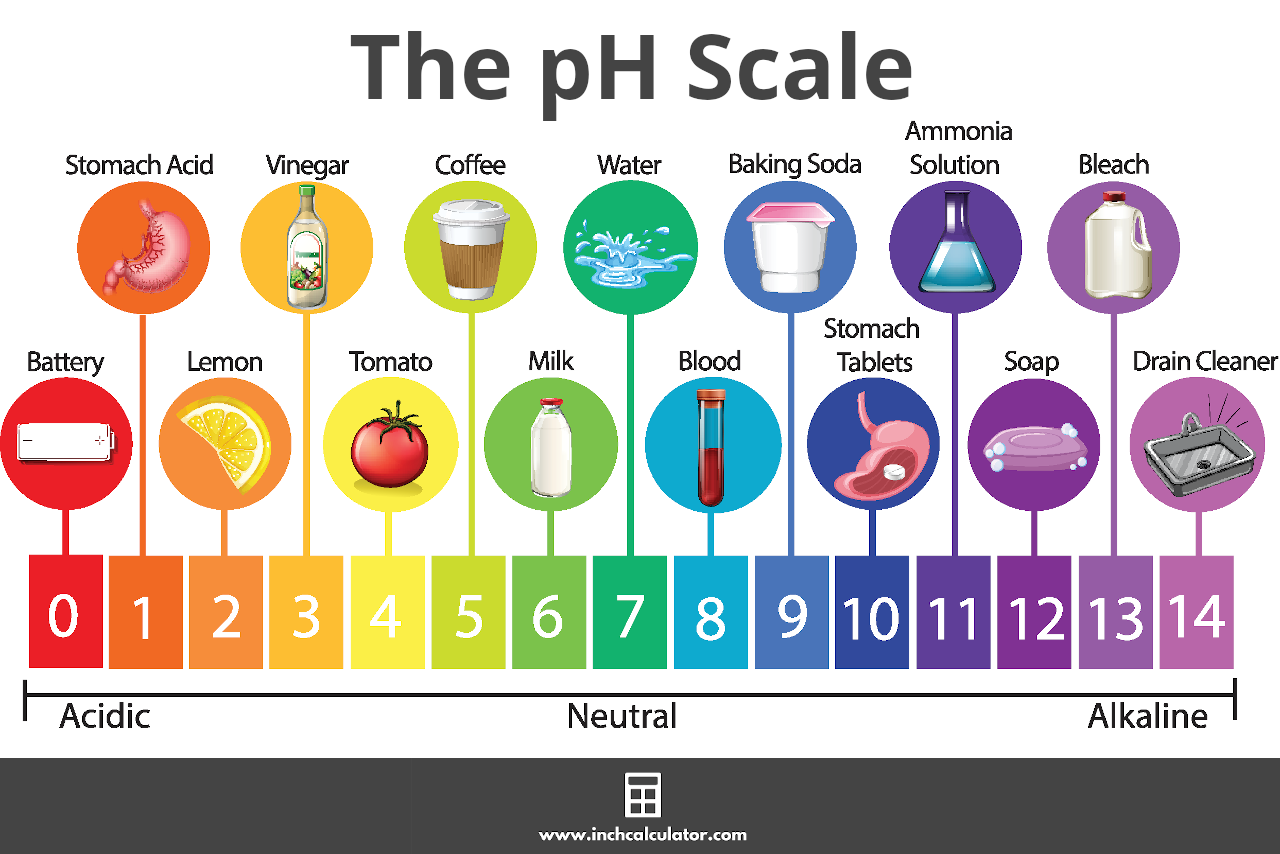
Let’s talk about pH. You’ve seen the number, maybe on a pool test kit or a bottle of fancy water. But seriously, what does a higher pH actually mean?
Pop quiz: Think of pH as a sass meter for liquids. Low pH is cranky acid. High pH is chill basic stuff.
Here’s the secret: Higher pH means more hydroxide ions (OH-). That’s like adding extra calm to a storm.
Must Read
The pH Scale: A 14-Step Drama
The scale runs from 0 to 14. Seven is neutral, like pure water. Below 7? You’re in sour town.
Above 7? Welcome to the basic side. Soap, bleach, and baking soda live here. They’re not mean; they’re just alkaline.
A higher pH number means less acid. Think of it as turning down the volume of “ouch.”
Fun Fact: The Logarithmic Whiplash
Here’s where it gets wild. pH is logarithmic. That’s a fancy word for “tiny change, huge difference.”
A shift from pH 7 to pH 8 means ten times more basic. From 7 to 9? That’s one hundred times more basic. Mind blown yet?
Your stomach acid is around pH 2. Bleach is about pH 13. That’s a billion times more basic. Don’t mix them. Seriously.
Higher pH in Your Body: The Weird Stuff
Your blood likes a cozy pH of 7.35 to 7.45. If it drifts higher—say, 7.7—you get alkalosis. Sounds made up, right?
Symptoms? Muscle twitching, nausea, and confusion. Your brain gets all fuzzy. Fun for a second, then terrifying.
Causes include hyperventilating or chugging too much baking soda. You know, the usual Friday night shenanigans.
![[Solved] వర్షపు నీటి pH విలువ 5.6 కంటే తక్కువగా ఉంటే దాన్](https://storage.googleapis.com/tb-img/production/21/06/ph_scale.png) [Solved] వర్షపు నీటి pH విలువ 5.6 కంటే తక్కువగా ఉంటే దాన్
[Solved] వర్షపు నీటి pH విలువ 5.6 కంటే తక్కువగా ఉంటే దాన్
Quirky Fact: The Bleach Blondes of Nature
Higher pH can bleach things. Ever see a hot spring with bright orange or green edges? That’s microbes loving a pH of 10.
Some bacteria thrive in pH 11. They literally live in liquid soap. They’re the hardcore survivalists of the microscopic world.
One extreme base, pH 14, can dissolve a chicken bone in days. Don’t try this at home—unless you want a science experiment your mom will hate.
Why This Matters for Your Pool and Your Pizza
Pool pH too high? The chlorine stops working. Your swim turns into a slime party. Algae love that dance.
Garden soil pH too high? Plants can’t absorb iron. Leaves turn yellow. Your tomatoes get grumpy.
Even pizza dough! A higher pH (less acid) makes the crust darker and crispier. Thank the baking soda reaction.
The Hilarious “Burp” Connection
Antacids (like Tums) raise your stomach’s pH. That’s why they stop heartburn. But too many? Burp city.
A higher stomach pH also messes with digestion. You don’t break down proteins as fast. Your belly throws a tiny toddler tantrum.
Funny enough, your stomach actually needs low pH. It’s a defensive moat against bacteria. Don’t flood the moat.
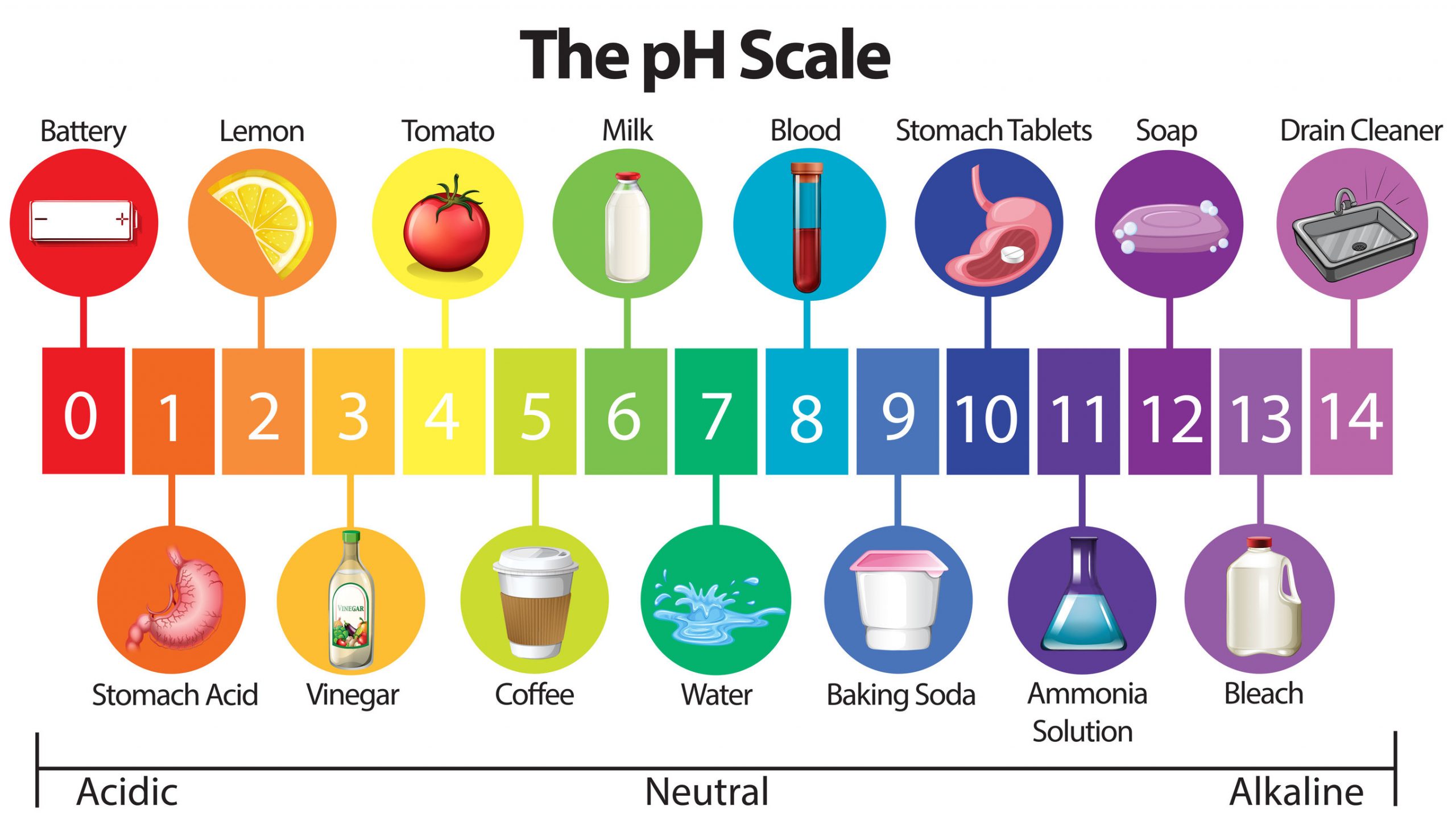 Oven Cleaner Ph Scale
Everyday High pH: The Superstars
Baking soda (pH 9). It deodorizes fridges, cleans sinks, and makes cookies puff. It’s the Swiss Army knife of the kitchen.
Soap (pH 9–10). It breaks down grease because fat hates high pH. That’s why your hands feel squeaky clean.
Bleach (pH 12–13). It kills germs by denaturing their proteins. Basically, it makes germs fall apart like a bad joke.
A Wild Warning: The Lye Danger
Lye (pH 14) is used to make pretzels and soap. But if you touch it? Chemical burn. It literally dissolves your skin. Yikes.
That’s why pretzels are dipped in a lye solution for 10 seconds, then washed. Delicious, but also terrifying.
Respect the high pH. It’s a powerful, bubbly, dangerous friend.
Final Vibe: Embrace the Alkaline
Higher pH isn’t scary. It’s just a different kind of chemistry. It’s the chill cousin of acid.
Remember: Low pH = sour and angry. High pH = bitter and strong. Both are fascinating.
Next time you see a pH 10, smile. You’re looking at a liquid that could calm a volcano—or bleach your socks. Science is weird. Enjoy the ride.
