What Water Softener Does

Let’s be honest: water is the unsung hero of our daily lives. We use it for everything—from brewing that first perfect cup of coffee to soaking away the day in a hot bath. But...
Let’s be honest: water is the unsung hero of our daily lives. We use it for everything—from brewing that first perfect cup of coffee to soaking away the day in a hot bath. But not all water is created equal, and if you’ve ever dealt with stubborn soap scum or brittle hair, you’ve probably met its tough cousin: hard water.
Here’s the thing: hard water is just water that’s picked up extra minerals—mostly calcium and magnesium—as it traveled through the ground. It’s not dangerous, but it’s a bit of a party crasher in your home, leaving behind chalky deposits on your faucets and making your detergent work overtime.
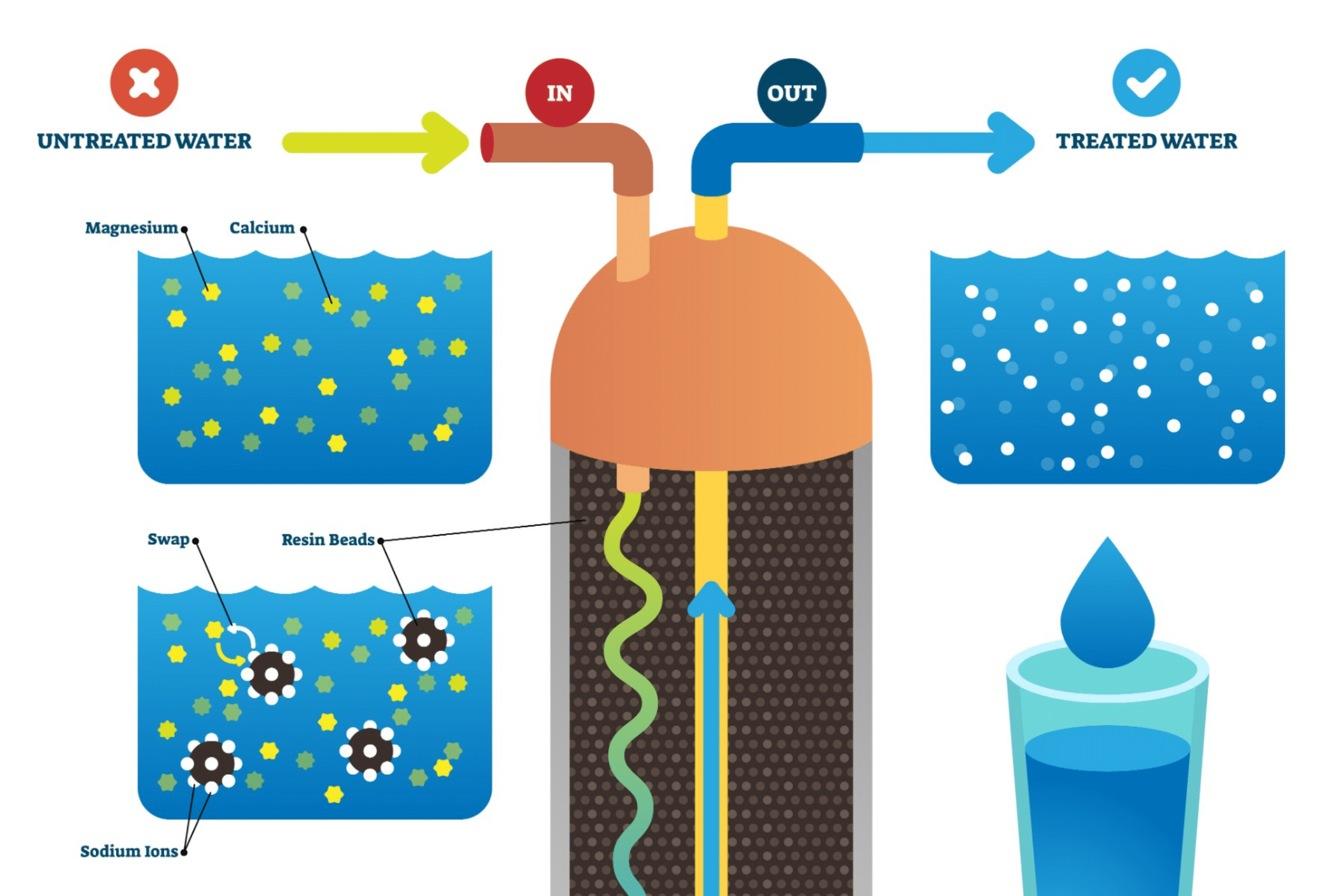
Enter the water softener: a humble device that’s basically the chill bouncer for your home’s plumbing. It swaps those hard minerals for softer ones—typically sodium—through a process called ion exchange. Think of it as a polite trade: your water gives up its rough edges in exchange for a smoother, more easy-going flow.
Must Read
So what does that actually mean for you? For starters, your skin and hair will notice the difference instantly. Soft water rinses away soap more completely, leaving your skin feeling less like a dry desert and more like a dewy morning. You might even find you need less lotion—and who doesn’t love saving a few bucks on moisturizer?
Your appliances will thank you, too. That coffee maker you love? With hard water, it slowly builds up scale inside—like a tiny, stubborn rock garden. A water softener stops that, prolonging the life of your dishwasher, washing machine, and even your water heater. It’s basically a retirement plan for your gadgets.
And let’s talk cleaning. Hard water leaves behind that white, crusty film on your shower doors and glassware—the kind that makes you feel like you’re living in a science experiment. Soft water rinses clean, so your dishes sparkle and your mirrors stay streak-free. It’s the low-effort win we all need.
The "Wow" Factor You Didn’t Expect
Here’s a fun little fact: the Romans were onto soft water in a weird way. They used lead pipes (yikes) that leached softness into the water, which actually made soap work better. We don’t recommend that approach, but it shows we’ve been chasing good water for millennia.
Another cultural gem? In Japan, many high-end onsen (hot springs) are prized for their soft water. People travel for miles to soak in it because it feels silky and soothing on the skin. You can get that vibe at home—minus the plane ticket—with a softener.
Practical tip: Check your water hardness with a simple test strip from a hardware store. It costs about ten bucks and gives you a solid yes/no on whether a softener is your new best friend. If your water is above 7 grains per gallon, you’ll definitely feel the upgrade.
 How Does a Water Softener Work? - Aquanology Water Conditioning
Soft Water in the Wild: Real Life, Real Easy
Imagine washing your hands and feeling no residue. That’s the small, quiet victory of softened water. Your soap lathers into a rich foam with less product, so you use less and save money. It’s like finding out your favorite jeans are on sale.
Another win: your laundry. Hard water can make fabrics feel stiff and gray over time. Soft water helps them stay bright and fluffy, like they just came from a boutique. Pair that with a good detergent, and your clothes will thank you by not fading after three washes.
And for the tea and coffee snobs out there: soft water extracts flavor better. It’s why baristas in specialty shops often use filtered or softened water for pour-overs. Your morning caffeine ritual just got a silent, tasty upgrade.
But Wait—Is Soft Water Perfect?
No, and here’s the honest truth. Soft water isn’t ideal for drinking if you’re on a low-sodium diet, because the softening process adds a tiny amount of sodium. The fix? Keep a separate tap for drinking water, or use a reverse-osmosis filter. It’s a small tweak for major comfort.
Also, some people miss the mineral taste of hard water. That’s fair—it’s a personal preference. But for the average home, the benefits of soft water—cleaner dishes, softer skin, happier appliances—usually outweigh the downsides.
Practical tip: If you’re renting, consider a portable water softener for your shower head. It’s small, affordable, and gives you soft water for your skin without a full-home installation. Your landlord will never know.
 How Does a Water Softener Work? (And What Do They Do) - Filtersmart
A Little Maintenance Goes a Long Way
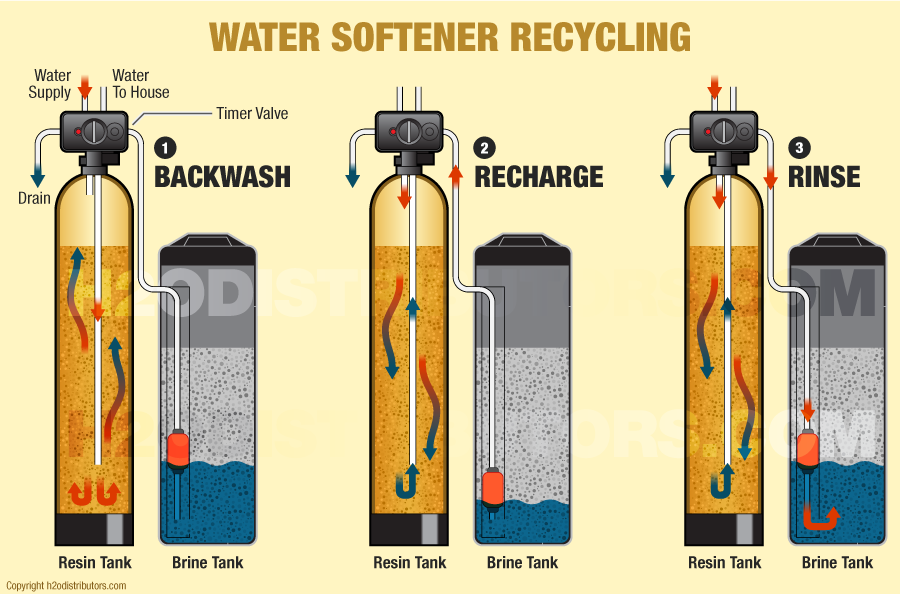
Water softeners aren’t set-it-and-forget-it. They need salt refills every few months, and the resin tank should be cleaned occasionally. Think of it like watering a plant—it gives back more than it takes. Most modern units even have a digital display to remind you.
Fun fact: in parts of the American Southwest—Arizona, Nevada, New Mexico—water softeners are almost as common as air conditioning. Hard water is so extreme there that a softener isn’t a luxury; it’s a survival tool for your pipes. A little perspective, right?
One more tip: buy a high-efficiency softener if you want to save salt and water. They use up to 30% less salt and regenerate only when needed. It’s the eco-friendly choice that also saves you hassle.
So here’s the reflection: we spend so much time optimizing our coffee, our skincare, our laundry routines—but we rarely think about the one ingredient that touches all of them. A water softener isn’t a flashy gadget. It’s a quiet foundation for a smoother day.
It’s the difference between a morning shower that feels like a chore and one that feels like a reset. Between dishes you have to scrub twice and glasses that sparkle on the first rinse. Between fighting your home and letting it just work.
In a world that demands a lot from us, sometimes the smallest shift—like softening the water—makes everything else flow a little easier. And isn’t that what we’re all after? A life where the basics don’t have to be hard.
