What Is Tds Water Filter

So, you’ve stumbled upon the term TDS water filter, and it sounds like something a scientist would name their pet robot. But really, it’s all about the stuff floating in your...
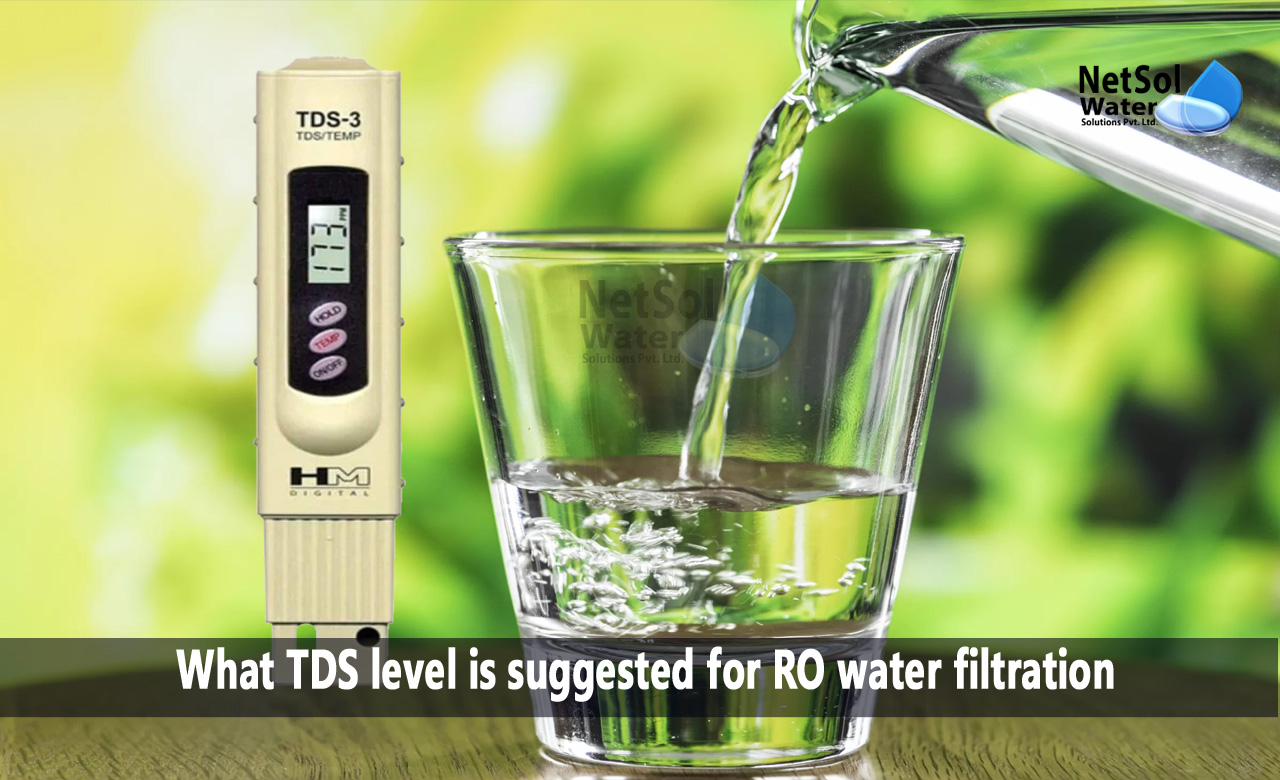
So, you’ve stumbled upon the term TDS water filter, and it sounds like something a scientist would name their pet robot. But really, it’s all about the stuff floating in your glass of water that you can’t see. Think of TDS as the party crashers of your H2O: minerals, salts, and the occasional trace of something weird from the pipes.
Let’s get real for a second. Have you ever filled a water bottle, took a sip, and thought, “Hmm, this tastes like a dusty sidewalk after a rainstorm”? That’s Total Dissolved Solids (TDS) doing its little dance on your tongue. It’s not dirt—it’s dissolved stuff, like calcium, magnesium, or even a tiny bit of copper from old plumbing.
Your water has a secret identity
Every glass of tap water is a chemical cocktail, and the TDS level tells you how strong the mix is. A high TDS reading means you’re basically drinking mineral water—but the kind that leaves a chalky film on your kettle. A low TDS? That’s like drinking a blank canvas; some people call it “flat,” but others love it for coffee.
Must Read
I remember visiting a friend’s house, and their water tasted like a swimming pool had a baby with a rock. That’s high TDS for you! A TDS water filter doesn’t magically make water “pure” in the lab-coat sense—it just reduces the guest list of dissolved particles to a more palatable crew.
How does this magic box work?
Imagine a bouncer at a fancy club. That reverse osmosis membrane inside a TDS filter is the strictest bouncer ever—it kicks out almost everything except pure water molecules. Some filters use activated carbon too, which is like a sponge with a PhD in grabbing bad tastes.
But here’s the funny part: not all TDS is bad. A little calcium is actually good for your bones, but too much makes your coffee taste like a mineral bath. The filter doesn’t delete everything—it just balances the chaos so your water is drinkable, not just “technically safe.”
 TDS Water Filter Systems 99 Percent Salt Rejection OEM Specs - Driplife
When you absolutely need one
You’ll know it’s time to shop for a TDS filter when your ice cubes look like cloudy ghosts or your tea forms a weird scummy film. That’s the TDS level screaming, “Help me!” Another dead giveaway? Your water leaves white spots on your glasses—like a lake monster sneezed on them.
I once bought a cheap TDS meter (yes, that’s a real thing) and tested my tap water. The number was 450 ppm—which is basically the water equivalent of eating a spoonful of chalk. After installing a TDS filter, it dropped to 30 ppm. Suddenly, my morning coffee tasted like heaven in a mug instead of disappointment.
But wait—do you actually need one?
Here’s the honest truth: if your water tastes fine and your kettle is clean, you might be fine without one. TDS filters are for people who notice the difference—like sniffing out a weird smell in your car’s AC. It’s a luxury, not a lifeline, unless you live somewhere with hard water that destroys your appliances.
Think of it this way: plain tap water is like a unseasoned chicken breast—some people love it, but others crave a little tang. A TDS filter tweaks the flavor profile, not the safety. Your local water authority already makes sure it won’t kill you; this filter just makes it taste better.
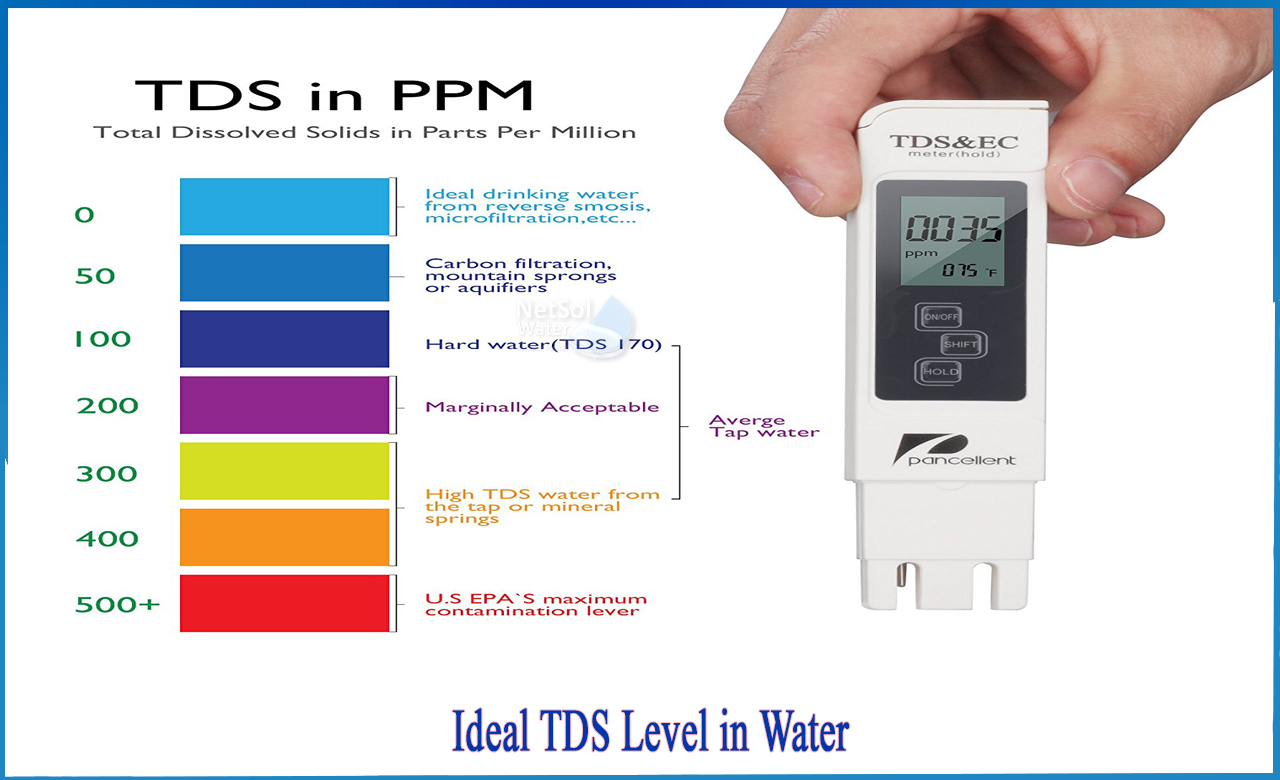 Tds Water Meter Chart – What Is A Tds Meter – FPYK
The “buy now” vs. “skip it” moment
If you’re a person who buys bottled water because tap tastes “off,” a TDS filter is your financial lifesaver. It’ll save you hundreds of dollars a year and keep you from carrying heavy plastic jugs from the store. But if you already guzzle tap water without a second thought, don’t fix what isn’t broken.
Just remember: a TDS filter is like a water dresser—it picks out the accessories (minerals) and says, “You don’t need that much glitter today.” It won’t turn your water into fancy designer stuff, but it’ll make your daily sips way more pleasant.
One last funny thing
My neighbor bought a TDS filter because she thought it would fix her acid reflux—it didn’t, but her plants started thriving. Turns out, plants love low-TDS water as much as we do. So if all else fails, at least your basil will thank you for the upgrade.
In the end, a TDS water filter is just a tool to make water feel like you. Some like their water naked, others like it with a little sparkle. You do you—just test your water first, or you might buy a bouncer for a party that doesn’t exist. Cheers!
