What Is Inside Tap Water

You turn on the tap, fill your glass, and drink. Have you ever stopped to wonder what’s really swimming in that crystal-clear stream? It’s not just H2O—it’s a complex cocktail...
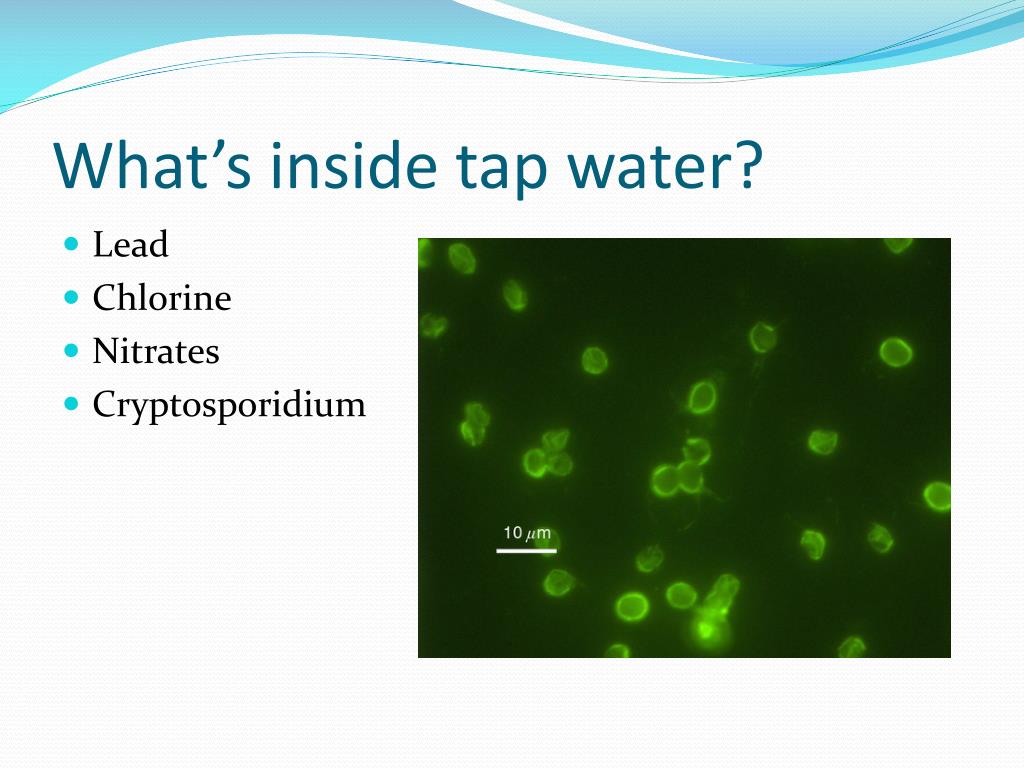
You turn on the tap, fill your glass, and drink. Have you ever stopped to wonder what’s really swimming in that crystal-clear stream? It’s not just H2O—it’s a complex cocktail of history, science, and a few uninvited guests.
The Municipal Mix: What You’re Actually Drinking
Your water starts its journey from a river, lake, or underground aquifer. By the time it reaches your faucet, it’s been filtered, disinfected, and fortified—a modern miracle of public health. The star player is chlorine, added to kill bacteria and viruses, and it’s why your morning shower sometimes smells like a public pool.
Then there’s fluoride, a tiny additive that has sparked more dinner-table debates than politics. It’s there to strengthen your teeth, a practice started in the 1940s that reduced cavities by up to 25% in communities. Love it or hate it, your tap water is a unintentional dentist.
Must Read
But don’t forget the minerals: calcium, magnesium, and potassium sneak in from natural rock. These give water its taste—hard water (high in calcium) tastes “mineral-rich,” while soft water can feel flat. It’s why New Yorkers swear their bagels taste better than anywhere else.
The Uninvited Guests: What Slips Through
Here’s where things get a little messy. Old pipes—especially lead ones from pre-1986 homes—can leach lead into your water. It’s rare but real, so if your house was built before the ’80s, run the tap for 30 seconds before drinking to flush it out.
Microplastics are the new party crashers. Studies show that up to 80% of tap water samples contain tiny plastic fibers from clothing, packaging, and dust. Don’t panic—filtering with a simple carbon pitcher can catch most of them.
And yes, there’s pharmaceutical residue—trace amounts of birth control, antidepressants, and caffeine that survive treatment plants. The levels are microscopic, but it’s a sobering reminder: what goes down your drain eventually comes back around.
The Cultural Obsession: Bottled vs. Tap
We’ve been conditioned to think bottled water is “purer,” but that’s mostly marketing magic. In blind taste tests, people often can’t tell the difference between tap and $4-a-gallon imported brands. In fact, 25% of bottled water is just repackaged tap water—looking at you, Aquafina and Dasani.
 What Is Inside Tap Water? Contaminants Explained – Piurify
Cities like Paris, Tokyo, and Vienna are famous for their tap water quality. Paris even has public fountains offering sparkling water for free. Meanwhile, Flint, Michigan’s water crisis became a symbol of infrastructure neglect, proving that clean water is a privilege, not a given.
So next time you reach for a plastic bottle, remember: your tap is a mini ecosystem, delivering a regulated, tested product every day. It’s the unsung hero of modern life.
Practical Tips: How to Enjoy Your Tap Water More
Let it breathe. Pour a glass and let it sit for a minute before drinking—this allows chlorine to evaporate, improving the taste. Add a slice of lemon, cucumber, or mint for a spa-like twist.
Invest in a simple filter. A $20 Brita pitcher can remove lead, chlorine, and microplastics, making your water taste mountain-spring fresh. Don’t forget to clean your filter regularly—a dirty one becomes a bacteria hotel.
Test your water for free by calling your local utility. They’re required by law to give you an annual “Consumer Confidence Report” with exact levels of contaminants. It’s like a report card for your tap—nerdy, but empowering.
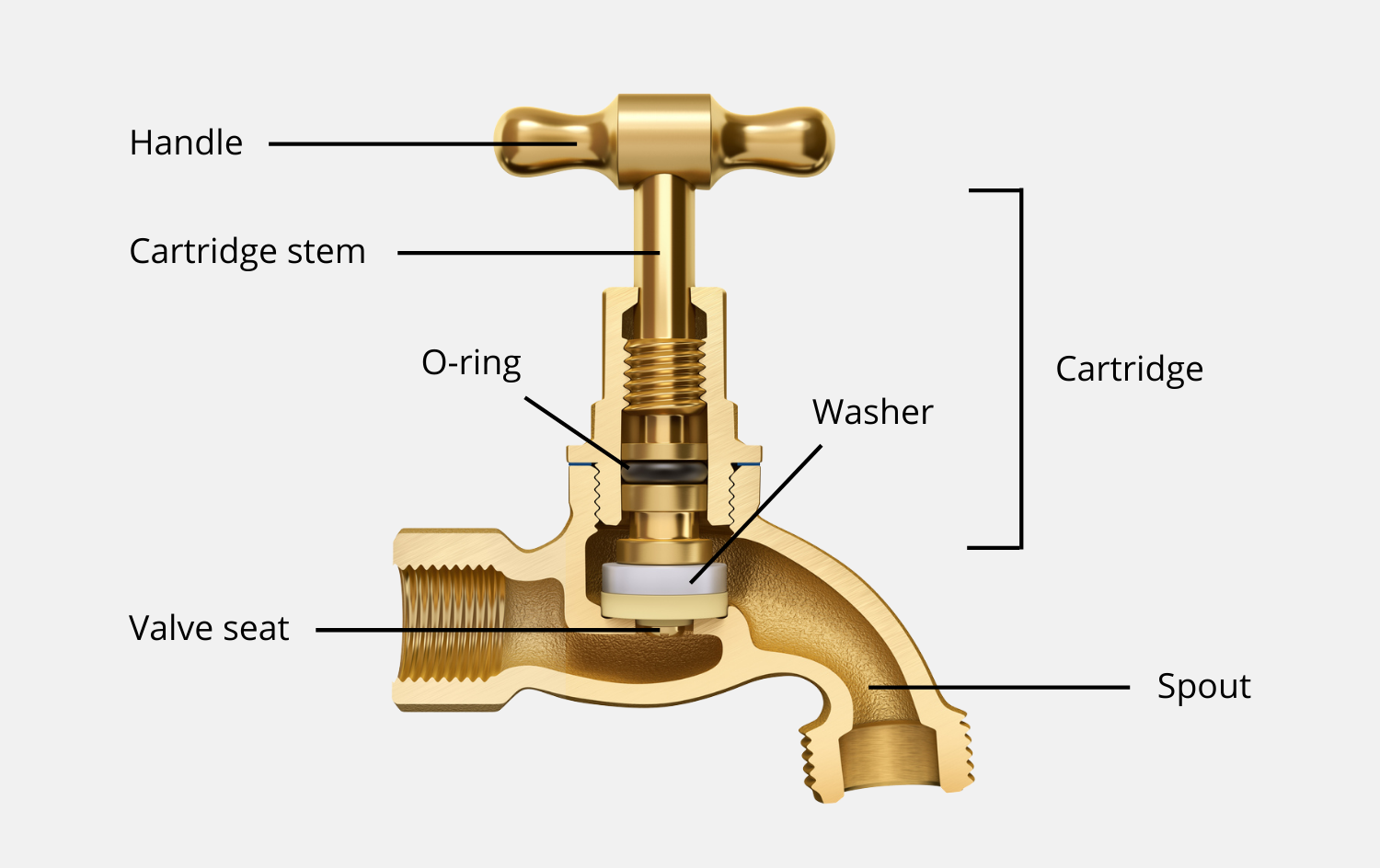 What Are The Parts Of A Tap - Infoupdate.org
Fun Little Facts to Impress at Dinner Parties
The word “water” comes from the Old English wæter, which is related to the Ukrainian word voda—so yes, you and a Ukrainian are sharing a linguistic sip. Ancient Romans were obsessed with water quality, building aqueducts that moved 200 million gallons a day—all without modern pumps.
Your body is about 60% water, which means you’re basically a walking glass of tap water with a soul. The record for the longest time without water is 18 days—but don’t try that. Also, water has a perfect pH of 7, making it neutral enough to mix with both coffee and existential dread.
Finally, astronauts on the International Space Station drink recycled urine—processed through a system that makes it cleaner than most tap water. So next time you complain about city water, remember: it could be much, much more personal.
Reflection: The Quiet Constant
There’s something grounding about tap water. It’s a shared resource, flowing through every home, restaurant, and fire hydrant in your city. It connects you to your neighbors, to the rain that fell last week, and to the ancient rivers that shaped the landscape.
In a world of filtered everything, tap water is humble. It asks for nothing but patience—and maybe a little appreciation. So tonight, when you fill a glass before bed, take a second to look at it. It’s not just water. It’s a quiet, everyday miracle, delivered with zero fanfare, right to your palm.
Drink up. Your body—and your city—are in that glass.
