What Is The Tds In Water

You know that feeling when you fill a glass from the tap, take a sip, and think, "Huh, this water tastes... thick?" Or maybe you’ve noticed that white, crusty stuff on your co...
You know that feeling when you fill a glass from the tap, take a sip, and think, "Huh, this water tastes... thick?" Or maybe you’ve noticed that white, crusty stuff on your coffee pot that looks like a tiny, chalky desert? Meet your new (uninvited) friend: TDS, which stands for Total Dissolved Solids.
It’s not a fancy science term reserved for lab coats. It’s just a fancy way of saying everything that’s dissolved in your water besides the water itself. Think of your glass of water like a party, and the water is the dance floor.
The TDS are all the other guests: calcium and magnesium (the friendly bouncers), sodium (the chatty one), tiny bits of salt, and even some minerals you’d find in a multivitamin. When the guest list gets too long, your water feels heavy, tastes funny, and might even leave little sparkles on your dishes.
Must Read
The "Hard Water" Bad Guy You Already Know
Ever scrubbed a ring of white gunk out of your bathtub, or noticed your hair feels like straw after a shower? That’s high TDS water in action. We call it hard water, but really, it’s just water that’s packed with calcium and magnesium.
This is the same reason your faucets get those crusty white deposits that look like a miniature coral reef. And if you’ve ever tried to make a perfect sudsy lather from a bar of soap in hard water, you know it’s like trying to start a fire with wet matches—frustrating and useless.
But not all TDS is bad. In fact, some TDS is what gives spring water its delicious, crisp taste. Low TDS water (like distilled) tastes flat and boring—like drinking a blank stare. It’s the mineral guests that make the water feel alive.
How Do You Know If Your Water Is Over-Party-ing?
You don’t need a chemistry degree. You can buy a little TDS meter (basically a thermometer-like wand) for under ten bucks. But you can also just taste it. If your water has a metallic, salty, or bitter note, that’s high TDS gate-crashing your hydration.
 What Should Be The Tds Of Bathing Water
Another clue: if your ice cubes are cloudy instead of crystal clear. Those cloudy cubes are just tiny air bubbles trapped by minerals—the same minerals that make your ice taste like a recycled gym sock if the TDS is too high. My grandma used to say, "If the water leaves a ring around the tub, it’s too busy to be good." She wasn’t wrong.
And let’s be real: we’ve all done the nervous laugh when someone offers us a glass of water from a place with legendary bad water. You take a sip, your face scrunches up, and you say, "Wow, that’s... mineral-rich!" That’s TDS talking.
The Goldilocks Zone of Water
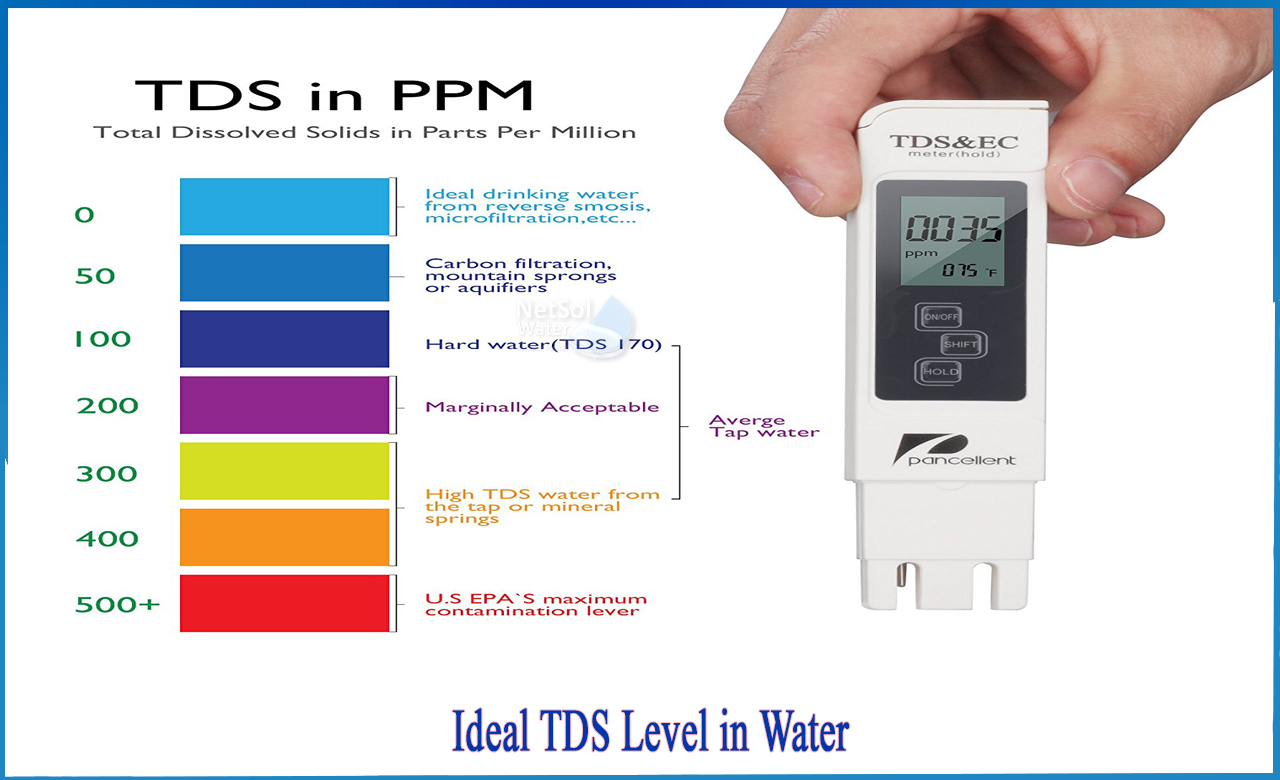
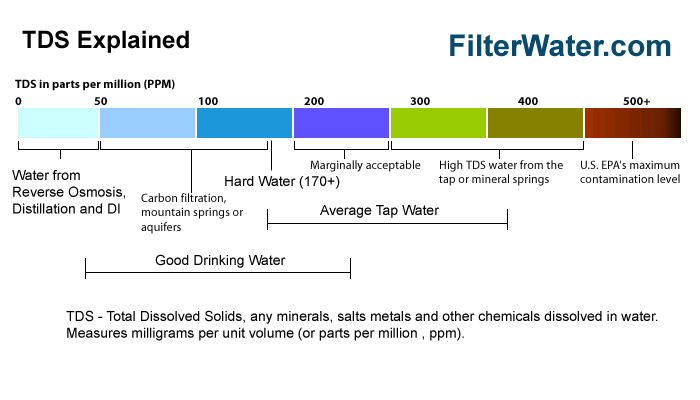
So what’s a good TDS number? For drinking water, the sweet spot is generally between 150 and 300 parts per million (ppm). Below 50 ppm, and you’re basically drinking nothing—like eating a flavorless cloud.
Above 500 ppm, and it starts to act like a bully: it tastes heavy, clogs your pipes, and makes your coffee machine cry. Above 1000 ppm? That’s not water anymore—that’s a mineral soup you wouldn’t wish on your worst enemy’s kettle.
Here’s the kicker: your body needs some of those minerals. But if your water has too much TDS, it can also contain unwanted stuff like lead, arsenic, or too much salt—especially if you get water from a well. That’s when filtering becomes your best friend.
 What Is TDS in Water and What Does it Indicate?
What Do You Do About It?
If your water tastes like a swimming pool or leaves scale on everything, get a reverse osmosis filter or a pitcher with a mineral-reducing cartridge. It’s like hiring a strict bouncer who only lets the good minerals stay.
But here’s a funny truth: we often overreact. One buddy of mine bought a fancy filter system because his water tasted "off." Turned out the TDS was perfectly fine—he just hadn’t rinsed his glass after making a kale smoothie. True story.
So before you panic, do a quick taste test. Or ask your local water company for their annual report. Most of the time, your water is just doing its job, being a little mineral-forward. It’s like that friend who talks too much but means well—annoying, but harmless.
In the end, TDS is just water's personality. Some water is shy and pure, some is bold and brassy. And you, my thirsty friend, get to decide who you invite for a drink. Just don’t forget to laugh when the bathtub ring shows up—it’s just the minerals having a little reunion.
Now go fill that glass. And if it tastes a little like a mountain stream or a rusty pipe, you’ll know exactly why. Cheers to good water—and knowing what’s swimming inside it.
