What Is In Potable Water

So, you turn on the tap, fill your glass, and down the hatch goes... what, exactly? Potable water sounds fancy, but it just means water safe enough to drink without you growin...
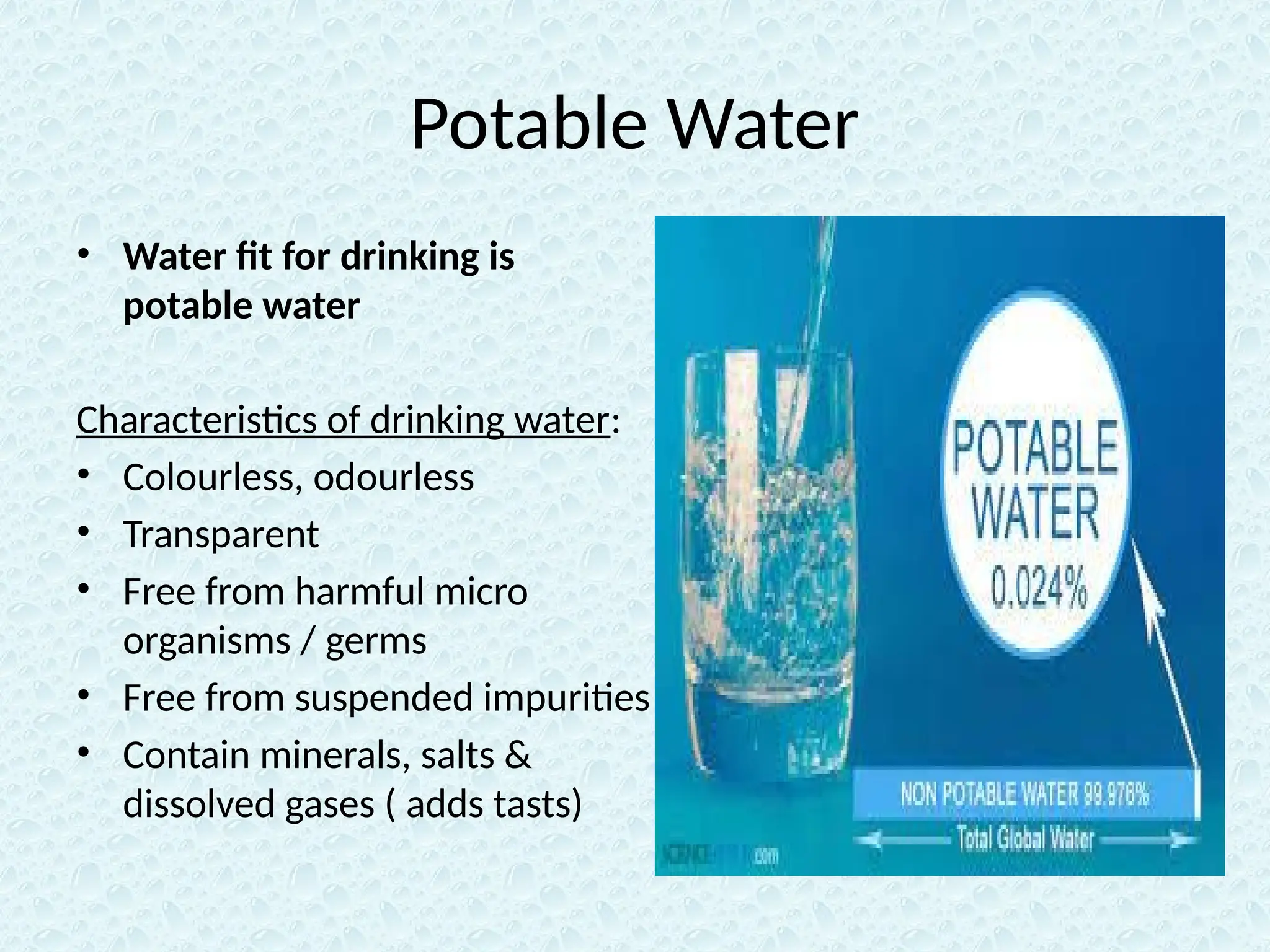
So, you turn on the tap, fill your glass, and down the hatch goes... what, exactly? Potable water sounds fancy, but it just means water safe enough to drink without you growing a third eye. We take it for granted, but that clear liquid is actually a carefully engineered cocktail.
Let’s talk about the main ingredient, the star of the show: H₂O. Two hydrogen atoms, one oxygen atom, doing a very stable little dance. That’s the core, the 99.9% of the party.
But what about the other 0.1%? That’s where it gets interesting. Your tap water isn’t just pure, lonely water molecules. It’s full of friends—mostly good ones, some accidental guests.
Must Read
The "Good Stuff" They Add on Purpose
First up: disinfectants. Chlorine or chloramine, usually. This is the stuff that kills bacteria and viruses before they can crash your kidney party. It’s your water’s bouncer.
That slight "pool water" smell? That’s the bouncer doing his job. Without him, you’d be drinking a soup of giardia and E. coli. No thanks, right?
Then you have fluoride. This one is like that friend who reminds you to brush your teeth. It’s added to help prevent cavities. Some people argue about it, but your dentist probably loves it.
The Minerals That Make It Taste Like Water
You also get calcium and magnesium. These come from the ground the water passed through. They make water taste "mineral-y" and not like soggy dust.
Too little of these, and water tastes flat—like the blank stare of distilled water. Too much, and you get "hard water" that leaves white crust on your kettle. It’s a balancing act.
There are also tiny amounts of potassium, sodium, and even silica (the same stuff in sand). Seriously, you’re drinking nature’s low-sodium, all-natural electrolyte drink.
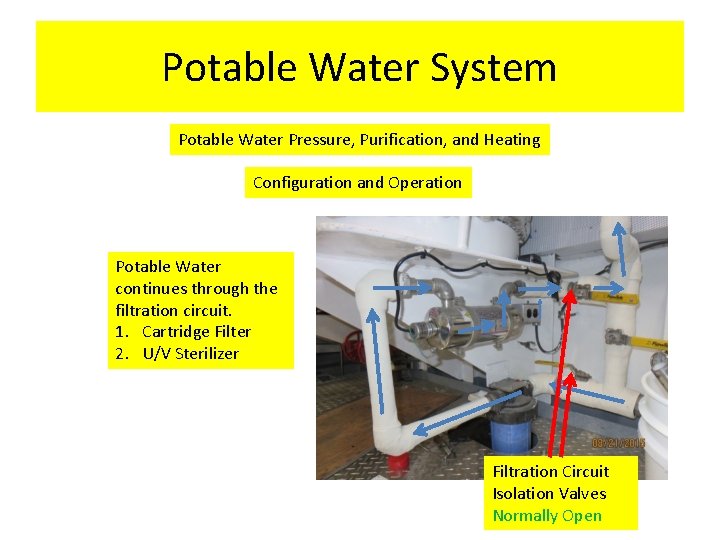 Potable Water System General Locations and Operations Potable
The Uninvited Guests (But We Control Them)
Here’s the slightly gross part. Potable water can have trace amounts of nitrates from fertilizers. And copper or lead if your pipes are old. That’s why we test the heck out of it.
Regulators set Maximum Contaminant Levels (MCLs). These are legal limits that say, "Okay, a little bit is fine; a lot will ruin your Tuesday." Your water plant is basically a very strict, very boring chemist.
They also filter out sediment, aluminum, and weird organic compounds that form when leaves rot in reservoirs. Think of it as a spa treatment for your future toilet water.
The Funky Stuff (That’s Still Safe)
Ever notice your water smells like earth or cucumber? That’s a harmless compound called geosmin, from soil bacteria. Your nose detects it at super low levels. Evolution made you weirdly good at smelling dirt water.
Or maybe you taste metal. That’s often dissolved iron or manganese. It stains sinks, but your stomach doesn’t care. It’s just iron, like in a cheap multivitamin.
And dissolved oxygen is in there, too. That’s why fresh water tastes "crisp." Stale water has less oxygen and tastes like a forgotten gym sock.
 PPT - CCED 2014 PowerPoint Pack PowerPoint Presentation, free download
What About "Purified" vs. "Spring"?
Tap water is usually surface water (from rivers) or groundwater (from wells). Both get processed. But bottled "purified water" is just tap water that’s been run through extra filters. Marketing genius, huh?
"Spring water" comes from an actual underground source and is barely treated. It’s basically the same stuff, just with a prettier label and a 50x markup.
Honestly, your tap water is more regulated than bottled water. The EPA is stricter than the FDA on this. So unless your pipes are made of lead, tap is a win.
So, What Are You Really Drinking?
In your glass right now: H₂O, plus a pinch of chlorine, a dash of calcium, a whisper of fluoride, and a ghost of old leaves. Oh, and maybe a few atoms of uranium. Yes, uranium is naturally in groundwater. Very, very tiny amounts. Don’t freak out.
Your body is 60% water, and it knows what it wants. That cocktail of minerals and gases is what makes water feel alive. Pure H₂O is actually toxic in large amounts—it messes up your electrolytes.
So next time you sip, give a little nod to the treatment plant workers. They’re mixing a batch of "potable" that keeps you from getting a wormy brain. Cheers to that weird, wonderful, mineral-loaded stuff we call water.
