How To Purify Well Water

So, you’ve got a well. Maybe it’s the source of your drinking water, or you just love the idea of that sweet, independent water supply. It’s a little like having your own priv...

So, you’ve got a well. Maybe it’s the source of your drinking water, or you just love the idea of that sweet, independent water supply. It’s a little like having your own private reservoir, right? But here’s the thing—what’s down there isn’t always as pure as a mountain spring.
Well water can pick up all sorts of hitchhikers: dirt, bacteria, minerals, and even funky tastes or smells. Ever taken a sip and thought, “Hmm, why does this taste like rusty pennies?” You’re not alone.
The Big Question: Should You Even Bother?
Absolutely, because untreated well water can be a roll of the dice. You might feel fine, but invisible contaminants like E. coli or nitrates love to crash the party. Think of it like this: would you drink from a random stream without checking what’s upstream?
Must Read
Probably not. So, purifying your well water isn’t just a chore—it’s a cool little science project that keeps you safe.
Step One: Test, Don’t Guess
First, get a water test kit from your local hardware store or health department. This is like taking a selfie of your water’s health—you need to see what you’re dealing with before you throw gadgets at it.
Look for bacteria, pH levels, iron, and hardness. Copper or lead showing up? That’s a red flag. Testing twice a year is smart, especially after heavy rains—because nature loves to stir things up.
Your Purification Toolkit: Simple & Cool
Here’s the fun part—choosing your method. It’s like picking a superpower for your water. Let’s break down the most common ones.
1. Boiling (The Old Faithful)
Boil your water for a full minute, and you’ll kill 99.9% of bacteria and viruses. It’s cheap, effective, and feels very “campfire chic.” But let’s be real—boiling a whole well’s worth of water every morning is like trying to heat your house with a candle. Not practical for daily use.
Use boiling as a backup, not your main squeeze.
 GCSE Chemistry Water Purification Guide | The Chemistry Blog
2. Chlorination or Bleach (The Clean Sweep)
Adding a tiny drop of unscented household bleach to your water is a classic move. It’s basically the same stuff they use in swimming pools, but way milder. The chlorine kills pathogens on contact.
But here’s the catch: you’ll taste it if you add too much. Imagine drinking a swimming pool, and not in a good way. Use it for shock treatments—like once a year to clean out your whole well system.
3. Filtration Systems (The Gadget Lover’s Dream)
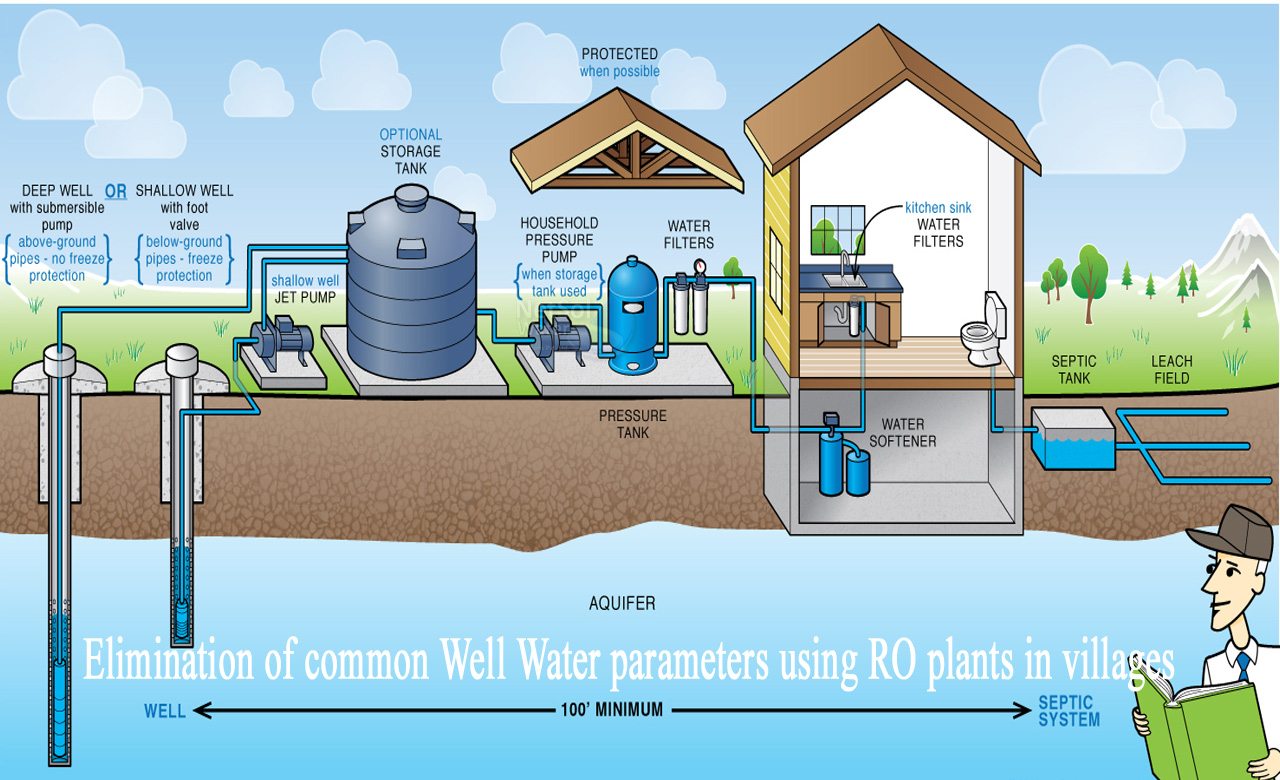
This is where things get seriously cool. You can install a sediment filter to catch sand and grit—like a strainer for your pasta water, but fancier. Then add a carbon filter to zap those weird tastes and smells.
Want to go full nerd? Try a reverse osmosis system. It pushes water through a membrane so fine that even tiny minerals and heavy metals bounce off. It’s like giving your water a VIP pass through a velvet rope.
4. UV Light (The Sci-Fi Option)
This one makes you feel like a wizard. A UV purifier zaps water with ultraviolet light, shredding the DNA of bacteria and viruses. No chemicals, no weird aftertaste—just pure, silent disinfection.
It’s almost poetic: a beam of light makes your water safe. The only downside? You need clear water first (so pair it with a sediment filter), and it doesn’t remove minerals.
 How to Purify Well Water - Edition Time
5. Distillation (The Kitchen Lab)
Distillation boils water, catches the steam, and condenses it back into pure liquid. It’s how clouds make rain, but in a little machine on your counter. Everything gets left behind—bacteria, heavy metals, even salt.
It’s slow and uses energy, but for a small amount of ultra-pure water? It’s like having a personal cloud factory.
What About Iron or Hard Water?
If your water leaves orange stains on the sink or makes your soap feel like sandpaper, you’ve got hard water or iron. A simple water softener (using salt) can swap out those pesky calcium and magnesium ions.
For iron, a special oxidizing filter turns the dissolved iron into solid rust particles that get trapped. It’s like convincing iron to take a nap in a filter bed.
Keeping It Chill & Safe
Here’s the secret: you don’t need to do all of this at once. Start with a test, pick your biggest enemy (bacteria, taste, minerals), and attack that first. Think of your well water like a friendship—it takes a little effort to make it great.
And hey, once you’ve got a system running, you’ll feel like a water whisperer. You’ll pour a glass, take a sip, and think, “I made this safe with my own two hands and a little UV magic.” That’s pretty cool, right?
So go ahead—test, filter, and enjoy that fresh, clean well water. Your inner science nerd will thank you.
