How To Make Water Acidic

We get it—alkaline water has had its moment. It’s been the wellness world’s golden child, promising balance and hydration that tastes like it was blessed by a mountain stream....

We get it—alkaline water has had its moment. It’s been the wellness world’s golden child, promising balance and hydration that tastes like it was blessed by a mountain stream. But let’s be honest: sometimes you don’t want your water to be a wellness guru. Sometimes, you want it to be a little edgy—a bit tart, a little low in pH, and perfectly happy to play with your sourdough starter or your morning coffee.
Making water acidic isn’t just a chemistry experiment for bored lab coats. It’s a secret weapon in the kitchen, a hack for gardeners, and a surprising trick for your skin. The process is simpler than you’d think, and it doesn’t require a PhD or a special machine. You just need a few common ingredients and a willingness to let your water get a little sour.
First, a quick reality check: pure water has a neutral pH of 7. To make it acidic, we need to lower that number below 7. The easiest and most delicious way is to add a splash of lemon juice or lime juice. A single squeeze can drop your water’s pH to around 3 or 4. Plus, you get the bonus of vitamin C and a flavor that screams “this is a cocktail, but I’m being responsible.”
Must Read
If citrus isn’t your vibe, try apple cider vinegar. It’s the punk rock of the pantry—unfiltered, a little funky, and incredibly effective. Just two tablespoons in an eight-ounce glass of water will lower the pH to about 4.5. It’s the same stuff your grandmother used to preserve pickles and cure hiccups.
For the truly adventurous, there’s citric acid. You can buy it in powder form at any grocery store or online. A tiny pinch—less than a quarter teaspoon—per glass creates a sharp, sour water that’s perfect for making homemade sodas or for balancing the funk in a kombucha brew. It’s chemistry you can lick.
Let’s talk culture for a second. In Japan, “Su no Mizu” (vinegar water) is a classic morning drink, believed to boost metabolism and energy. Meanwhile, in Mexico, agua de limón is a street-vendor staple—not sweetened, just sharp and cold. You’re not making water acidic; you’re joining a global tradition of people who like their thirst quenched with a side of attitude.
Now, why would you bother? Practical tip number one: gardening. Acidic water is a game-changer for acid-loving plants like blueberries, azaleas, and hydrangeas. If you want blue hydrangeas (not pink), water them with a mixture of one tablespoon of white vinegar per gallon of water. It’s like giving your garden a tiny, chemical pep talk.
 A Level Chemistry Revision: Physical Chemistry - Acids And Bases - All
Number two: coffee and tea. Hard, alkaline water can make your morning brew taste muddy. Using slightly acidic water (around pH 6) helps extract the bright, fruity notes from your beans or leaves. Baristas often add a pinch of salt or a drop of lemon to their brewing water for precisely this reason. It’s a cheat code for a perfect cup.
Number three: homemade electrolyte drinks. Instead of buying expensive sports drinks, make your own acidic water. Mix water with a squeeze of lemon, a pinch of sea salt, and a tiny bit of honey. This creates a drink that’s close to the pH of your stomach and helps your body absorb fluids faster. It’s science that tastes slightly like regret after a long run, but in a good way.
There’s a fun fact that will impress nobody at a party: the most acidic water in the natural world comes from some volcanic lakes, which can have a pH close to 0. That’s almost as acidic as battery acid. Fortunately, you’re not trying to achieve that. Stick to pH 3 to 5, and you’ll be fine. Your teeth will thank you.
A quick safety note: don’t go wild. Drinking extremely acidic water (below pH 3) regularly can erode tooth enamel and upset your stomach. This isn’t a challenge to see who can drink the sourest liquid. It’s a subtle art. Think of it like adding hot sauce—you want a kick, not a fire alarm.
 Lesson 6.10: Carbon Dioxide Can Make a Solution Acidic - American
One more practical tip: test your water. pH test strips are cheap and available online or at any pet store (since fish are picky about their water). You can also buy a digital pH meter if you want to impress your friends with your kitchen laboratory. But honestly, your taste buds are a good enough guide. If it tastes pleasantly tart, you’re there.
For the slow-and-steady crowd, you can also use alum powder (often sold for pickling). Just a quarter teaspoon per gallon will lower the pH gradually. This is perfect for gardeners who want to water their plants over a week and not shock them. Plants are sensitive souls; they don’t like sudden changes in their pH either.
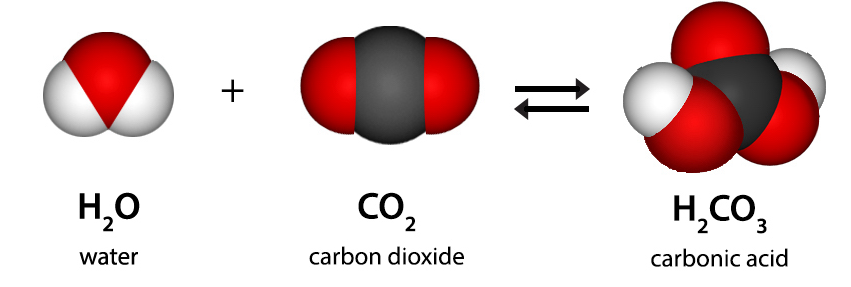
If you’re feeling fancy, consider carbonated water. The carbonation process adds carbonic acid, which naturally makes water more acidic (around pH 4-5). That’s why sparkling water has that clean, sharp bite. It’s already acidic, right out of the can. You didn’t even know you were doing it.
Let’s wrap this up with a reflection. Life is full of extremes—the perfectly balanced, the aggressively alkaline, the sour and the sweet. Most of us spend our days trying to stay neutral, not rocking the boat. But there’s something beautiful about giving yourself permission to be a little sharp now and then. Making your water acidic is a small rebellion. It’s a reminder that you don’t have to be palatable to everyone. Sometimes, the most interesting conversations—and the most interesting drinks—start with a little bite.
So go ahead. Squeeze that lemon. Pour that vinegar. Add a pinch of citric powder to your morning glass. Your water doesn’t have to be boring. And neither do you.
