How To Fit A Water Meter

There’s a quiet satisfaction in knowing exactly how much water you’re using, and fitting your own meter is the first step. It’s less about becoming a plumber and more about ta...

There’s a quiet satisfaction in knowing exactly how much water you’re using, and fitting your own meter is the first step. It’s less about becoming a plumber and more about taking control of a hidden part of your home’s heartbeat. Think of it as a wellness check for your pipes—a little DIY that pays dividends in awareness and lower bills.
Why Bother? The Case for the Water Meter
Most people treat their water bill like a surprise party they didn’t want. A meter turns that guesswork into a clear, monthly spreadsheet of your habits.
In many cities, fitting a meter can actually save you money if your household uses less water than the flat rate assumes. Plus, it’s the ultimate tool for spotting a sneaky leak before it becomes a soggy catastrophe.
Must Read
Fun fact: The first water meter was patented in 1857 by an American inventor named Henry R. Worthington. He basically invented the smart home device of the Victorian era.
What You’ll Need: A Toolkit for the Thinker
You don’t need a truckload of tools, just a few reliable friends. Grab a pipe wrench, some Teflon tape, a bucket, and a clean rag.
Also pick up two brass compression fittings and a shut-off valve—these are the unsung heroes of a leak-free installation. And yes, you’ll need the actual meter itself, usually a simple positive displacement model from your hardware store.
Pro tip: Buy a meter with a detachable face so you can read it from a distance. It’s like having a Fitbit for your water, minus the screen addiction.
Step 1: Find Your Main Line (The Big Reveal)
Your water main is the artery of your home—usually a copper or PVC pipe near the street or your basement wall. Look for a clean, straight section at least a foot long where nothing else branches off.
Turn off the main house valve first. This is non-negotiable. It’s like hitting the pause button before a movie—you don’t want the credits to be a flood scene.
Cultural reference: This moment echoes the opening of “The Graduate”—you’re floating in your own metaphorical pool, deciding the direction of your flow.
 How To Apply For A Water Meter » Spiteleader
Step 2: Cut and Prepare (Snip, Don’t Panic)
Use a pipe cutter to make a clean cut where the meter will sit. A ragged cut is like a bad haircut—it never seals well.
Deburr the inside of the pipe with a file to remove any sharp edges. Then wrap three layers of Teflon tape clockwise around the threads of each fitting. It’s a tiny ritual, but it’s the difference between a steady drip and a dry closet.
Quick tip: If you’re working with copper, heat the fitting slightly with a hair dryer before installing. It expands just enough to slide on easier—like loosening a stuck ring.
Step 3: Install the Meter (The Magic Moment)
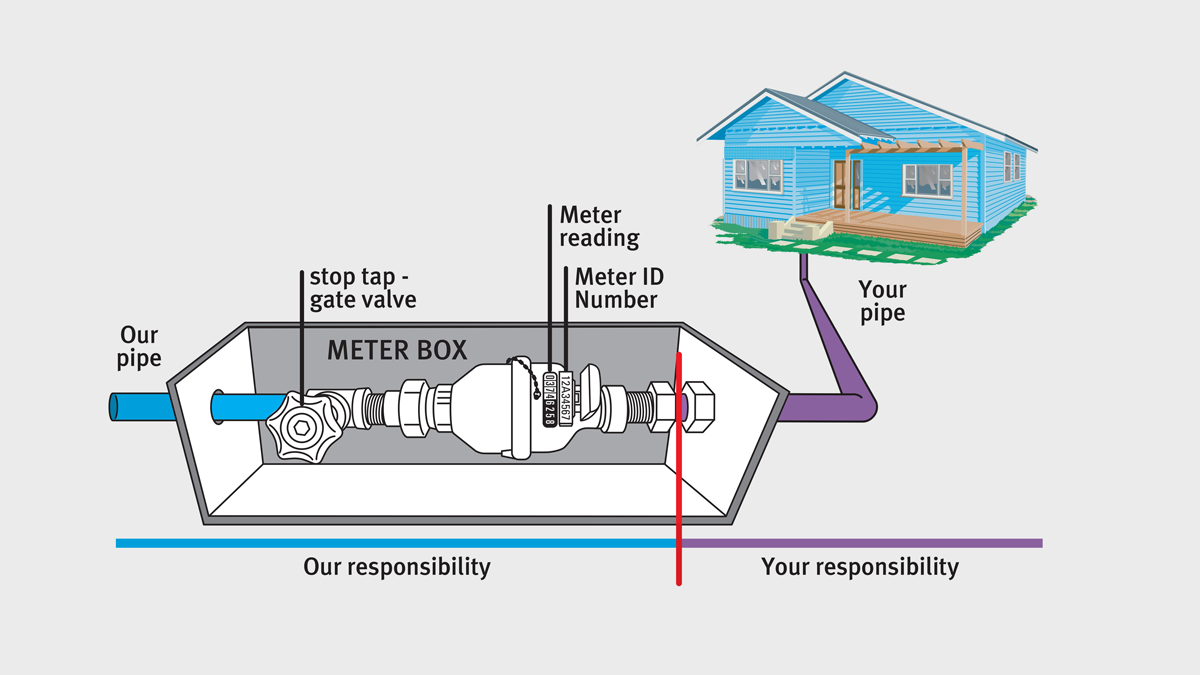
Attach the first compression fitting to the pipe upstream (the side that brings water from the street). Hand-tighten it, then give it a firm quarter-turn with the wrench—no more, or you’ll crack the brass.
Slide the meter into the fitting, ensuring the arrow on the meter body points toward your house. This is crucial: water flows in one direction, and your meter is a polite guide.
Attach the second fitting downstream, tighten it, and then install the shut-off valve just after the meter. Now you have a control panel for your whole home. Fun fact: The first meters used a simple spinning disk to measure flow. Yours is basically a high-tech pinwheel.
Step 4: Test for Leaks (The Moment of Truth)
Slowly turn the main valve back on. Hold your breath. Listen for a hiss—that’s the sound of failure.
 How To Apply For A Water Meter | Detroit Chinatown
Dab a little soapy water on each joint. If it bubbles, you have a leak; tighten the fitting slightly or rewrap the tape. No bubbles? You’re golden. Pour yourself a glass of that now-measured water.
Pro tip: Run a small test by reading the meter, using a gallon of water, and checking the dial. If it reads exactly one gallon, you’re a precision artist. If not, you might have an air pocket—just run the tap for a minute.
Practical Tips for Daily Grace
Write down the meter reading once a week at the same time. It turns a chore into a casual ritual, like weighing yourself on a Monday.
If you notice a sudden jump in usage, check your toilets for silent leaks. Drop a food dye tablet in the tank—if the bowl turns pink, you’ve found a quiet villain.
Cultural nod: Think of your meter like the Family Stone’s “Thank You (Falettinme Be Mice Elf Agin)”—it’s a groove that lets you know exactly where you stand.
A Final Reflection: The Poetry of Precision
Fitting a water meter isn’t just a plumbing job; it’s a quiet act of mindful living. You’re choosing to engage with a resource that most people take for granted, turning an invisible flow into something you can see and value.
Every time you glance at that spinning dial, you’re reminded that small, consistent actions—a shorter shower, a fixed drip—compound into real change. That’s the kind of awareness that makes your home feel less like a machine and more like a partner.
So go ahead, screw in that meter. You’re not just measuring water; you’re measuring the rhythm of your own life, one gallon at a time.
