What Does The Filter Do

Let’s talk about the filter. Not the fancy coffee one or the Instagram face-tuner. I mean the filter in your brain, your phone, your camera, and even your socks. Yes, socks ha...

Let’s talk about the filter. Not the fancy coffee one or the Instagram face-tuner. I mean the filter in your brain, your phone, your camera, and even your socks. Yes, socks have filters too. Okay, maybe not socks, but stay with me.
Every day, you are swimming in a sea of information. Sound waves. Light particles. Smells from the guy who microwaved fish. You’d go bonkers if you processed it all. That’s where the filter swoops in like a superhero with selective hearing.
Your brain’s filter is the reticular activating system. Fancy name, right? It decides what you notice. Ever bought a red car and suddenly see red cars everywhere? That’s your filter saying, “Hey, pay attention to these shiny red monsters!” It’s not magic. It’s biology.
Must Read
Your Phone Is a Filter Factory
Your smartphone is basically a filter machine. The camera app has filters that turn your face into a glowing alien or a vintage film star. But the real filter is the algorithm. It decides what you see on TikTok, Instagram, and YouTube. It’s like a creepy butler who knows you love cat videos and hates politics. Creepy butler. Very efficient butler.
Here’s a quirky fact: Snapchat’s baby filter isn’t just cute. It literally reshapes your face to look like an infant. Your eyes get bigger, your forehead widens—because humans are hardwired to love baby faces. It’s evolutionary. You’re basically tricking your own brain into thinking you’re adorable. And it works every time.
But phone filters also lie. Ever used the “beauty” filter on a video call? It smooths your skin, brightens your eyes, and subtly shrinks your nose. You look like you slept ten hours and drank kale juice. It’s a digital mask. We all wear it. And we all know it’s fake. But we keep tapping that little magic wand icon anyway.
The Filter in Your Ears
Your ears have a filter too. It’s called the cocktail party effect. You can be in a room full of shouting people and still hear your own name whispered across the room. That’s your brain filtering out noise to focus on what matters. It’s like you have a personal mute button for everyone except the person with gossip about you. Sneaky. Wonderful.
 How Does Water Filtration Work?
Musicians use filters all the time. Ever hear a song on the radio and think, “Wow, that bass is thumping”? That’s a low-pass filter. It cuts out high frequencies so only the deep, rumbly stuff gets through. It’s why dance floors feel like earthquakes. Engineers call it “scooping the mids.” You call it “that drop.” Same thing. Just fancier words.
Water Filters: Less Exciting, But Vital
Let’s get practical. Your tap water goes through a bunch of filters before it reaches you. Sand filters, charcoal filters, and sometimes even UV light filters. They remove dirt, chlorine, and even tiny plastic bits. Gross stuff. Without filters, your morning coffee would taste like a swimming pool. And not the fun kind. The chlorine headache kind.
Here’s a fun one: Brita pitchers use activated carbon. That carbon is the same stuff used in gas masks. So yes, your water pitcher is basically a tiny gas mask for your tumbler. You are drinking through a military-grade filter. Feel badass yet? You should.
But wait—coffee filters do something wild. A paper filter traps the cafestol, a natural oil in coffee that raises your cholesterol. So if you use a French press (no paper filter), you get more flavor and more cholesterol. If you use drip coffee, you get cleaner taste and healthier arteries. The filter is literally saving your heart while you get caffeinated. Talk about a multitasker.
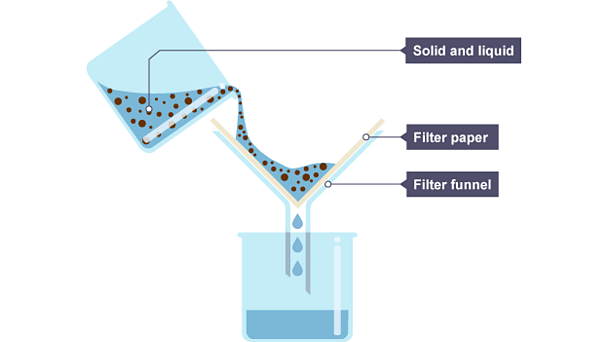 What is the process of filtration? - BBC Bitesize
The Filter That Saves Your Life: Air Filters
Your lungs have a filter built in—tiny hairs called cilia. They trap dust and germs before they hit your bloodstream. Smoke kills them temporarily. That’s why smokers cough more: their filters are broken. But after quitting, cilia grow back in a few months. Your body is a regenerative filter factory. Weirdly hopeful.
HEPA filters in air purifiers are mad efficient. They catch 99.97% of particles as small as 0.3 microns. That’s smaller than a virus. So during wildfire season or flu season, your little white box is basically a superhero sponge. It doesn’t just clean air; it removes pet dander, mold spores, and the smell of your roommate’s burnt toast. You owe it a thank-you note.
Why This All Matters (Even If It’s Silly)
Filters are everywhere. They shape your reality without you noticing. Your brain, your phone, your coffee pot—all quietly deciding what passes through and what gets blocked. You are a filter, too. You choose what to read, what to watch, and who to listen to. That’s power. And also a responsibility.
So next time you swipe that filter button on a selfie, think about it. You’re not just changing your cheekbones. You’re joining a long tradition of humans tweaking the world to make it prettier, cleaner, and more fun. It’s a little silly. It’s a little profound. And it’s definitely worth a laugh.
Now go filter something. Your water. Your feed. Your face. Just don’t filter your curiosity. That’s the one filter you should always leave open.
