What Ph Does Water Have

Let’s be honest: when was the last time you thought about water’s pH? Probably never, right? It’s one of those science things that sounds boring, but trust me—it’s actually a...
Let’s be honest: when was the last time you thought about water’s pH? Probably never, right? It’s one of those science things that sounds boring, but trust me—it’s actually a secret superpower hiding in your glass. And once you know a little about it, you’ll never look at a sip of water the same way again.
Why Should You Even Care?
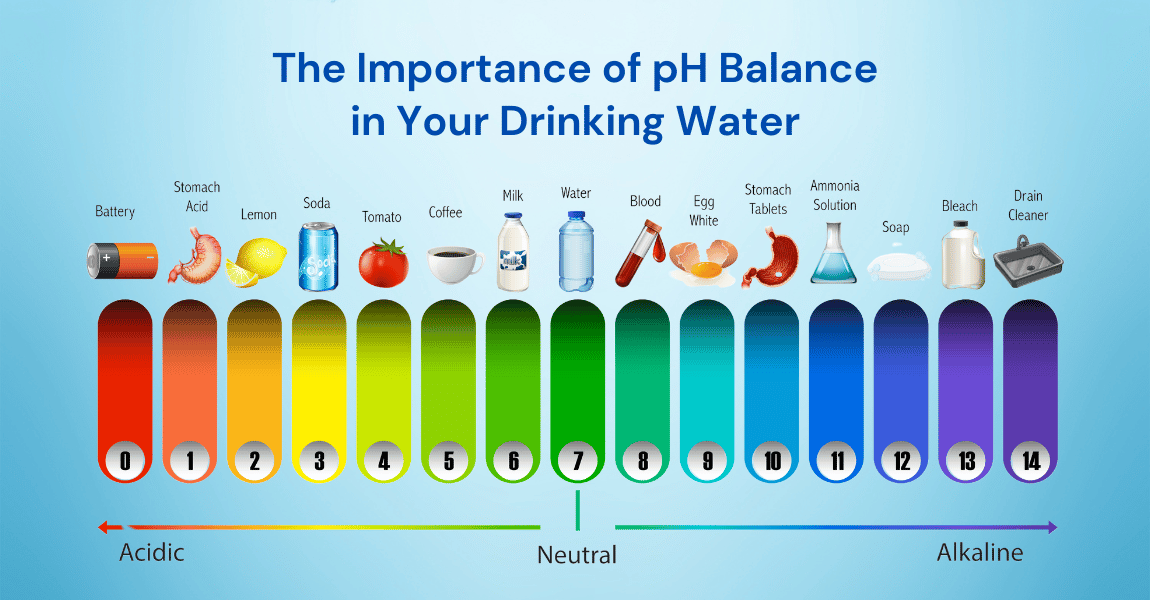
Think of pH as water’s personality. It tells you if your water is chill (neutral), a little too acidic (sour), or too basic (bitter). Pure water sits right in the sweet spot: a pH of 7. That’s the Goldilocks zone for almost everything alive.
But here’s the fun part: your own body fights hard to keep its pH around that perfect 7.4. So when you drink water that’s way out of balance, you’re making your body’s maintenance crew work overtime. Why not give them a break?
Must Read
The Silly, Surprising World of pH
You’ve tasted pH a hundred times without knowing it. Lemon juice? That sharp zing is a pH of about 2, super acidic. Baking soda in water? That’s a pH around 9, a little basic. Water that’s too acidic can taste metallic, while very basic water feels slippery on your tongue.
And get this: your aquarium fish are total pH snobs. Most tropical fish need a pH between 6.5 and 7.5, or they get stressed out and sulk. If goldfish could talk, they’d demand a pH test before they moved in. What a drama, right?
What pH Does Your Perfect Water Have?
Here’s the kicker: tap water varies wildly depending on where you live. Some places pump out water with a pH of 8.5, while others are near 6.5. That’s like getting a different flavor of water from every faucet in the country!
 Quick Guide to pH in Drinking Water – Tap Score
Spring water? It’s usually around 6.5 to 7.5, which is nature’s masterstroke. Distilled water is exactly 7.0, but it’s so nakedly neutral it actually tastes a bit flat. So what’s the best pH for drinking range? Most experts agree: between 6.5 and 8.5. That’s the happy zone.
How to Test Your Water and Become a pH Detective
You don’t need a lab coat. Buy a $10 pH test kit from a pet store or online, dip a strip in your glass, and watch the color change. Boom—you’re a citizen scientist! It’s like a magic trick you can do at breakfast.
Or try the red cabbage test (yes, really). Boil a few leaves, save the purple water, and add your tap water. If it turns pink, it’s acidic. Green? Basic. It’s ridiculous, fun, and makes you feel like a kitchen wizard.
 What is pH of Water?- Everything You Should Know About Water
The Fun Part: How pH Makes Life Sparkle
Now here’s the uplifting note. Knowing your water’s pH isn’t about being fancy—it’s about curiosity. It’s realizing that every drop of water has a hidden signature, a little chemical handshake waiting for you to notice it. That’s cool.
When you adjust your coffee’s brewing water to a slightly neutral pH, it tastes smoother. When you give your houseplants water that matches their preference, they perk up. You become a tiny, joyful guardian of balance in your own home.
Go Forth and Test
So next time you fill a glass, pause. Ask yourself: “What pH does this water have?” It’s a simple question that opens a door to a world of tiny surprises. Your body, your fish, your plants, and your taste buds will all high-five you.
And if you really want to inspire yourself, remember this: water’s pH is a reminder that even the most ordinary stuff can have extraordinary depth. You don’t have to be a scientist to get excited about it. You just have to be curious. So go on—dip a strip, watch the color change, and smile. The universe just winked at you through a glass of water.
