What Is In Decaf Coffee

Let’s be honest: ordering a decaf coffee feels a little bit like ordering a kale smoothie at a whiskey bar. You’re technically getting what you asked for, but something about...
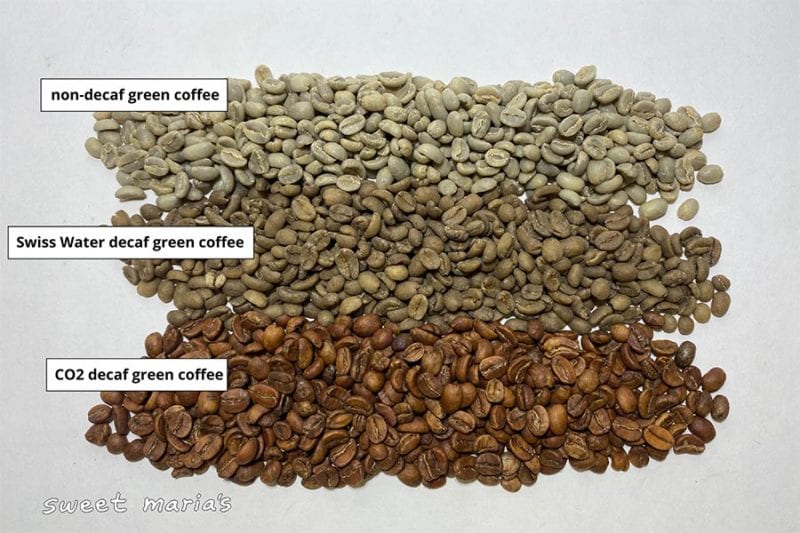
Let’s be honest: ordering a decaf coffee feels a little bit like ordering a kale smoothie at a whiskey bar. You’re technically getting what you asked for, but something about it feels… wrong. So, what exactly is lurking in that pale, innocent cup? Is it just coffee that went to charm school and lost its edge? Or is it something far weirder?
First, let’s kill the biggest myth: it’s not chemical soup.
Many people picture decaf being bathed in industrial solvents like something out of a science experiment gone wrong. The truth? Most decaf is processed using either water or a natural plant-based solvent called ethyl acetate. Ethyl acetate occurs naturally in fruit—yes, your banana is basically a decaf-processing plant. But here’s the kicker: a tiny amount of chemical residue, like methylene chloride, can remain in some methods. The FDA says it’s safe in tiny doses, but it’s still a little unsettling, like finding a hair in your soup from a perfectly nice chef.
However, the Swiss Water Process is the hero here. It uses only water, temperature, and osmosis to strip caffeine away. It’s so pure that the beans retain their flavor, and you can feel smug about your eco-conscious choices. Think of it as the spa day your coffee beans never knew they needed.
Must Read
But wait—if the caffeine is gone, what’s left? Just a ghost?
Not quite. Decaf coffee is still packed with antioxidants—the same ones that make regular coffee a borderline health drink. You get about 15% less of those magical compounds, but you’re still getting plenty of chlorogenic acid, which fights inflammation. It’s like a superhero who lost his cape but still has laser vision.
Also, decaf contains small amounts of vitamins and minerals: magnesium, potassium, and even a little niacin. Yes, decaf coffee is technically a multivitamin that tastes like burned toast. And it still counts toward your daily fluid intake, so hydrate with pride.
But what about the taste? Does it actually taste like coffee?
Here’s the brutal truth: a bad decaf tastes like someone whispered the word “coffee” into a cup of hot water. But a good decaf—from quality beans and a gentle process—can be nearly indistinguishable from the real thing. The secret? The roasting process. Darker roasts tend to mask the slight chemical flatness, while light roasts can taste like a cardboard challenge. So if your decaf tastes like a wet sock, it’s not you—it’s the bean’s tragic backstory.
![How Decaf Coffee is Made - Easy to Follow Guide [with Infographic]](https://homecoffeeexpert.com/wp-content/uploads/2022/05/Featured-How-Decaf-Coffee-is-Made.jpg) How Decaf Coffee is Made - Easy to Follow Guide [with Infographic]
How Decaf Coffee is Made - Easy to Follow Guide [with Infographic]
Also, decaf beans are often older stock from regular coffee production. They’re the C-team players of the bean world—not bad, just not the star quarterback. But when fresh and well-roasted, they can still hit a home run. Or at least a solid single.
And the biggest surprise? Decaf isn't caffeine-free.
That’s right: the FDA allows decaf to contain up to 97% less caffeine, but 3% of the original caffeine remains. For reference, an eight-ounce cup of regular coffee has around 95 mg of caffeine; decaf has about 2 to 5 mg. That’s still a tiny kick—enough to annoy a hummingbird but not enough to wake a sleepy sloth. So if you drink five cups of decaf in a row, you’ve basically had a baby-sized jolt. Congratulations, you’re an accidental caffeine consumer.
And here’s a fun fact: decaf was accidentally discovered in 1903 when a German coffee importer named Ludwig Roselius noticed a shipment of beans that had been soaked in seawater during a storm. He tasted them, found them bland, but then realized they didn’t make him jittery. He patented the process, and the rest is decaf history. So, decaf exists because of a shipwreck. You’re welcome.
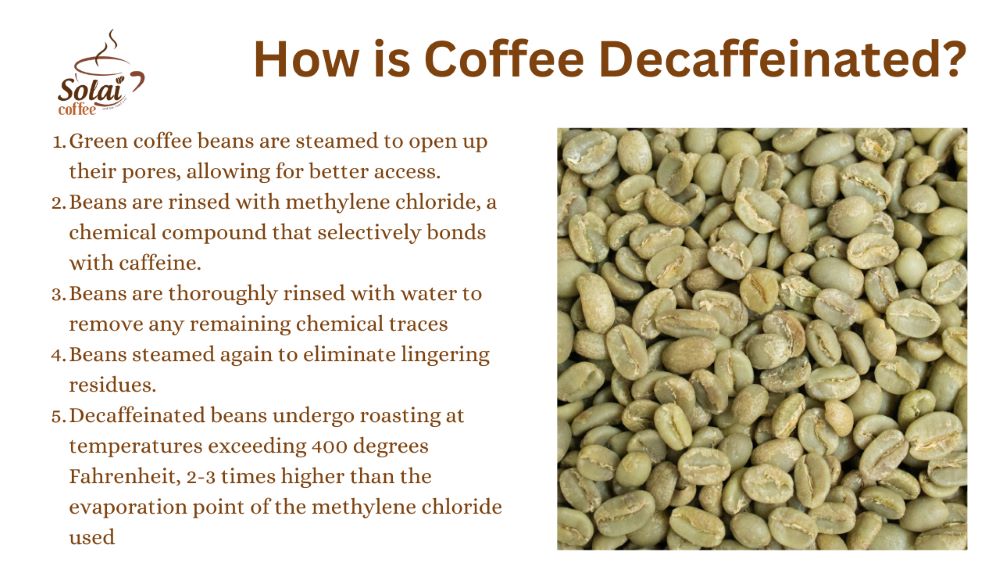 What is Decaf Coffee? | Solai Coffee
So, should you drink it? Or is it just a lie?
Look, if you’re sensitive to caffeine or just want a ritual without the racing heart, decaf is a perfectly fine choice. It’s not a betrayal of coffee—it’s just a mellower cousin who shows up to the family reunion with a yoga mat and a kombucha. There’s even some evidence that decaf can help lower your risk of type 2 diabetes and liver issues, thanks to all those antioxidants.
But if you order it expecting the same experience as a triple-shot espresso, you’re setting yourself up for disappointment. That would be like ordering a mocktail and complaining it doesn’t get you buzzed. Embrace the decaf for what it is: a gentle hug for your nervous system.
So next time you sip your decaf, remember: it’s not chemical sludge, it’s not a total dud, and it has a fascinating, shipwrecked origin story. It’s coffee’s laid-back, slightly dramatic sibling. And honestly? It might just save you from a panic attack at 10 PM. Cheers to the underdog.
