What Is A Carbon Filter

So, you’ve heard of a carbon filter. Maybe you spotted one in a fancy water pitcher, or lurking inside your fish tank pump. I’m here to tell you that this humble black sponge...

So, you’ve heard of a carbon filter. Maybe you spotted one in a fancy water pitcher, or lurking inside your fish tank pump. I’m here to tell you that this humble black sponge is actually a tiny superhero. It’s like a bouncer at a nightclub, but instead of kicking out drunk dudes, it evicts nasty tastes, smells, and chemicals.
The Secret Life of Charcoal
First, let's get one thing straight: this isn’t the charcoal you use for a backyard BBQ. That stuff is just burnt wood. A carbon filter uses something called activated carbon. Imagine regular charcoal, but then give it a spa day with superheated steam or acid.
This “activation” process creates a tiny, labyrinth-like surface inside the carbon. We’re talking about a ridiculous amount of surface area. A single gram of activated carbon can have the same surface area as a football field. Yes, a football field. Your water bottle is secretly housing the Dallas Cowboys stadium, just in microscopic form.
Must Read
So how does it actually work? It uses a process called adsorption (not absorption, which is what a sponge does). Think of it like a magnetic game of tag. The carbon is “it” and it grabs onto impurities that float past, holding them hostage forever.
What It Actually Kicks Out (And What It Doesn’t)
Carbon filters are absurdly good at removing chlorine, which is what makes your tap water smell like a public pool. They also eat up those weird earthy tastes from algae or old pipes. If your water tastes like a damp basement, carbon is your exorcist.
Here’s the surprising fact: carbon filters can also remove some pesticides and industrial chemicals. But don't get cocky. They are terrible at removing things like heavy metals (lead, mercury), salt, or fluoride. If your water is full of lead, a carbon filter will just politely wave as it passes by. It’s a selective bouncer—great at spotting smelly guys, blind to dangerous ones.
You might think this makes it useless. But no! Think about what you actually taste: mostly chlorine and organic gunk. A carbon filter wipes those out with smug efficiency. It’s the reason your fancy coffee tastes better when made with filtered water—you aren't tasting a chemical science experiment.
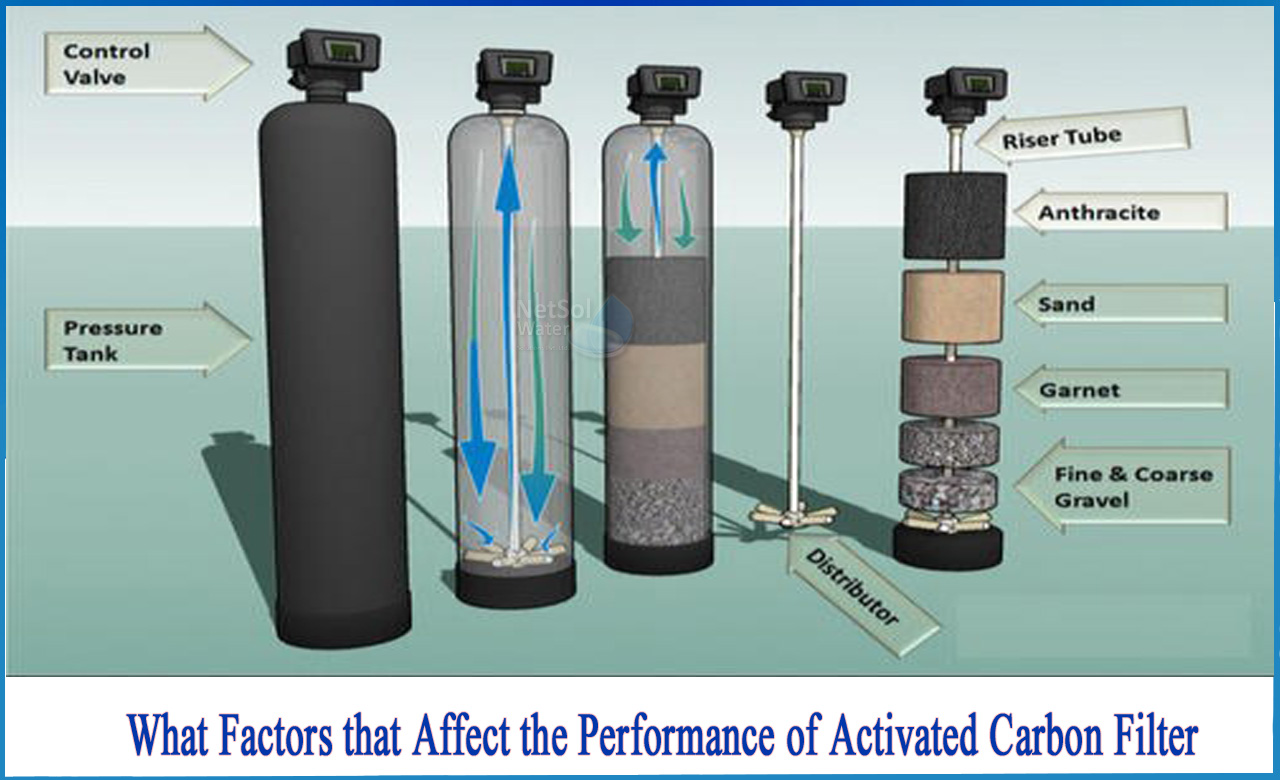 What Does A Carbon Filter Do
The Many Disguises of Carbon
You’ll find this stuff everywhere, wearing different costumes. In your fridge pitcher, it’s a granular black sand. In your aquarium, it’s a block that scrubs fish farts out of the water. In a gas mask, it’s a dense foam that stops you from breathing in tear gas (which is both heroic and very niche).
There’s even a type called a carbon block filter. This one is pressed into a solid brick. It’s denser, slower, and picks on smaller particles. It’s the over-achiever of the carbon world. It can trap microscopic cysts like giardia, which is basically a parasite that gives you sudden, explosive regrets about your last camping trip.
Fun fact: hospitals use massive carbon filters to clean the air. So when you’re in a waiting room, the air you’re breathing has likely been scrubbed by a cousin of the thing in your Brita pitcher. It's like the whole world is one big interconnected carbon party.
The Dark Side: Carbon Gets Tired
Here is the tragic flaw: carbon filters have a shelf life. They can only hold so much crud before they tap out. When they’re full, they stop filtering. Worse, they can start dumping all that nasty stuff back into your water. That’s right, your filter can become a traitor.
 Activated Carbon Filter Explained: Function, Benefits, and Uses
You can tell it’s dead when the water starts tasting normal again (meaning: bad). Or when your fish start looking at you with judgment. The rule of thumb? Replace your filter every 2-6 months, depending on how much you use it. If you live in a city with a lot of chlorine, it dies faster. It’s fighting a chemical war every day.
Oh, and don’t try to wash it. That’s like trying to rinse a paper towel. You just smear the dirt around. Once it’s done, it’s done. Throw it in the trash and mourn its passing.
The Final, Delicious Verdict
So, what is a carbon filter? It’s a piece of burnt, supercharged rock that thinks it’s a vacuum cleaner for bad molecules. It’s inexpensive, surprisingly powerful, and it hides in everything from your aquarium to your gas mask.
Is it perfect? No. Is it the secret reason your tea doesn’t taste like a swimming pool? Absolutely. Next time you take a sip of filtered water, give a little nod to the carbon. It’s in there, working hard, holding a football stadium of microscopic enemies at bay. Cheers, you magnificent little lump of black magic.
