What Is A Ph Level Mean

Let’s be honest: the first time you heard “pH level,” you probably nodded along like you knew what it meant, while your brain screamed “is this a new TikTok dance?” Relax. I’v...

Let’s be honest: the first time you heard “pH level,” you probably nodded along like you knew what it meant, while your brain screamed “is this a new TikTok dance?” Relax. I’ve got you. pH is simply a scale from 0 to 14 that measures how acidic or basic something is. Think of it as the universe’s way of rating whether a substance is a grumpy sour lemon or a mellow, slippery bar of soap.
The Numbers Game: Why Zero is a Jerk, and 14 is a Softie
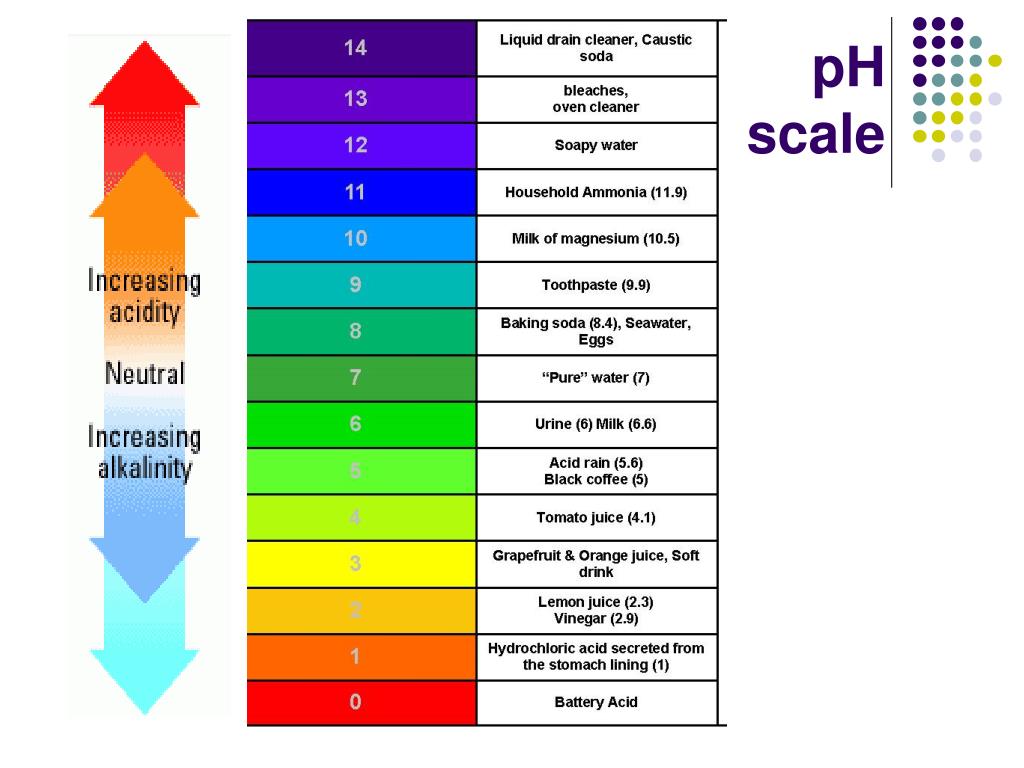
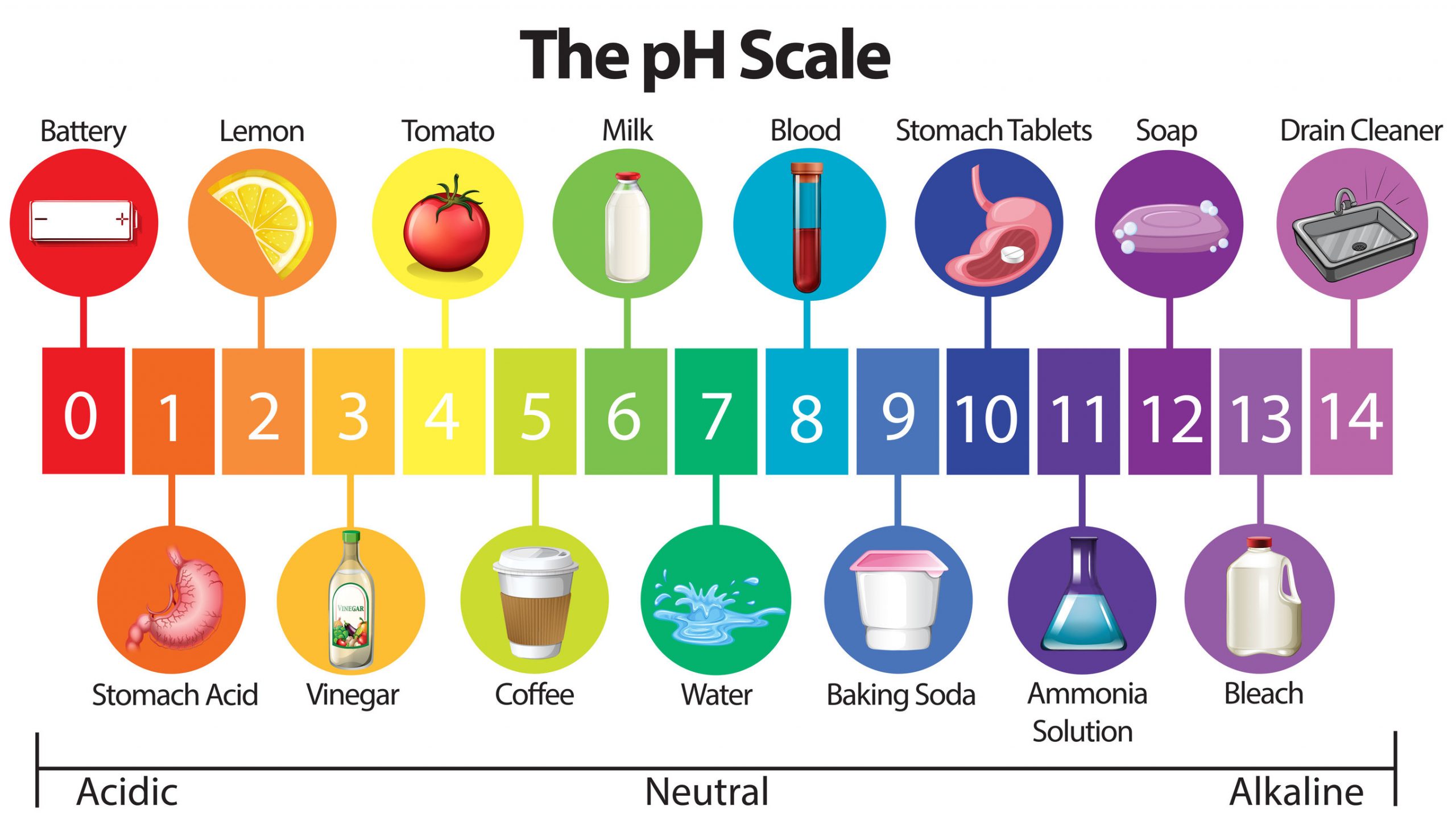
The scale works like this: a pH of 7 is neutral — pure water, the Switzerland of chemistry. Anything below 7 gets more acidic, and the lower the number, the more aggressive that acid acts. A pH of 1? That’s the kind of stuff that would dissolve your coffee spoon for looking at it wrong.
On the flip side, anything above 7 is basic (or “alkaline”). A pH of 14 is like that overly cheerful person who insists on hugging you — it’s got a lot of “attitude,” and it can burn your skin if you’re not careful. It’s a wild world down there on the molecular level.
Must Read
Surprising Fact #1: Your Stomach is Basically a Toxic Waste Dump
Your stomach acid hovers around a pH of 1.5 to 3.5. That’s acidic enough to dissolve a razor blade (seriously, science has done this — don’t try it at home). But here’s the hilarious part: your stomach lining doesn’t dissolve because it’s coated in a thick layer of mucus that practically laughs in the face of acid.
Meanwhile, your blood absolutely freaks out if its pH strays from a tight 7.35 to 7.45. If your blood goes even slightly more acidic, you’d be in the hospital faster than you can say “extra pickle on my burger.” Your body is a control freak, and it’s wonderful.
Pool Parties and Hot Tubs: The pH Police Are Everywhere
Ever wonder why swimming pools always smell like a chemical weapons test? That’s pH management. Pool water needs a pH between 7.2 and 7.8. Too low, and the water eats the metal ladders and turns your swimsuit into confetti. Too high, and the water gets cloudy and slimy — basically turning your pool into a giant, lukewarm bowl of liquid Jell-O.
And fish tanks? Oh, they’re the worst drama queens. Some fish demand a pH of 6.5, while others will literally have a heart attack if it’s not 8.0. It’s like having a teenage roommate who throws a fit if you move their protein powder.
 PPT - Understanding Acids, Bases, and Salts: Chemical Properties Guide
Surprising Fact #2: Your Own Urine Can Be a pH Roller Coaster
If you eat a lot of meat and cheese, your urine can get more acidic (pH around 5.0). If you go full-on kale-and-quinoa mode, it can spike to pH 8.0. That means your pee can literally change whether it’s closer to battery acid or baking soda. I’m not saying you should become a pH sommelier of your own waste, but… you could.
Doctors actually use urine pH to test for kidney stones. A consistently low pH (too acidic) is a red flag. Your kidneys are basically the bouncers at the club of your body, and pH levels tell them who gets in and who gets tossed out.
So What About All Those “Alkaline Water” Ads?
You’ve seen the fancy bottles: “Alkaline water, pH 9.5!” The marketing guys want you to think it will cure baldness, solve world hunger, and make your dog do your taxes. The truth is way less exciting: your stomach acid is so powerful that it instantly neutralizes most alkaline water you drink. That expensive bottle of water? It basically becomes regular stomach juice in seconds.
However, there is one real use: some studies suggest mildly alkaline water (around pH 8.8) may help with acid reflux by deactivating pepsin, an enzyme in your throat. But it’s not a miracle cure. It’s just fancy tap water with a slightly nicer attitude.
 Oven Cleaner Ph Scale
Surprising Fact #3: The Ocean is Getting Hangry
Since the Industrial Revolution, the ocean’s pH has dropped from about 8.2 to 8.1. That 0.1 change might sound tiny, but because pH is a logarithmic scale (like earthquakes on the Richter scale), it’s a 30% increase in acidity. This is called ocean acidification, and it’s really bad news for shellfish—their shells literally dissolve in more acidic water.
Essentially, we’re giving the ocean a collective heartburn that melts its furniture. Crabs and oysters did not sign up for this.
The Bottom Line: pH is Everywhere, and It’s Kind of a Control Freak
From the soil in your garden (plants love pH 6.0–7.0) to the soap you use on your hands (pH 9–10), the scale is secretly running your life. Your skin’s natural pH is around 5.5 — slightly acidic to fight off bacteria. That’s why using a harsh, high-pH soap makes your face feel tight and angry afterward. You’ve literally stressed out your skin chemistry.
So next time someone says “I need to balance my pH,” you can gently inform them that your body does a pretty good job of that by itself — unless you’re dead, in which case, pH is the least of your problems. Now go drink some water (pH 7, you rebel) and appreciate the beautiful, ridiculous chemistry experiment that is your own body.
