What Is Water Softeners

You’ve probably noticed it. That weird, filmy layer on your freshly washed glassware. Or maybe your skin feels tight and dry after a shower, no matter how much fancy lotion yo...

You’ve probably noticed it. That weird, filmy layer on your freshly washed glassware. Or maybe your skin feels tight and dry after a shower, no matter how much fancy lotion you slather on.
Welcome to the world of hard water. It’s the silent star of household annoyances, and it’s probably been living in your pipes rent-free.
So, What Exactly Is a Water Softener?
Think of it as a personal assistant for your plumbing. A water softener is a filtration system that removes the minerals—mainly calcium and magnesium—that make water ‘hard.’
Must Read
It works through a clever process called ion exchange. Basically, it swaps those harsh minerals for friendly sodium or potassium ions, leaving you with soft, silky water that feels like a spa treatment for your whole house.
Fun fact: The ancient Greeks noticed hard water problems, too. They softened it by boiling and filtering through cloth, which is basically the Paleo version of a modern softener.
How It Works (The No-Sciencey Version)
Imagine a little resin tank inside the system. It’s filled with thousands of tiny, negatively charged beads that act like magnets for the positively charged calcium and magnesium.
When hard water flows through, the minerals stick to the beads. In return, the beads release a tiny amount of sodium into the water. That’s it—a clean swap, like trading your rustic mountain stream for a gentle rainfall.
When the beads get full, the system flushes them with a salt brine to recharge. It’s like a power nap for your appliance.
Cultural Reference: The ‘Hard Water Hair’ Meme
If you’ve ever lived in a hard-water city, you know the struggle. Your hair turns into a straw-like mane that refuses to lather. It’s the same reason why, in many European cities, people have entire rituals around vinegar rinses and bottled water for hair.
Instagram influencers sometimes joke about “shiny, bouncy hair” being a luxury. But really, it’s just a water softener doing its job.
Fun fact: The New York Times once reported that 85% of American homes have hard water. You are not alone.
Why You Actually Want One
Beyond the ego boost of a great shower, soft water saves you money. Hard water leaves mineral scale inside your pipes, water heater, and coffee maker, forcing them to work harder and die younger.
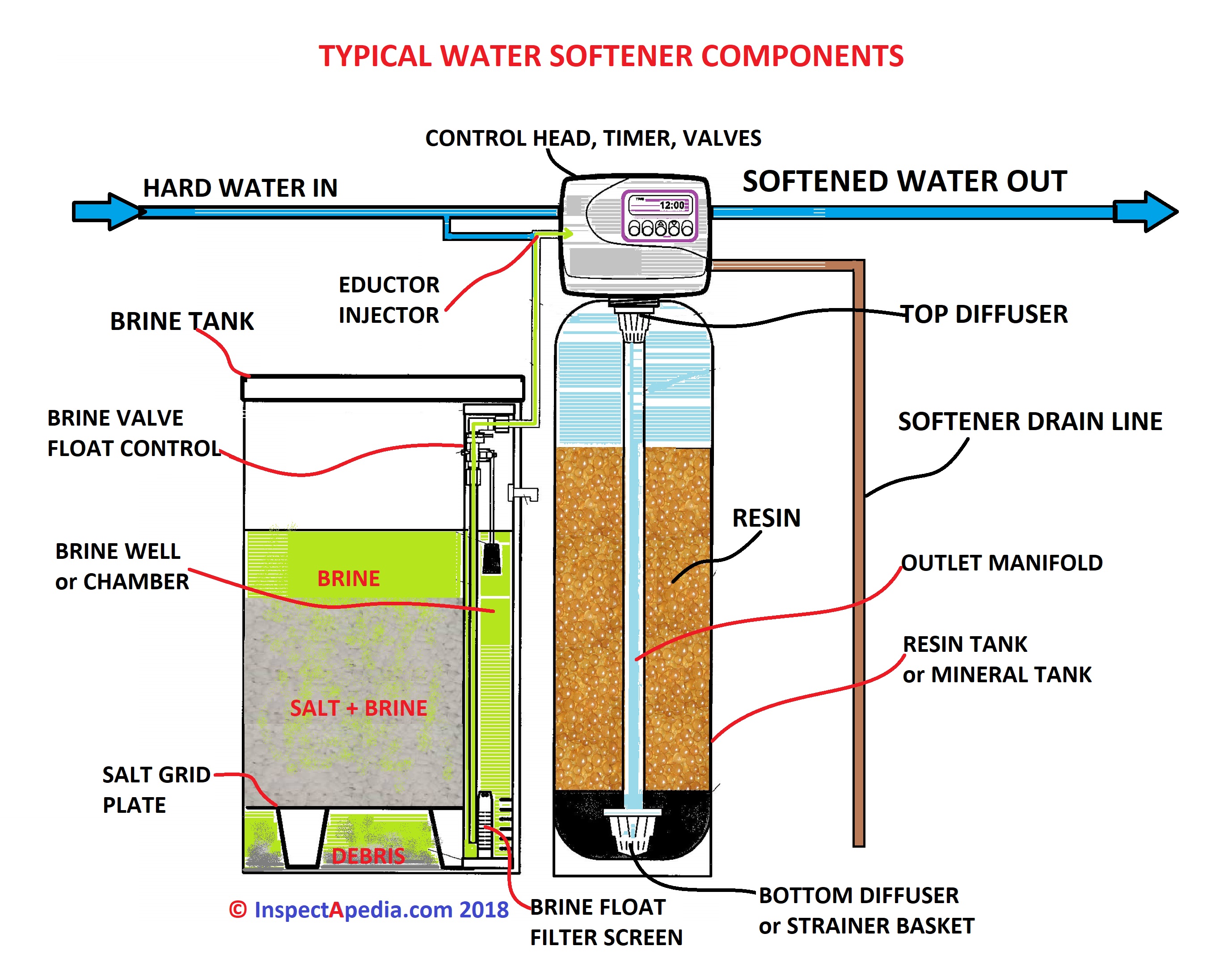 Water Softener Piping Diagram How Softeners Work | Water Softener
Your detergent and soap also become five times more effective in soft water. You’ll use less soap, less shampoo, and less elbow grease scrubbing soap scum off tiles.
Consider this: a family of four can save up to $500 a year on energy and cleaning products. That’s a nice dinner out, or a stack of new books.
Practical Tip: The ‘Suds Test’
Not sure if you need one? Fill a clear water bottle halfway with tap water, add a single drop of liquid soap, and shake it for ten seconds.
If you get a mountain of fluffy suds, your water is soft. If you get a sad, little foam or a cloudy mess, you’ve got hard water. Bonus points: if the water looks milky, you’re drowning in minerals.
Debunking the ‘Salty Water’ Fear
Many people panic: “Doesn’t it make my water taste salty?” Relax. The amount of sodium added is minuscule—usually about the same as two slices of bread.
For people on strict low-sodium diets, you can use potassium chloride instead of salt. It’s a little pricier, but still effective.
Or, just keep a filter on your kitchen faucet for drinking water. Problem solved, co-pilot.
The Installation Vibe
Installing a water softener is not a DIY project for the faint of heart. You need to cut into your main water line, which is like performing minor surgery on your house.
Call a plumber. Seriously. It costs around $500 to $1,500 installed, but it’s a lifetime investment in comfort. Plus, plumbers are the true rock stars of home maintenance—they’ve seen everything.
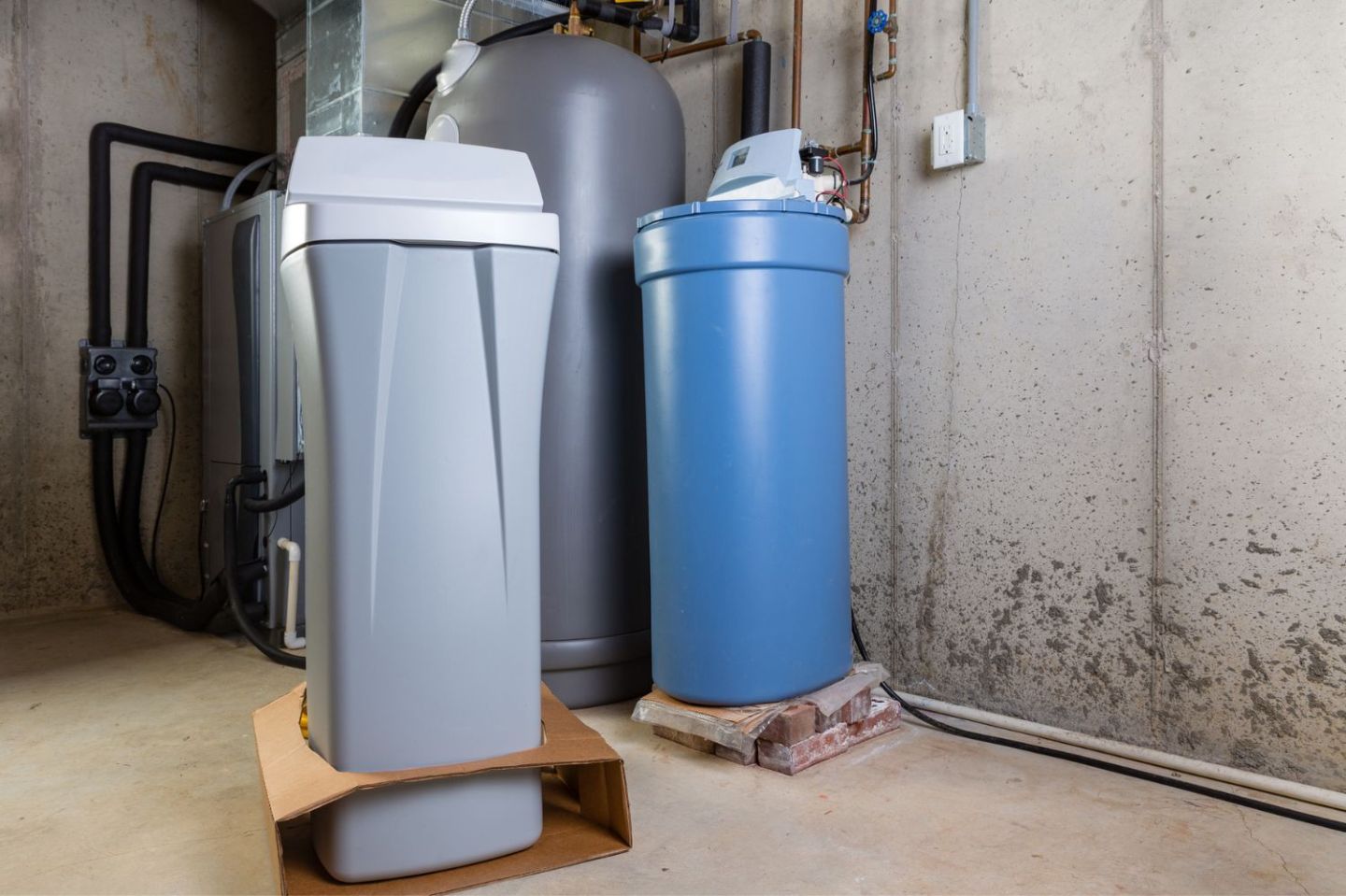 The Best Water Softeners of 2025
Once it’s in, you’ll notice the difference immediately: your glassware will sparkle, your skin will feel like silk, and your coffee will taste less like a rusty pipe.
A Fun Little Fact: The History of Soft Water
The first commercial water softener was patented in 1903 by a man named Charles H. Culligan. Yes, that Culligan. His early models used a tank filled with manganese zeolite—a natural mineral—to remove hardness.
Before that, people just dealt with it. They scrubbed their kettles with vinegar and grumbled about spotted dishes. Sound familiar?
Now, we have sleek, digital systems that can be controlled from your phone. That’s progress.
Practical Tip: Maintenance Made Easy
You only need to check your salt level once a month. Fill the brine tank about halfway, and never let it run dry. It’s like feeding a friendly pet that lives in your basement.
Use rock salt or solar salt pellets. Don’t use table salt—it has additives that can gum up the system. Your softener will thank you with quiet, efficient service.
Reflection: The Quiet Joy of Soft Water
There is something deeply satisfying about stepping out of a shower and feeling your skin actually clean—not coated in a mineral film. It’s a small, sensory luxury that most people never think about until they experience it.
Soft water doesn’t shout. It doesn’t come with a fancy label. But it makes every cup of tea taste better, every load of laundry smell fresher, and every morning feel a little more civilized.
In a world that’s constantly demanding our attention, sometimes the best upgrade is a quiet one that just makes daily life work better. And that, my friend, is the true magic of a water softener.
