How To Get Water Tested

So, you’re staring at a glass of water and wondering, “Is this stuff trying to kill me, or is it just being dramatic?” Don’t worry, you’re not alone. Every home has that one f...
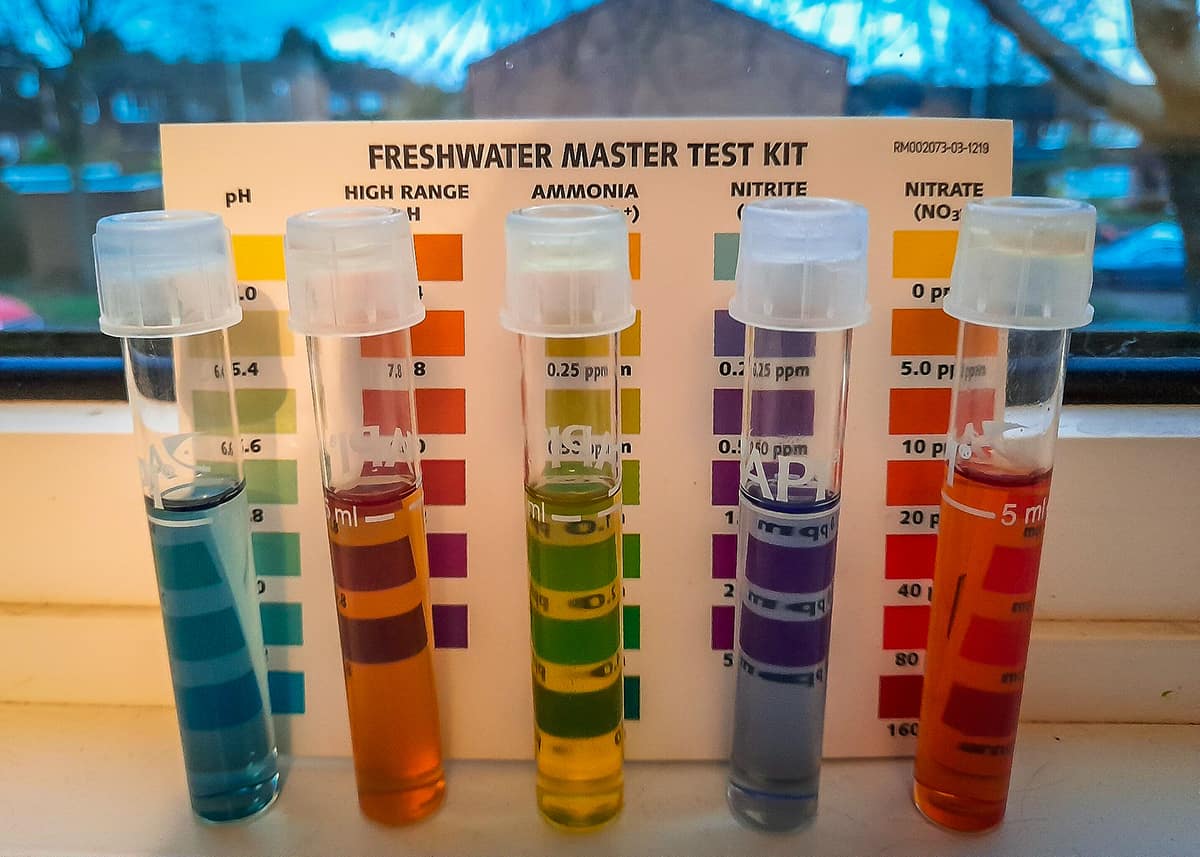
So, you’re staring at a glass of water and wondering, “Is this stuff trying to kill me, or is it just being dramatic?” Don’t worry, you’re not alone. Every home has that one faucet that tastes like a swimming pool got into a fight with a rusty pipe.
Getting your water tested isn’t just for conspiracy theorists who wear tinfoil hats. It’s a legit move, especially if you’re on a private well—the EPA doesn’t regulate those, so your water is basically a wild mustang with no sheriff in town. Think of this as your water’s background check before you let it into your body.
The “Should I Panic?” Checklist
First, ask yourself a few questions. Does your water smell like a wet dog that just ate a copper penny? That’s a hint. If your morning coffee looks like someone dumped a teaspoon of dirt in it, pay attention.
Must Read
But here’s the kicker: 70% of water contaminants have no taste, smell, or color. You could be drinking water that’s secretly a chemistry experiment gone wrong, and your tongue wouldn’t know. That’s why you need science, not just your nose.
Step 1: Stop Googling Symptoms
Googling “does gritty water cause invisibility” will not help you. Instead, call your local health department or state water lab. They’re like the DMV for molecules—slow, but official. They’ll send you a sterile kit that looks like a fancy urine sample cup, but for your kitchen faucet.
Some counties offer free basic testing for bacteria like E. coli. If you get a call and the person on the line says, “Um, maybe don’t drink that,” you’ll save yourself a lot of intestinal regret.
The Collection Ritual (It’s Weirder Than You Think)
Now, you must perform the sacred dance of sterile water collection. Do not touch the inside of the bottle cap. Do not rinse it with tap water first—that defeats the whole point, like showering before a mud bath.
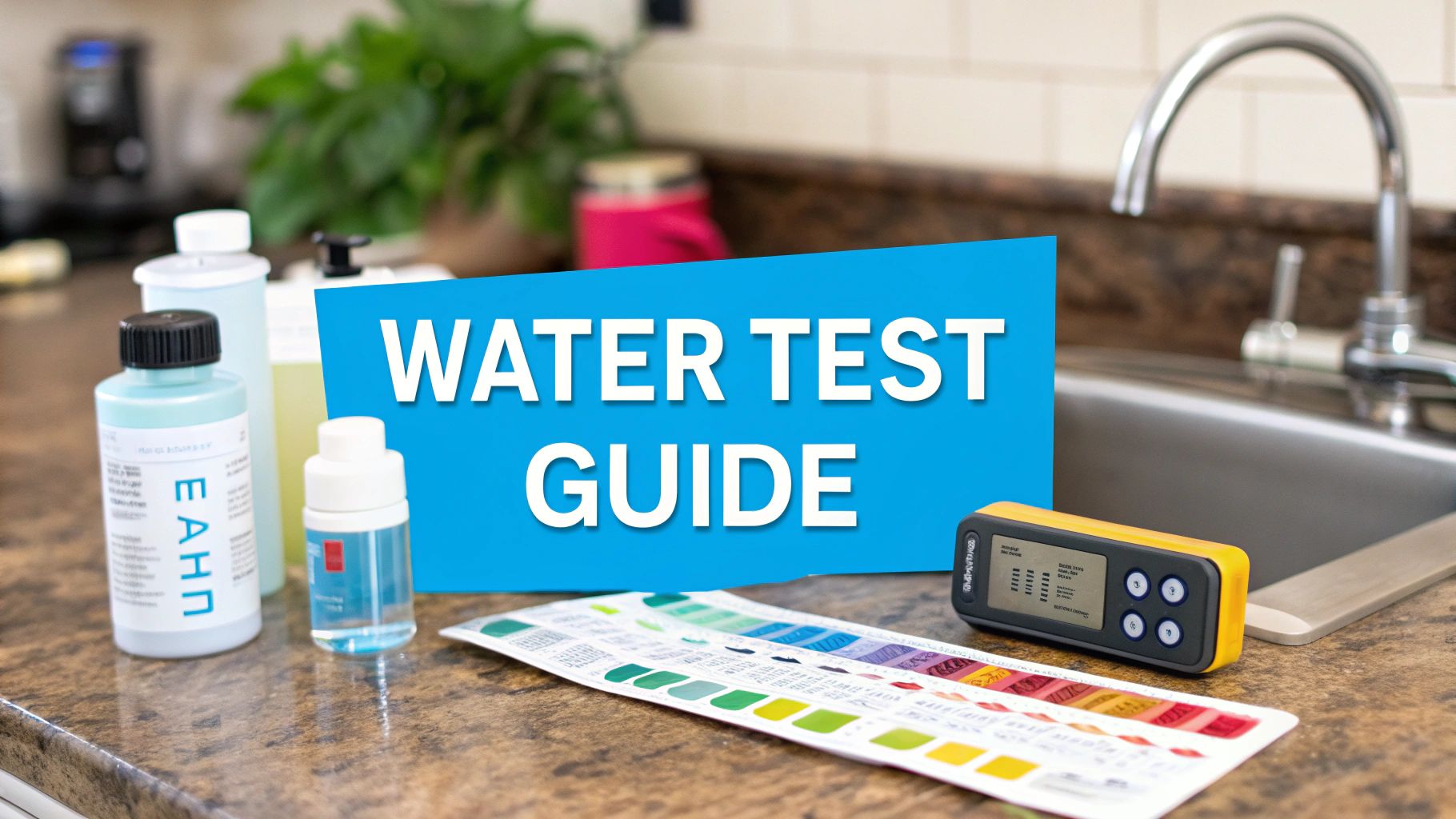 Your Guide to Water Quality Testing Kits: The First Step to Better
Let the cold water run for at least two minutes. I know, that feels wasteful, but you’re not watering your lawn; you’re sending a spy into the underworld of your pipes. Fill the bottle to the line, then immediately put it in a cooler on ice. Bacteria are like needy party guests—they multiply fast if you leave them out.
What You Might Find (The Surprising Part)
Here’s the fun fact: colorless, odorless radon is a leading cause of lung cancer in non-smokers, and it can come right up through your shower water. You’re not just drinking it; you’re breathing it in while singing off-key.
Also, lead is the classic villain. If your home was built before 1986, your pipes might be using that soft metal like it’s a 1920s cocktail shaker. No amount of lead is safe, but surprise: boiling water actually concentrates lead instead of removing it. Now you’re making hot poison soup.
The Lab Results (And What They Mean in Human Language)
When the lab sends your results, don’t faint if you see “arsenic” at 5 parts per billion. That’s the legal limit in the U.S., but that limit was set in 2001, and scientists still argue about it. Basically, a tiny bit of arsenic is allowed, like how your grandma allows one cookie before dinner.
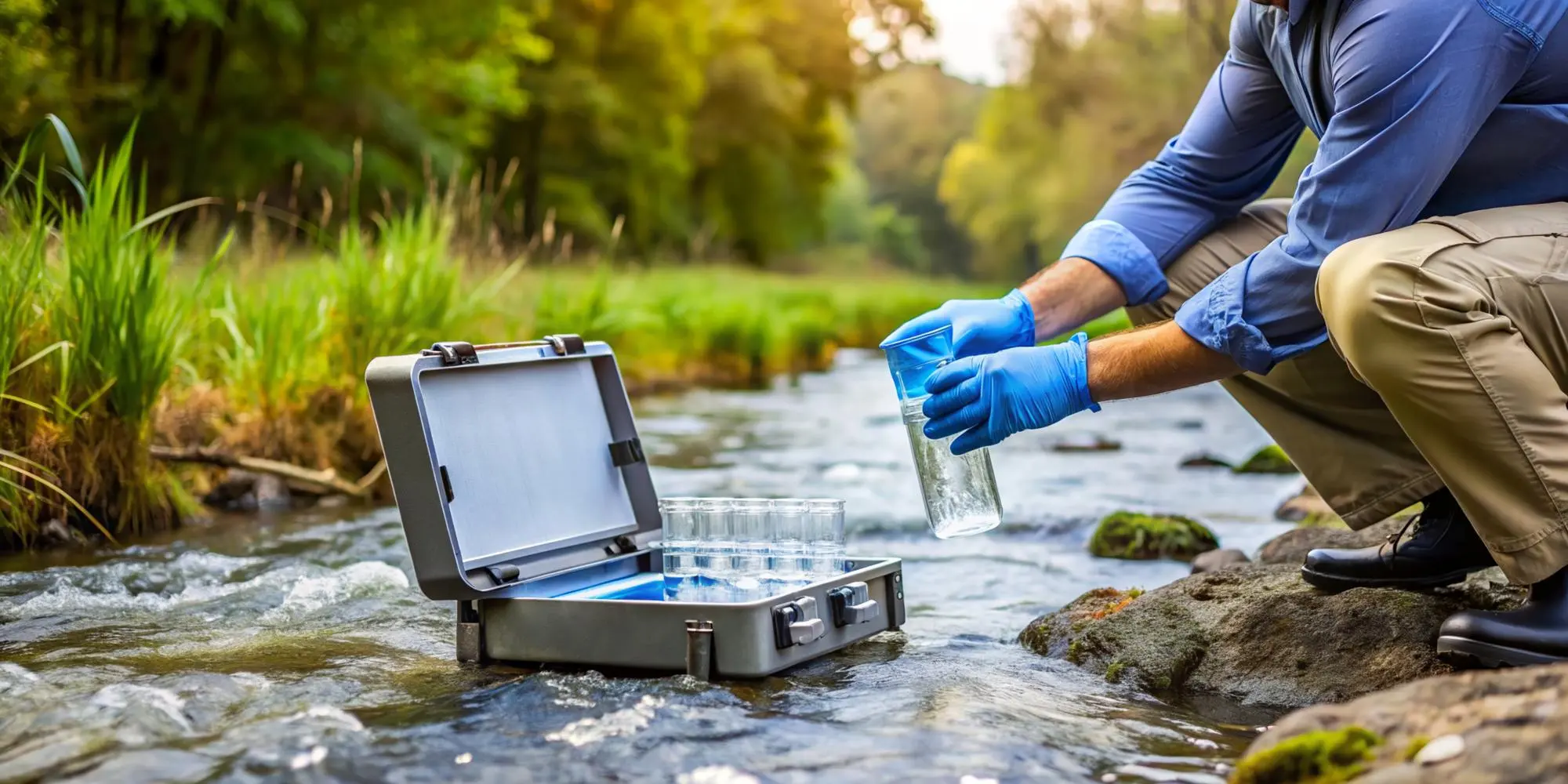 Water Testing Lab | Water Testing Laboratory
You’ll also get numbers for pH, hardness, and total dissolved solids. If your water is “hard,” it means it’s full of calcium and magnesium—that’s actually healthy for your teeth, but annihilates your coffee maker.
What to Do Next: Filters, Panic, or Both?
If you find coliform bacteria—that’s a red flag. You might need to shock your well with chlorine, which is as fun as it sounds (wear goggles). If you find high nitrates (common near farms), boiling doesn’t help either. That’s right—youth baseball teams drinking from farm runoff need a reverse osmosis system, not a kettle.
For most people, a simple activated carbon filter handles 95% of the gross stuff. But if you insist on drinking “raw” water from a creek like a TikTok influencer, let me remind you: beavers carry Giardia, and that parasite will make you rethink every life choice you’ve ever made.
The Final Sip
Testing your water costs between $20 and $200, depending on how paranoid you are. For reference, that’s cheaper than one ER visit for food poisoning, and a lot less embarrassing than telling the doctor you got sick from your own sink.
So go forth, test your water, and stop trusting that metallic-tasting ice cube like it’s a old friend. Your stomach will thank you, and you’ll finally know if that “swimming pool fight” was just your imagination—or a cry for help from your pipes.
