How To Clean Hard Water

You know that weird, white, crusty stuff that builds up on your faucet and makes it look like it’s been dusted with chalk? That’s hard water. It’s basically just water that pi...

You know that weird, white, crusty stuff that builds up on your faucet and makes it look like it’s been dusted with chalk? That’s hard water. It’s basically just water that picked up extra minerals—calcium and magnesium—on its way through the ground. It’s not dangerous, but it is a giant pain in the neck.
Think of it like this: your water has a secret mission to leave little mineral souvenirs everywhere it goes. It leaves them on your shower doors, inside your kettle, and even on your glasses after they come out of the dishwasher. Ugh, spot city.
Why should you even care?
Because hard water is a silent bully. It doesn’t just look bad; it actually makes your soap less effective. You end up using twice as much shampoo and laundry detergent just to get a lather going.
Must Read
It also clogs up your appliances. Your coffee maker stops dripping, your dishwasher gets slow, and your water heater works harder than it has to. That means higher energy bills and shorter lifespans for your favorite gadgets.
And let’s be honest, nobody likes feeling like they have a thin layer of chalk on their skin after a shower. It’s not a good look, and it can make your hair feel dry and straw-like. So, cleaning hard water isn’t just about being tidy—it’s about being kind to your stuff and your skin.
The simple, everyday heroes
You don’t need a chemistry degree or a closet full of toxic bleach to win this fight. You just need a few things you probably already have in your kitchen. White vinegar is your new best friend.
Vinegar is a weak acid, and acids dissolve those chalky mineral deposits like magic. It’s like sending a tiny army of clean-up crew members to break down the fortress of crust. Plus, it’s cheap and smells like pickles for only about ten minutes.
Fixing the faucet and showerhead
Take a plastic sandwich bag and fill it halfway with white vinegar. Tie it around your showerhead or faucet with a rubber band so the vinegar is touching the crusty parts. Let it soak for at least an hour, or overnight if it’s really bad.
 How To Remove Hard Water Stains (6 Easy Methods)
When you come back, the white chunks will practically fall off with a gentle scrub from an old toothbrush. Run the water for a minute, and you’ve got a faucet that gleams like it’s brand new. It’s deeply satisfying.
Saving your glassware from the spots
Those cloudy spots on your wine glasses aren’t a permanent stain. They’re just minerals that got left behind. The trick is to rinse with a splash of vinegar.
After you wash your glasses, fill a small bowl with a cup of vinegar and a cup of water. Dip a clean sponge in it, give each glass a quick wipe, and then rinse with regular water. Dry them immediately with a lint-free cloth, and they’ll look crystal clear. You can even impress your dinner guests with your “sparkling stemware.”
Conquering the coffee maker
Your coffee maker has been working hard, and it’s probably full of scale. If your coffee tastes a little funny, that might be why. Fill the reservoir with a mix of half water and half vinegar, and run a brew cycle.
Stop it halfway through and let it sit for 30 minutes. Then finish the cycle. Run two more cycles with plain water to rinse everything out, and your next cup of joe will taste like heaven again. No more bitter surprises.
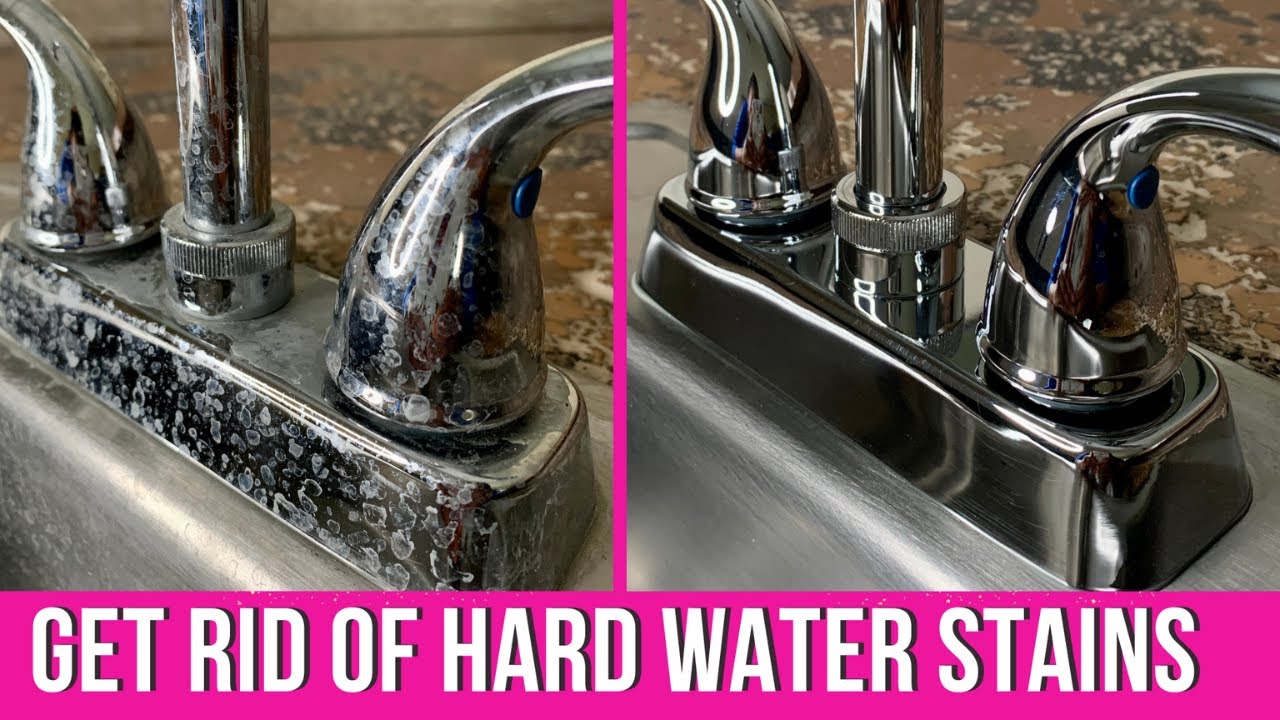 How To Clean Hard Water Build Up On Faucet at Isaac Oppen blog
When things get really stubborn
Sometimes the vinegar alone isn't enough, especially on glass shower doors. That’s when you bring out a little elbow grease and a razor blade scraper. Yes, the kind you use for paint.
Wet the door, spray it with a vinegar-and-water mix (50/50), and then gently scrape the flat blade across the glass at a 45-degree angle. It removes those thick, bumpy deposits without scratching. Just be careful and keep the blade wet.
If the whole house has a serious hard water problem, you might want to think about a water softener. It’s a bigger investment, but it basically turns your home into a “hard water free zone.” No more scaling, no more soap scum, just happy, clean everything.
A little prevention goes a long way
The best way to clean hard water is to stop it from drying. If you wipe down your shower walls and sink with a squeegee or an old towel after every use, the minerals have no chance to set up camp. It takes five seconds.
Also, consider using a rinse aid in your dishwasher. It helps the water slide off your dishes, so the spots literally don’t have time to form. It’s like giving your dishes a tiny raincoat.
So, next time you see that dusty faucet, don’t sigh. Just grab your vinegar, your baggie, and your old toothbrush. You’ve got this. Clean water is just a few easy steps away.
