How To Read A Tds Meter

Okay, let’s talk TDS meters. You know, those little gadgets that look like a fancy thermometer your science teacher might have used? You’re probably staring at one right now,...
Okay, let’s talk TDS meters. You know, those little gadgets that look like a fancy thermometer your science teacher might have used? You’re probably staring at one right now, wondering if it’s broken or if you need a PhD to decode it. Relax, friend! Reading a TDS meter is actually way easier than assembling IKEA furniture—and it won’t make you question your life choices.
Wait, What Is a TDS Meter?
First, a quick secret: TDS stands for Total Dissolved Solids. That’s just a fancy way of saying “stuff floating in your water you can’t see.” Think minerals, salts, and the occasional ghost of a forgotten coffee bean. Your meter measures this stuff in parts per million, or PPM. It’s like counting how many tiny strangers are crashing your water party.
Now, don’t panic. A TDS meter isn’t judging your tap water’s personality. It’s just giving you a number. A simple, boring, beautiful number. You can handle that, right? Right.
Must Read
Step 1: Turn It On (The Hardest Part)
I believe in you. Find the power button—it’s usually the only button. Press it. If nothing happens, check for a battery cover. Yes, it needs batteries. No, AAAs don’t grow on trees, but you’ll survive.
Pro tip: If your meter has a cap, remove it. I know, groundbreaking. I once tested with the cap still on and got a reading of “confused.” Don’t be that person. Be better.
Step 2: Make It Swim
Take your meter and dip the metal probes into the water. Not too deep—just enough to cover the tips. Think of it as a polite handshake, not a full-body dunk. Hold it steady for about 10 seconds. The number will stabilize, like your friend after their third cup of coffee.
If you’re testing tap water, have a glass ready. If you’re testing your fish tank, please don’t confuse it with your drinking glass. Yes, I’ve seen people do this. The fish are not impressed.
Step 3: The Magic Number
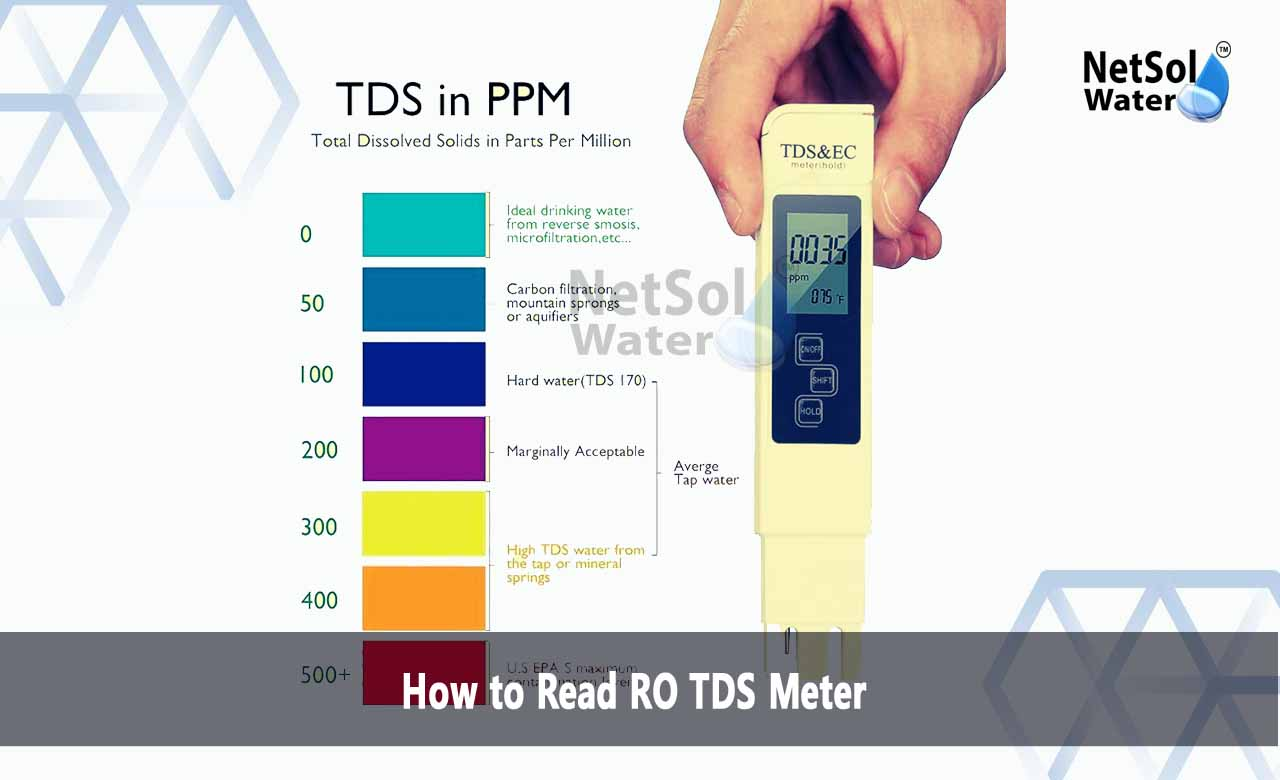
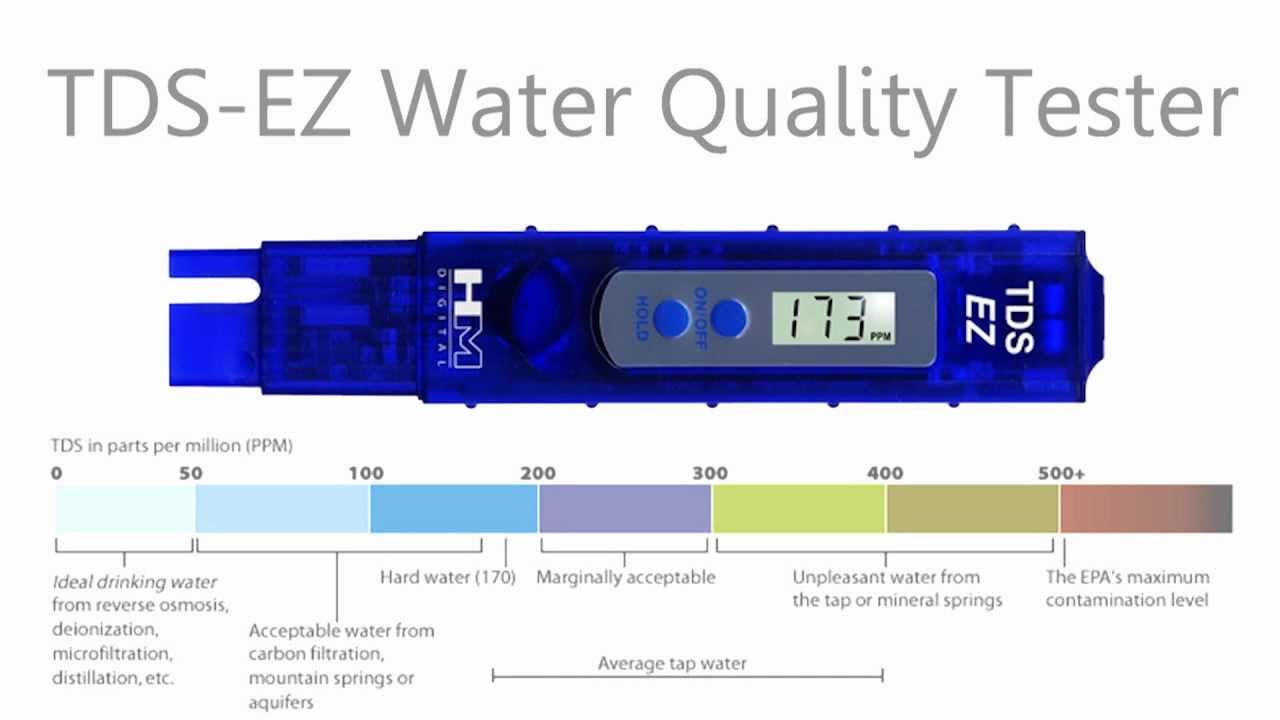
Look at the display. You’ll see a number, usually between 0 and 2000. Don’t scream. It’s just a number. Here’s how to decode it like a total pro:
 Tds Water Meter Chart – What Is A Tds Meter – FPYK
- 0–50 PPM: Your water is basically a Himalayan mountain stream. You’re fancy. The fish are jealous.
- 50–150 PPM: Normal tap water. Your kidneys will be fine. No need to call a priest.
- 150–300 PPM: A bit hard. Your tea might taste slightly like a rock, but you’ll live.
- 300–500 PPM: Okay, you’ve got some minerals. Your guests might wonder if you’ve got a secret salt mine.
- 500+ PPM: You’re not drinking water; you’re drinking a mineral bath. Consider a filter or a spoon.
Remember: Higher numbers don’t mean your water is evil. They just mean your water is highly opinionated about its mineral content. Let it express itself.
Step 4: Cleaning Up (Because You’re a Grown-Up)
Once you’ve gotten your reading, wipe the probes dry with a soft cloth. Water spots can confuse future readings. Also, put the cap back on. Your meter isn’t a houseplant; it doesn’t like dust.
Do not drop it in the sink. I did that once, and my meter became a very expensive, sad coin. Treat it like a tiny, fragile robot pet. It doesn’t need walks, but it does need dry feet.
When to Use Your New Superpower
You can test any water now! Tap water? Yes. Bottled water? Hell yes. Your friend’s mysterious homemade kombucha? Absolutely—and please report back with findings.
People will think you’re a water sommelier. “Oh, this glass has a crisp 45 PPM. Notes of limestone and a hint of municipal chlorine.” You’ll sound genius. Fake it with your meter.
Common Mistakes (We’ve All Been There)
Mistake #1: Testing hot water. Your meter will give you a number, then a sad beep, then possibly cry. Always use room temperature or cold water. Heat messes with science—and science is grumpy enough.
 Tds Ec Meter Reading Chart – What is a TDS Meter and Do I Need One
Mistake #2: Forgetting to shake the bubbles out. If your water is fizzy, let it sit first. Carbonation is just drama. Let the water calm down before you probe its secrets.
Mistake #3: Testing sea water. Just don’t. The reading will be “ocean.” You’ll get a salt plaque for your trouble. Stick to freshwater unless you’re a marine biologist.
What About Those Crazy High Readings?
If you get a reading like 9999, don’t panic. Your water is probably not a toxic waste spill—it’s just super saturated with minerals. Maybe you dropped a salt cube in it. Maybe it’s brine from a pickle jar. Taste it carefully (with your tongue, not the meter).
If it tastes like seawater and regret, you’ve got answers.
The Uplifting Conclusion (You Made It!)
See? You’re now a certified TDS meter whisperer. You can stare at a drop of water and judge its entire lifestyle. That’s a weird but wonderful skill. Go test your aquarium, your garden hose, and that suspicious puddle on the sidewalk. Be curious. Be brave.
The world is full of mysteries, but your water’s mineral count doesn’t have to be one of them. So grab your little device, dip it in something wet, and smile. You’re no longer just a person—you’re a water detective. And honestly, that’s a pretty cool hat to wear. Now go hydrate with confidence. You’ve earned it. 💧
