How To Test Ph In Water

You know that slightly weird taste when you drink from a plastic bottle that’s been sitting in a hot car? Or when your tap water leaves a chalky white residue on your coffee m...
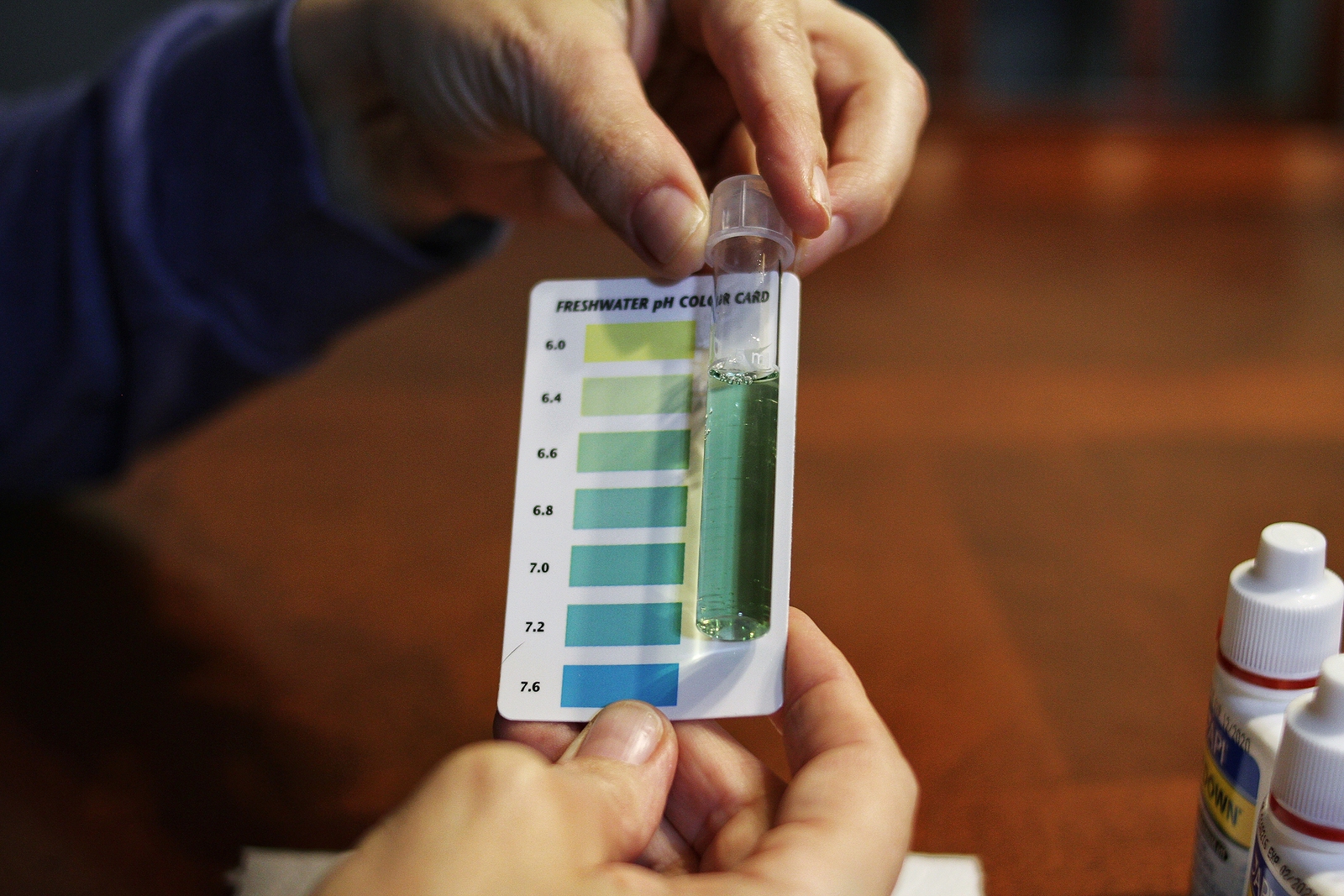
You know that slightly weird taste when you drink from a plastic bottle that’s been sitting in a hot car? Or when your tap water leaves a chalky white residue on your coffee mug? That’s your water talking—and it’s whispering something about its pH level. Don’t worry, we’re not diving into a high school chemistry flashback here. Think of pH as the water’s mood: is it feeling chill and balanced, or is it a little too sour or a little too harsh?
So why should a regular person—someone who just wants to water their houseplants or make a decent cup of tea—care about pH? Well, imagine waking up every morning and drinking lemon juice straight (yikes), or worse, licking a battery. That’s extreme, but water that’s too acidic or too alkaline can mess with your pipes, your plants, even your skin. Testing it is like giving your water a friendly check-up—simple, fast, and weirdly satisfying.
The "Why You Should Care" Part (It’s Actually Fun)
Let’s get real: nobody wants to drink something that tastes like a science project. Balanced water (between 6.5 and 8.5 on the pH scale) usually tastes clean and neutral. But high pH water can taste like baking soda, while low pH water can have a sharp, metallic bite.
Must Read
And your plants? They can be total drama queens. My snake plant once turned yellow because my tap water was too acidic. It literally looked at me with leaf-drooping judgment until I tested and fixed it. Your skin and hair will thank you too—acidic water can make you feel squeaky and dry, while alkaline water can leave residue.
Meet Your Testing Squad (No Lab Coat Required)
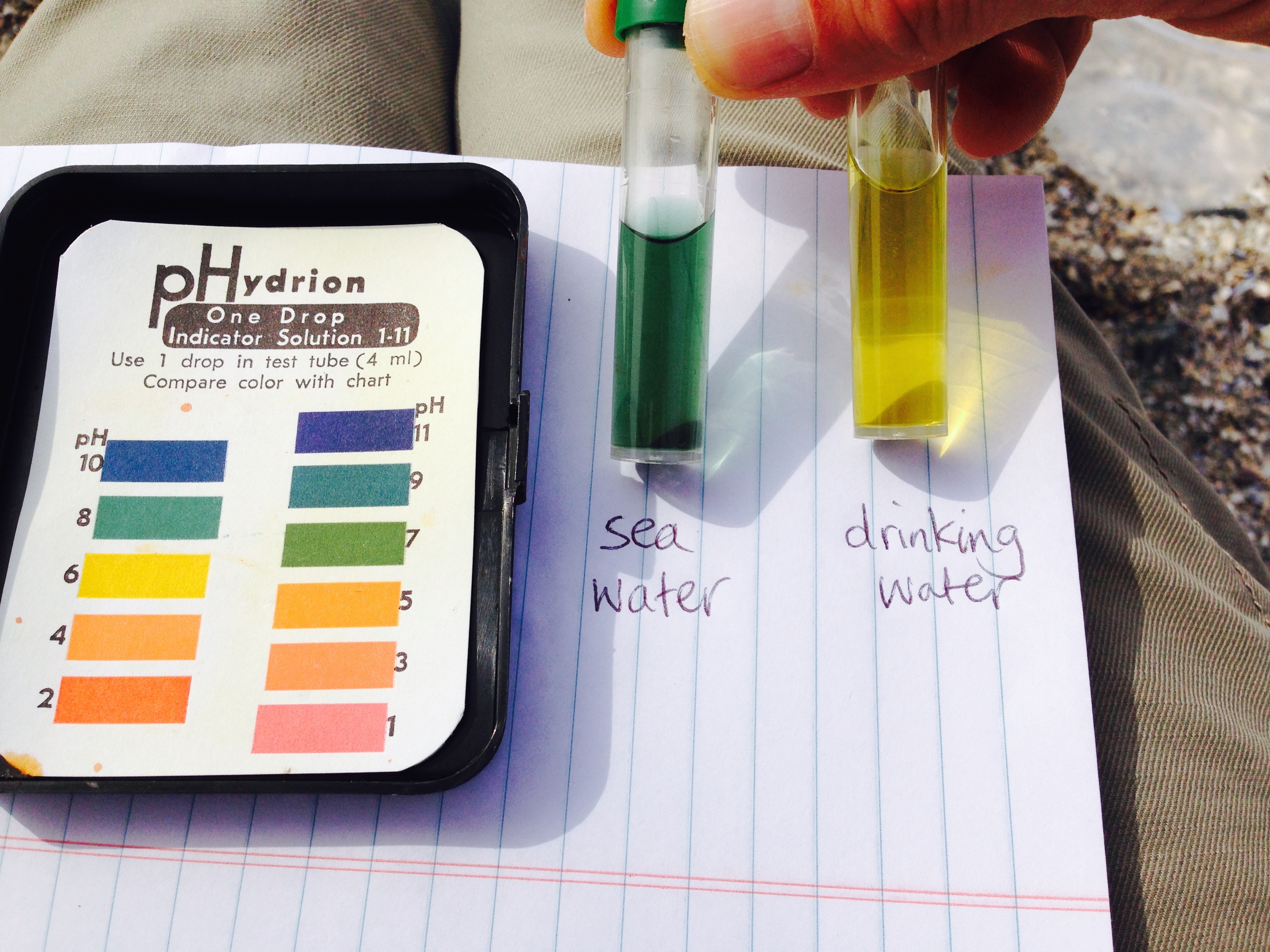
You don’t need a PhD or a fancy kit. The easiest tool is a pH test strip—those little paper sticks you can buy at any pet store or online for a few bucks. Dip it in your water for a few seconds, wait for the color to change, and match it to a chart. It’s like an old-school mood ring for water.
Another low-key option: a digital pH meter. These are like little thermometers, but for acidity. Just stick the probe in a glass of water, press a button, and boom—a number pops up. They cost a bit more (around $15–$30) but are super accurate and fun to show off at dinner parties. “Oh, you thought your bottled water was perfect? Let me test it.”
Your Step-by-Step Guide (With Zero Stress)
Step 1: Grab a clean glass. Don’t use a smelly dish or a mug that had coffee in it—residue messes with the test. Fill it with your water (tap, filtered, well, or bottled) and let it sit for a minute so it reaches room temperature. Cold water can throw off readings.
 How To Test Ph Of Water , Top 3 Methods to Measure pH of Water – PNACAY
Step 2: If you’re using test strips, dip one into the water for the time listed on the package—usually about 2–5 seconds. Pull it out, shake off the excess, and wait for the magic color change. Match that color to the chart on the box. For a digital meter, just turn it on, rinse the probe with clean water, and dip it in your glass. Stir gently until the number stabilizes.
Step 3: Read the result. Here’s the cheat sheet: pH 7 is neutral, like pure rain. Below 7 is acidic, above 7 is alkaline. Most tap water falls between 6.5 and 8.5. If yours is way off (like below 6 or above 9), you might want to take action—like adding a filter or talking to your local water company.
Real-Life Surprises (And a Tiny Story)
Last week, I tested my fancy “spring water” from the grocery store. Turns out it was a 5.2—more acidic than orange juice! Meanwhile, my neighbor’s well water was a 9.8, basically liquid chalk. We swapped tips: she uses a pinch of baking soda to lower alkalinity, and I bought a simple pitcher filter with a pH-balancing cartridge. Now we’re both drinking happy water.
Another fun moment: testing aquarium water for my goldfish, Kevin. Kevin’s pH was perfect at 7.2, but my roommate’s betta fish water was a 6.0—too acidic. We fixed it with a little crushed coral in the filter, and now Kevin and the betta are living their best lives. Testing saved the fish.
 Ph Test For Bottled Water at Jacqueline Sadler blog
When To Test (Because You’re Busy)
You don’t need to test every hour. Do it once a month for your drinking water, especially if you use a well or a home filter. Test after a big rainstorm, since runoff can change pH. And always test if you move to a new place—I once moved into an apartment where the water rusted my kettle within a week.
If you notice a weird smell, taste, or your dog won’t drink from the bowl, trust your gut and test. Animals have super-sensitive noses; if Fido sniffs the water bowl and walks away, something’s up.
The Warm, Fuzzy Takeaway
Testing your water pH isn’t about being a perfectionist—it’s about being kind to yourself, your plants, and your goldfish. It takes two minutes, costs pocket change, and gives you a little gold star of control in a chaotic world. Plus, it’s oddly satisfying to match colors on a chart, like solving a tiny puzzle.
So go ahead, grab a strip, and give your water a little chat. It might just tell you something surprising. And hey, if it’s perfect? Pour yourself a glass, feel smug, and toast to your inner scientist. Cheers to balanced water—and a life that’s just the right amount of neutral.
