Does Lead Have A Smell

Alright, let’s settle a debate that has probably never actually happened, but absolutely should: Does lead have a smell? You’re not alone if you’ve ever found yourself sniffin...

Alright, let’s settle a debate that has probably never actually happened, but absolutely should: Does lead have a smell? You’re not alone if you’ve ever found yourself sniffing a fishing weight or an old window pane, wondering if your nostrils are picking up something sinister. Spoiler alert: Pure lead is famously, boringly odorless. It’s the metallic equivalent of a polite ghost—totally there, yet offering zero aromatic evidence.
But wait—before you feel like a fool for even asking, know this: You’re not crazy. Many people swear they can smell metals, especially old pennies or rusty railings. That’s because your nose isn’t actually sniffing the metal itself, but rather the chemical reaction between the metal and your own skin oils or sweat. It’s like your hand throws a tiny, invisible party on the metal’s surface, and your nose catches the leftover fumes. So when you sniff a lead sinker, you’re mostly smelling you—which is either deeply existential or just gross, depending on how you look at it.
Here’s the twist that makes this genuinely hilarious: Lead itself is a master of disguise. It doesn’t smell like anything, but if you handle it a lot, you might start noticing a faint, sweetish-metallic note. That’s not lead—that’s pollution wearing lead’s jacket. Real, pure lead is chemically inert enough that it doesn’t even bother to fume into your nose. It’s the quiet kid in the chemistry class, just sitting there while everyone else (like sulfur, ammonia, or even iron) is shouting through scent molecules.
Must Read
The "Sweet Smell" Myth—And Why It’s Terrifying
Now, let’s talk about the biggest urban legend in the lead-sniffing community: the idea that lead smells sweet. You’ll hear old welders, plumbers, or people who’ve worked with lead-based paint mutter, “Yeah, it’s got a sweet, sickly smell.” Nope. That’s a lie—and a dangerous one. That “sweet” smell is more likely the additives in lead alloys (like antimony or tin) or, even scarier, the fumes from burning lead oxide during soldering. Your nose is not a metal detector; it’s a drama queen that tells you stories based on random chemical coincidences.
Fun fact: The brain loves to trick us. If you expect a heavy metal to smell like a medieval dungeon, your nose will oblige. Studies show that when people are shown a metal object and told it’s “lead,” they report a smell—even if the object is actually stainless steel. It’s the placebo effect of olfaction. You’re sniffing your own expectations, not atoms of lead flying up your nasal cavity. So next time someone says, “I can smell lead,” politely offer them a glass of water and a nap.
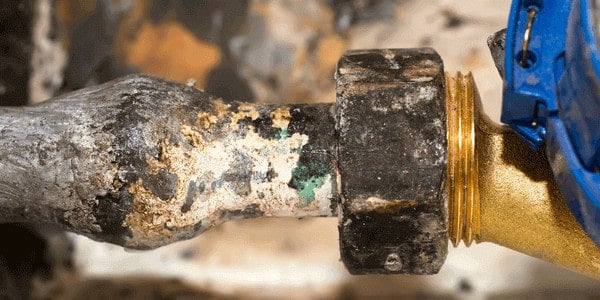 What Does Lead Look Like in Water? (And How To Test It)- QWL
What About “Metallic Taste”? Yes, That’s Real—And Gross
Okay, let’s pivot to taste, because this is where things get weirdly personal. You might have heard older folks say that if you touch lead and then lick your fingers (please don’t), you’ll taste a “metallic” tang. That’s not lead either. That’s oxidation—your saliva reacting with the metal to form something your tongue registers as “electric pennies.” It’s the same taste you get from putting a 9-volt battery on your tongue (which I do not recommend, but we’ve all been curious). Lead itself? Tasteless. Completely, boringly, dangerously tasteless. That’s part of why it poisoned so many people for centuries—you had no clue you were eating it.
Consider the ancient Romans. They boiled grape juice in lead pots to make a sweet syrup called sapa (basically, ancient corn syrup mixed with neurotoxin). Did they notice a weird smell or taste? No. They thought it was deliciously sweet. Lead doesn’t even have the decency to warn you with a bad flavor. It’s the ultimate passive-aggressive party guest: quietly ruining everything while you’re complimenting the punch.
So, Can You Actually Get High Sniffing Lead?
Please, for the love of your remaining brain cells, no. This is not a thing. You can’t get a buzz by huffing lead, unless by “buzz” you mean “a slow, irreversible decline in IQ and kidney function.” The myth might come from old-school “lead sniffing” in factories, where workers inhaled lead dust—which doesn’t smell but does cause neurological mayhem. That’s not a party trick; it’s a lifetime subscription to headaches and memory loss. If you want to smell something heavy and dangerous, go sniff a bowling ball—it’s safer.
 Can You Smell Lead In Water , How You Can Detect Levels of Lead in
In fact, the only time lead has a discernible odor is when it’s burned. Melting lead for casting fishing lures or bullets? Sure, you might catch a whiff. But that’s not lead’s “essence”—that’s the fumes of lead oxide and other impurities being vaporized. And do not, under any circumstances, put your nose near that. That smell is your brain’s final goodbye. Burned lead smells like regret and hospital bills. Just trust me.
The Verdict: Your Nose Is a Liar, But We Love It Anyway
So, does lead have a smell? No, not really. It’s the aroma equivalent of a blank piece of paper. Any smell you associate with it is either your own skin chemistry, leftover paint additives, or your brain playing olfactory charades. And that’s okay—because now you have a fantastic party fact to whip out when someone asks you to “smell this weird old weight.” You can say, with perfect confidence, “Actually, that’s the smell of you—meta-philosophical, isn’t it?”
Just remember: The most dangerous thing about lead is that it’s sneaky. It doesn’t stink, it doesn’t taste, and it certainly doesn’t announce itself. So keep sniffing your mysteries, but maybe don’t sniff your fishing tackle. Your brain is precious, even if it occasionally thinks it can smell a rock. Cheers to your nostrils—may they only encounter the good smells, like bacon and fresh bread. (And definitely not lead dust.)
