How Much Is A New Well

You’re standing in your backyard, dreaming of a lush garden and crystal-clear tap water. Suddenly, a single, daunting question pops into your head: How much is a new well? It’...
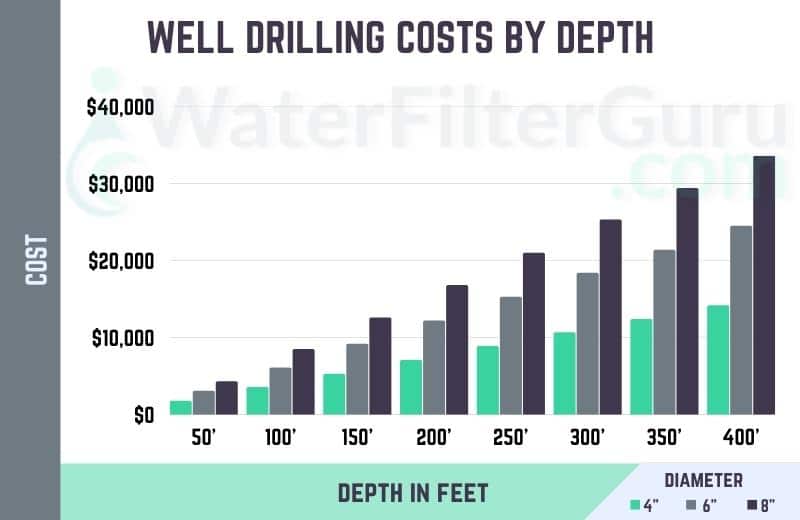
You’re standing in your backyard, dreaming of a lush garden and crystal-clear tap water. Suddenly, a single, daunting question pops into your head: How much is a new well? It’s the kind of question that sounds like a punchline to a very expensive joke. But don’t worry—we’re about to turn that mystery into a manageable, even fun, number-crunching session.
The Big Number: What Will It Really Cost?
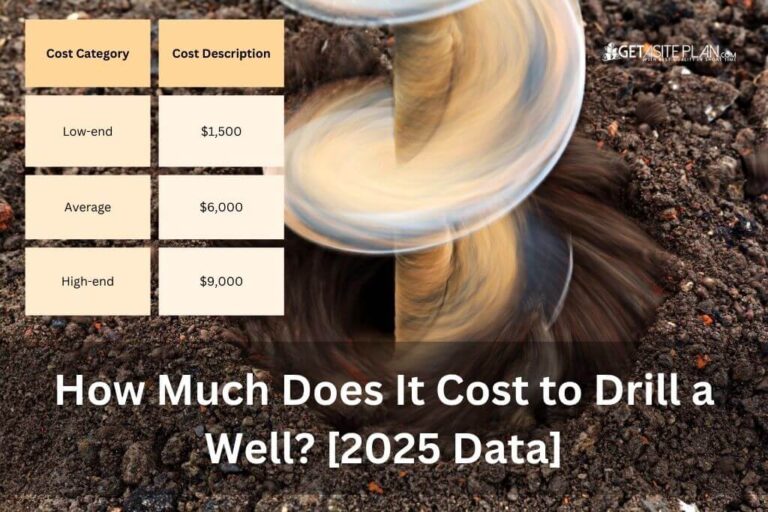
Let’s get straight to the point. The average cost of drilling a new residential well in 2024 ranges from $3,750 to $15,300. Yes, that’s a wide range.
Think of it like buying a car: you can get a reliable sedan or a tricked-out SUV. The final price depends entirely on your land, your water needs, and your ambition.
Must Read
For a standard 150-foot well with a basic pump, you’re looking at the $5,500 to $8,000 sweet spot. That’s the “happy middle” where most homeowners end up.
The Per-Foot Price Tag That Makes You Swoon
Drillers typically charge $25 to $60 per foot of depth. That’s the headline number. But here’s the kicker: you also pay for the pump, casing, wiring, and a pressure tank.
Think of the per-foot cost as a subscription fee for your water source. The deeper you go, the more you pay, but you might also get better, more consistent water. In some tough regions, like rocky New England or deep Texas aquifers, costs can hit $80 per foot or more.
Fun fact: The world’s deepest well is in Russia—over 40,000 feet deep. That would cost you about $2.4 million at our average rate. Stick to 150 feet, okay?
The Invisible Factors That Blow Your Budget
You can’t just pick a spot and start digging. Your land’s geology is the real boss. If the driller hits a boulder, it’s like hitting a speed bump in your bank account.
They might charge you $100 to $200 per hour for extra drilling time, or a flat fee for “rock work.” Sand, clay, and gravel are your friends; hard limestone or granite are the expensive frenemies.
Then there’s permitting. Most counties require a permit (usually $200–$600), a water quality test (around $100–$300), and sometimes a yield test. Don’t skip this—it’s like getting a health checkup for your new water supply.
Location, Location, Location (And Your Neighbor’s Well)
Your property’s location is a major decider. A well in a rural area with easy access might cost $4,000. The same well in a suburban backyard, squeezed between a fence and a shed, could run $7,000 due to tricky access.
 9 Types of Architectural Drawings (Examples + How to) - Get A Site Plan
Want to save money? Look at your neighbor’s well log. In many regions, these records are public. Find out how deep they went and what they paid.
It’s like checking Yelp for underground water—and it’s free intel. Tip: Call your local county health department or water board to access these logs.
The Pump: Your Water’s Heart (And a $1,000 Decision)
People often forget that the hole is just the beginning. Your pump and pressure tank are the rock stars of the system. A standard submersible pump runs $800 to $2,000, installed.
A variable-speed pump is quieter and more efficient, but it’s also $500 to $1,000 more. Think of it as upgrading from standard to premium streaming quality—smooth and consistent, but you pay for it.
Your pressure tank adds another $200 to $600. Don’t skimp on this; a cheap tank can leave you with water that spits and sputters like a bad coffee machine.
Hidden Costs That Hit Like a Plot Twist
What if you hit dry ground? Some drillers charge for “dry holes” at a reduced rate, but you still pay for the time. Always ask about their dry-hole policy before they start.
Need to run electrical lines from your house to the wellhead? That’s another $500 to $1,500 on average. And if you want a whole-house water filtration system (recommended for removing sediment, iron, or sulfur), tack on $800 to $3,000.
Cultural reference: Remember that scene in Parasite where the rain floods the family’s home? A good well system requires a properly sealed cap and a 30-foot setback from any septic tank. Don’t let your well become a movie plot disaster.
 2025 Well Drilling Costs | Average Water Well Installation Cost
Ways to Save Without Losing Sleep
First, get three quotes. Not just for price, but for reputation. A cheap driller who doesn’t seal your well properly can cost you thousands in contamination later.
Second, drill in the dry season. Summer often brings lower rates because roads are easier to access and the water table is lower—making it easier to test yield. Winter drilling can add $500–$1,000 in frost fees.
Third, consider a shared well with a neighbor. Splitting the cost of a deep, high-yield well can cut your bill in half. You’ll need a written agreement, but it’s a classic “good neighbor” move.
The Return on Investment: More Than Just Water
A well adds about $5,000 to $10,000 to your home’s value. More importantly, it frees you from the tyranny of municipal water bills. Over 10 years, that savings can pay for the well itself.
You also get control. No water restrictions, no chemicals, and a connection to the ancient aquifer beneath your feet. It’s like having a secret library of pure water underground.
Fun fact: The average person uses about 80–100 gallons of water per day. Your new well needs to pump that much—and a little more for the garden hose and the occasional kiddie pool.
The Emotional Cost? Surprisingly Low
Watching a drilling rig churn into your yard is stressful. You might feel like a character in a Western, nervously waiting for water to gush. But the moment clear, cold water flows from your tap, all that anxiety vanishes.
There’s a quiet pride in owning the water under your land. It’s your resource, your independence. It turns a simple backyard upgrade into a small act of self-reliance.
So, how much is a new well? It’s a few thousand dollars, yes. But it’s also a ticket to refreshment, resilience, and the deeply satisfying feeling that you’ve literally tapped into the earth’s bounty. Now, go call a driller—and start planning that garden.
