What Is In Clean Water

You turn on the tap, and there it is. Clear, cold, and deceptively simple. But that glass of water is a complex cocktail of science, regulation, and a little bit of nature’s m...

You turn on the tap, and there it is. Clear, cold, and deceptively simple. But that glass of water is a complex cocktail of science, regulation, and a little bit of nature’s magic.
Forget the marketing hype about “pure” H₂O. The truth is, water loves company. From the moment rain hits the ground, it starts collecting souvenirs.
The Cast of Characters in Your Glass
Let’s start with the minerals. Calcium and magnesium are the friendly bouncers of the water world—they give it that crisp taste and help keep your pipes (and your bones) healthy. Iron and manganese sneak in from rocks, turning water a rusty red or inky black if they get too rowdy.
Must Read
Then there’s fluoride, the dentist’s best friend. It’s nature’s way of giving your enamel a free check-up, though some cities add a little extra for good measure. Fun fact: New York City has been fluoridating since 1965, and dental decay rates dropped by half.
But not everything in water is a friend. Total Dissolved Solids (TDS) is the buzzword you’ll see on water filters. Measured in parts per million, it’s basically a report card of everything your water picked up on its journey—from salt to silt.
The Invisible Baddies (And Why We Beat Them)
Chlorine is the unsung hero of modern life. It zaps bacteria, viruses, and parasites that made water deadly for centuries. Without it, we’d be back to cholera outbreaks like those in 19th-century London—not exactly a lifestyle upgrade.
Regulators test for over 80 contaminants, from lead to pesticides to the plastic byproduct BPA. The EPA’s Safe Drinking Water Act is your unsung bodyguard, setting limits far stricter than most bottled brands. But old pipes? That’s the wild card.
Lead leaches from soldered joints and corroded fixtures, especially in homes built before 1986. Letting the tap run for 30 seconds in the morning flushes 90% of it out—a tiny habit with a huge payoff.
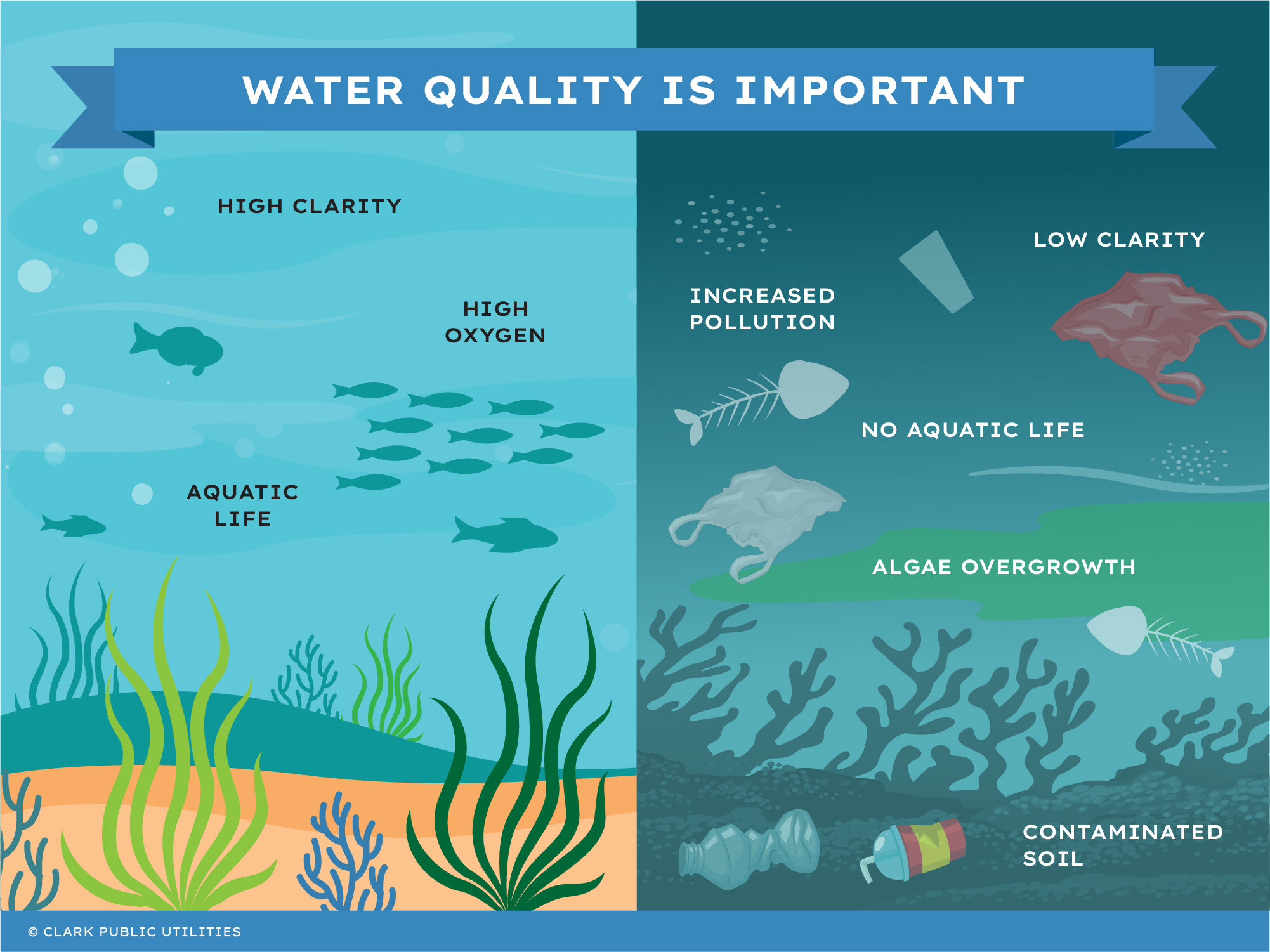 Water Quality Pollution The Different Methods Of Monitoring Water
The pH Party: Why 7 Is the Magic Number
Water’s acidity, or pH, is a spectrum from battery acid (0) to lye (14). Clean tap water usually sits comfortably at 6.5 to 8.5, a sweet spot where minerals dissolve and metal pipes don’t corrode. Naturally alkaline water? That’s just fancy spring water with a pH of 8 or 9—and zero proven health benefits for most people.
Yet the wellness world sells “alkaline” water like it’s a detox potion. Real talk: your stomach acid is a pH of 1.5 to 3.5. Pour in alkaline water, and your body instantly neutralizes it. It’s like trying to cool the sun with a garden hose.
What’s That Smell? (Spoiler: It’s Not Your Water)
Ever taste bleach or smell rotten eggs? The bleach is leftover chlorine—safe but cheeky. The rotten egg aroma? That’s sulfur bacteria chilling in your water heater, not the municipal supply. Flush the heater annually, and the smell vanishes like bad vibes at a spa.
And the cloudy glass of water that clears from bottom to top? That’s dissolved air escaping, not contamination. Pour a glass, wait two seconds, and it’s crystal clear. Mystery solved.
Practical Tips for the Perfect Sip
Start with a vessel check: glass or stainless steel keeps water clean; plastic bottles leach microplastics when left in a hot car. A simple activated carbon filter removes chlorine and improves taste without stripping minerals your body needs.
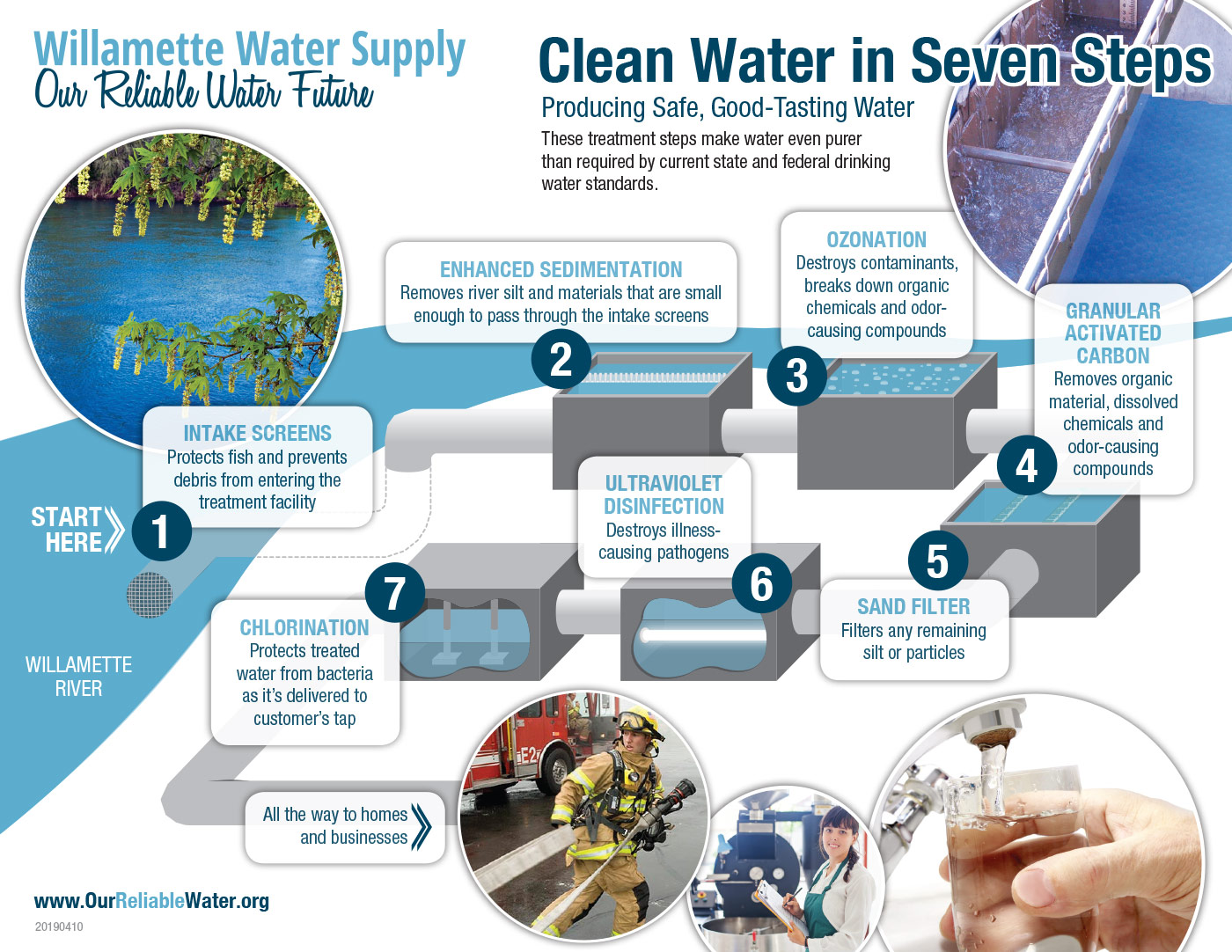 How Do I Clean My Water Filter at Edward Criss blog
Test your tap once a year. Home kits check for lead, chlorine, and hardness. If you get a “hard” water reading (over 120 ppm), your coffee maker and skin will thank you for a water softener. Hard water means more minerals, which means more scale—and less lather in your shampoo.
Fun fact: The most expensive bottled water, Beverly Hills 9OH, costs $100,000 per bottle. It’s sourced from Las Vegas and de-ionized. Meanwhile, your tap water costs less than a penny per gallon and goes through more daily tests than luxury brands.
The Cultural Water Code
In Japan, people sip water slowly at room temperature to aid digestion. In Paris, tap water is élégante—served in carafes at even the fanciest bistros. In New Delhi, you never drink from the tap unless it’s filtered, yet the same water is revered in traditional ceremonies.
And then there’s the great sparkling vs. still debate. Sparkling water is just tap water with carbon dioxide shot in. It’s no different, except for the bubbles that make your brain feel fancy. Drink what makes you happy.
The Final Reflection
Clean water is not a luxury. It is a complex, invisible infrastructure—a collaboration of glaciers, sand filters, and chemists—that arrives on demand. The next time you lift that glass, you’re drinking the results of a million tiny experiments that ended in safety.
We filter it, we flavor it, we bottle it in designer shapes. But the most radical thing you can do is drink from the tap. Not because it’s cheaper, but because it connects you—with a gulp—to the invisible system that keeps your life flowing. So go ahead. Sip slow. Trust the process. And maybe give your faucet a little nod of thanks.
