What Is Scale In Water

Let’s talk about scale. No, not the kind you step on after a big dinner. We’re talking about the annoying kind that hides inside your water. It’s that white, crusty stuff on...
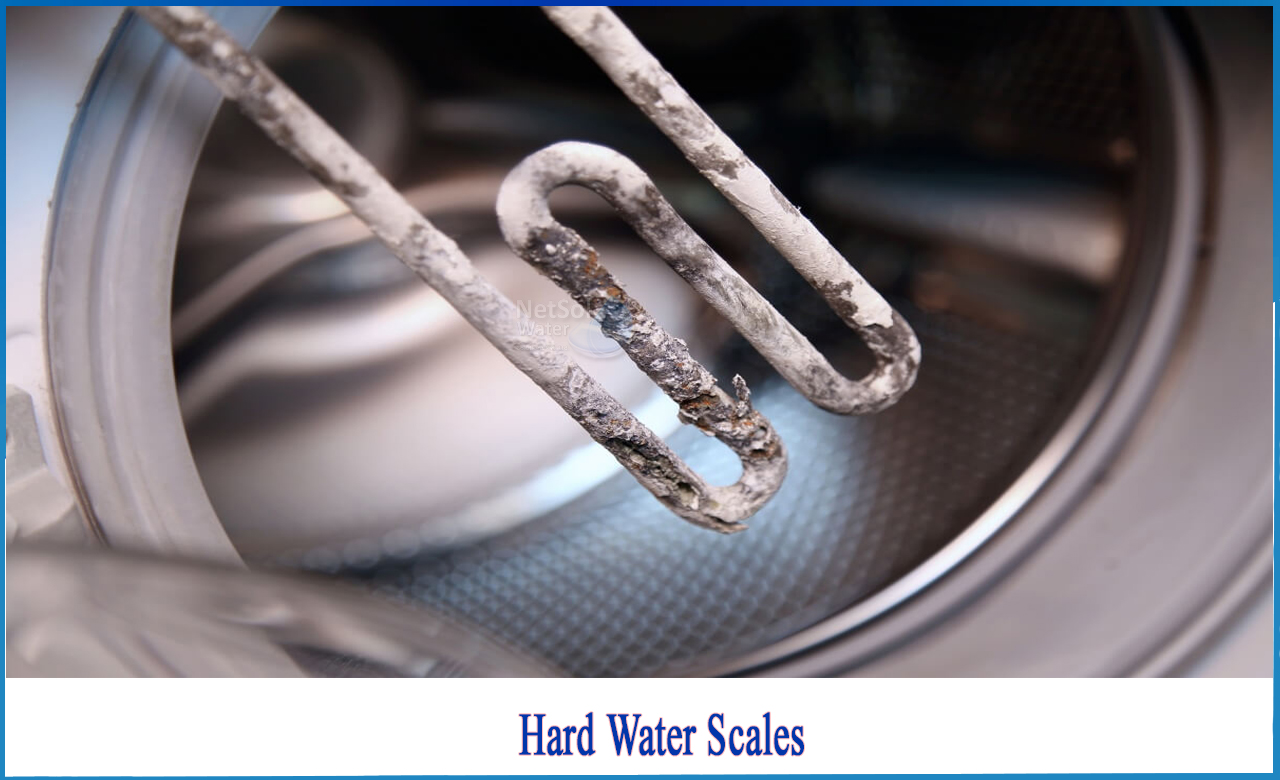
Let’s talk about scale. No, not the kind you step on after a big dinner. We’re talking about the annoying kind that hides inside your water.
It’s that white, crusty stuff on your faucet. The chalky film on your glass after a wash. It looks like a science experiment gone wrong, right?
But here’s the kicker: it’s super common. And it’s actually fascinating when you dig into the chemistry. Stick with me—it’s way more fun than it sounds.
Must Read
What even IS this stuff?
Scale is just calcium carbonate. Think of it as rock candy, but for water. When your water flows through underground limestone, it picks up calcium and magnesium ions.
These little guys are soluble—they stay dissolved in cold water. But heat them up, and they throw a party. They combine with bicarbonate and form solid crystals.
Boom: scale is born. Your kettle becomes a tiny crystal factory. Gross, but also kinda cool?
Imagine each flake as a miniature limestone stalactite. You’ve basically got a cave happening inside your pipes. Indoor geology.
The sneaky ways scale messes with you
Scale doesn’t just look ugly. It’s a thief. It steals heat from your appliances. A thin layer of scale makes your water heater work up to 20% harder.
That’s like running a marathon in a winter coat. Not efficient. Your coffee maker? It’ll start brewing slower, and your espresso will taste bitter.
Scale even clogs shower heads. You end up with a sad, weak drizzle instead of a spa-like spray. Your morning routine gets sabotaged by tiny mineral deposits.
Why is scale so hard to get rid of?
Because scale is stubborn. It doesn’t dissolve in water. You can scrub it, but it laughs at your sponge. It’s basically nature’s superglue.
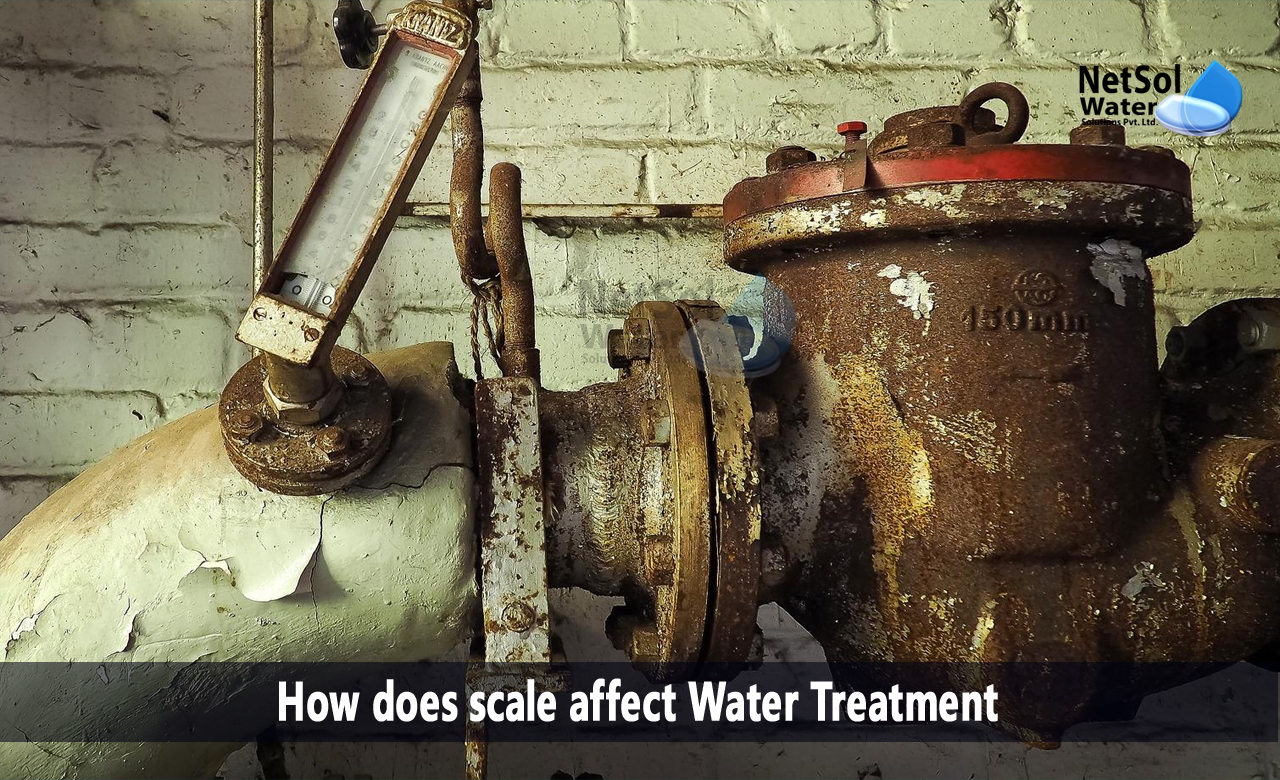 How Do You Remove Hard Water Scale From Pipes at Pat Gray blog
Acid is its arch-nemesis. Vinegar (acetic acid) and lemon juice (citric acid) react with calcium carbonate. They turn it into a soluble salt and carbon dioxide gas.
That fizzy sound you hear? That’s chemistry in action. It’s the scale screaming for mercy. Pour white vinegar down your kettle and watch the magic.
Funny facts that’ll make you the life of the party
In ancient Rome, they used calcium carbonate scale to make cement. They’d boil hard water and scrape the solid crust off the pots. Then they mixed it with volcanic ash to build aqueducts.
That’s right—your nasty kettle scale is a bucket of historical construction material. You’re literally sitting on a Roman building technique.
Also, scale can glow under UV light. Some minerals in hard water are fluorescent. So your bathroom might secretly be a disco when the lights go out. Party on, crusty faucet.
The great “hard vs. soft” water debate
Hard water has lots of minerals. It’s what causes scale. Soft water has been stripped of these ions, usually through a water softener that swaps calcium for sodium.
Soft water feels slick. It’s great for soap lather and saving your hair. But some people argue it tastes a bit like licking a salt lick.
Hard water enthusiasts say it’s healthier (extra calcium!). Soft water fans love the lack of crust. It’s the Coke vs. Pepsi of household utilities. Choose your side wisely.
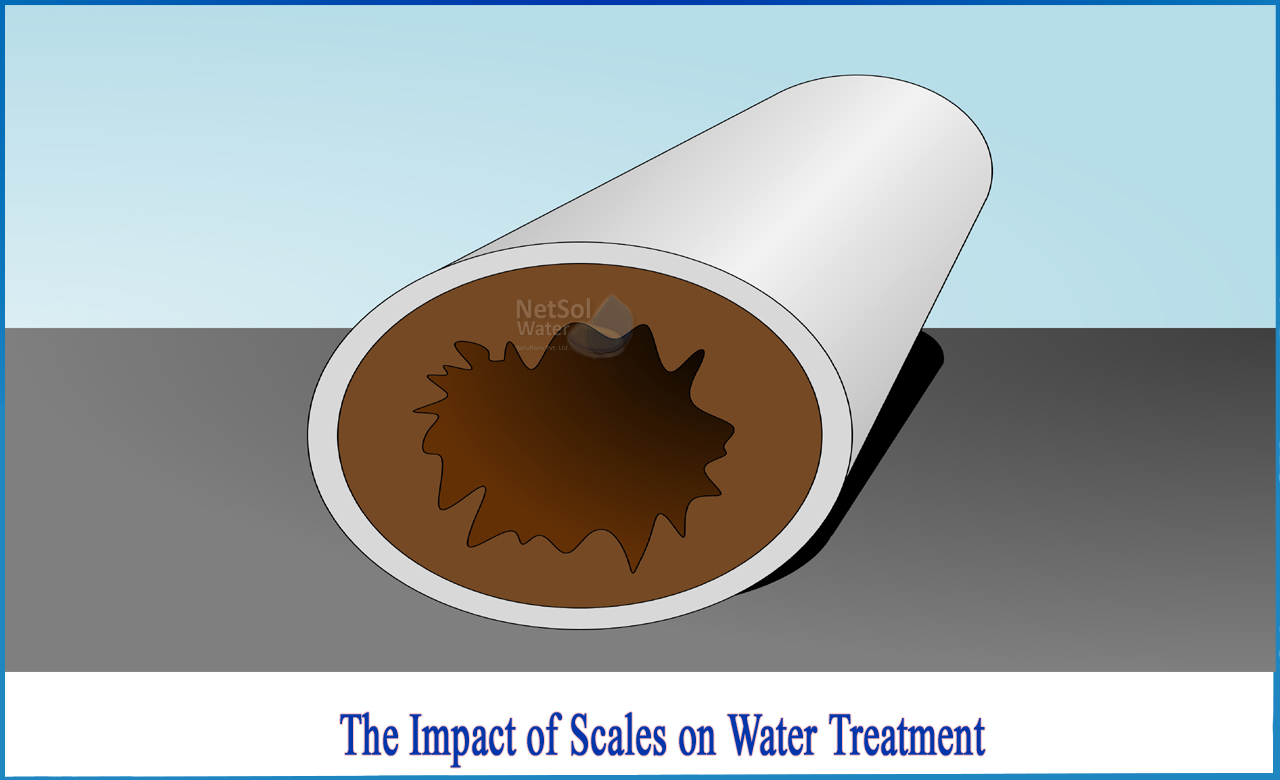 What Does Water Scale Look Like at Leo Bunker blog
Where does scale love to hide?
In your humidifier. It spews white dust everywhere. That’s not snow—it’s scale particles floating around your living room. Congratulations, you’ve turned your home into a mini quarry.
In your ice maker. Those cloudy ice cubes? That’s trapped scale and air bubbles. Perfectly safe, but not the crystal-clear cubes you see in fancy cocktails.
Even your fish tank can get scale. It builds up on the heater element. Your goldfish might think it’s a weird coral reef. Thanks, water chemistry.
Is scale dangerous?
Nope. You can drink scale. It’s just calcium, which you need for strong bones. Some bottled water brands even brag about having it.
But too much scale in your pipes? That’s a real problem. It can reduce water flow and cost you money in energy bills. Your wallet takes the hit.
So while it won’t hurt you, it will annoy you. And then you’ll find yourself scrubbing your shower door with a sour-smelling cloth. Welcome to adulthood.
The takeaway (without getting serious)
Scale is just water’s decoration. It’s what happens when H₂O gets a little too adventurous with rocks. Embrace the crust or fight it with vinegar—your choice.
Next time you see that white buildup, remember: you’re looking at a tiny, harmless geology project. It’s your very own indoor cave formation.
And if anyone asks you why your kettle is full of white flakes? Just smile and say, “That’s my artisanal limestone collection.” They’ll think you’re weird—and now you’ll know exactly why.
