What Is In Fizzy Water

You’ve probably noticed it—the collective shift from still water to the crisp, audacious hiss of the carbonated kind. Fizzy water, in all its sparkling, seltzer, and club soda...

You’ve probably noticed it—the collective shift from still water to the crisp, audacious hiss of the carbonated kind. Fizzy water, in all its sparkling, seltzer, and club soda glory, has officially become the unofficial drink of the modern wellness set. But have you ever paused, mid-sip, to ask yourself: what is actually in this bubbly elixir?
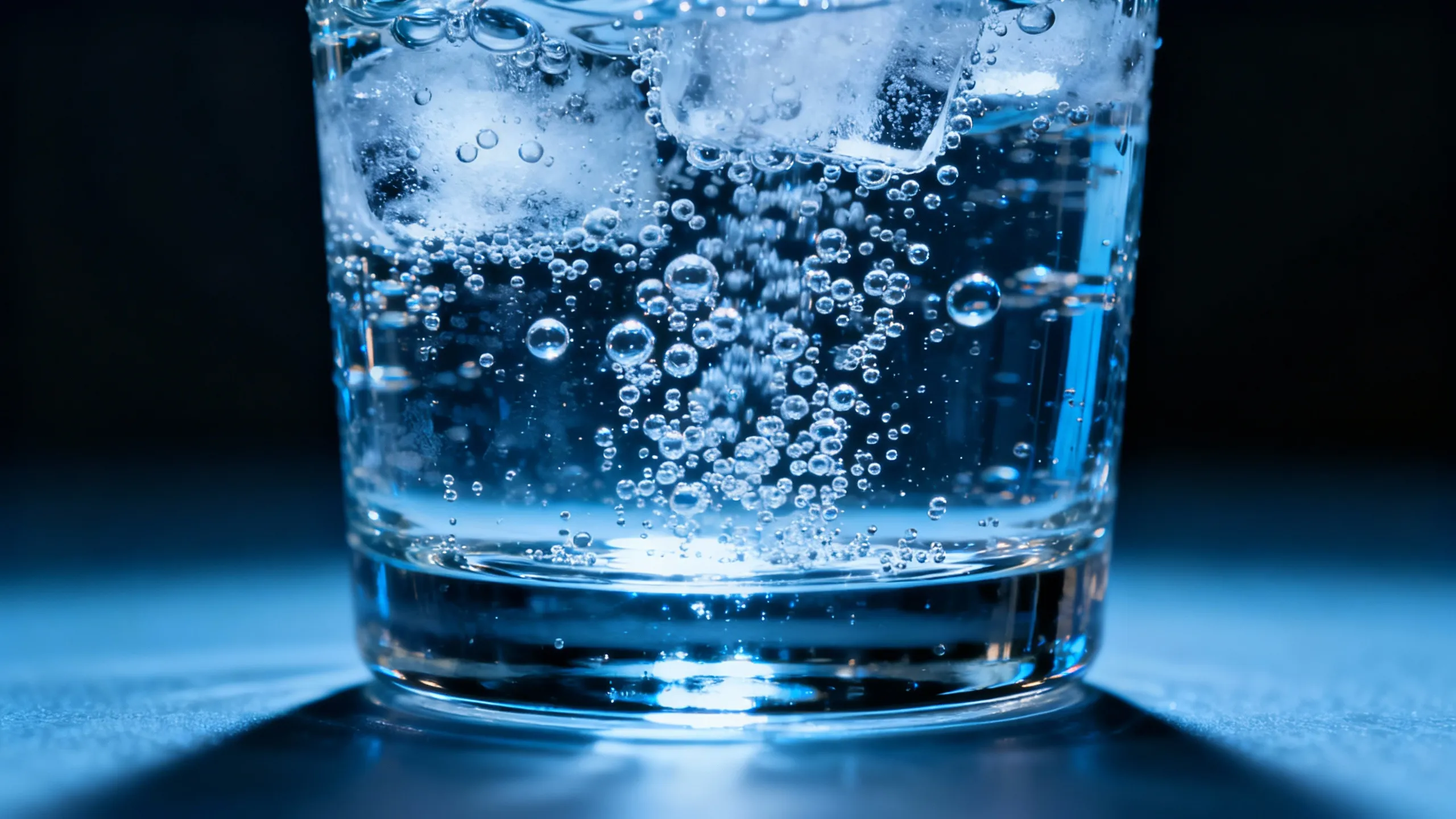
Let’s start with the obvious: the fizz. That delightful tingle comes from carbon dioxide gas, forced into the water under pressure. When you pop the seal, the pressure releases, and the CO₂ forms tiny bubbles that rise and pop on your tongue. It’s essentially a science party in a can.
But here’s where it gets interesting: not all fizzy waters are created equal. True sparkling mineral water, like Perrier or San Pellegrino, starts with natural spring water that already contains minerals like calcium, magnesium, and potassium. Seltzer water, on the other hand, is just tap water with added carbonation—pure, clean, and mineral-free.
Must Read
The Secret Ingredients: Minerals and Flavor
Club soda, that old-school bar staple, takes things a step further. It often includes added minerals like sodium bicarbonate, potassium sulfate, or sodium chloride. That’s why it has a slightly salty, more complex taste than regular seltzer. Fancy, right?
Then there’s tonic water—the misunderstood cousin. While it looks like fizzy water, it contains quinine, a bitter compound from the cinchona tree, plus a generous amount of sugar or high-fructose corn syrup. A single glass can have as much sugar as a soda. Not exactly the health halo you were hoping for.
Cultural Rituals and the Rise of the Spindrift
Remember when ordering a “seltzer” in a New York deli got you a knowing nod? That’s because fizzy water has deep cultural roots. In Europe, sparkling water is often considered the default—order “water” in Paris, and you’ll likely get a bottle of Badoit or Vichy Catalan. It’s a statement of sophistication, hydration, and mild rebellion against the still.
Now, we’re in the golden age of flavored sparkling water. Brands like LaCroix, Spindrift, and Bubly have turned a simple drink into a lifestyle accessory. Spindrift even dares to add a splash of real fruit juice, making it the “cool indie band” of the category. The ingredients? Carbonated water, a squeeze of lime or raspberry, and nothing else.
 AI ASMR Generator — Instant Audio and Video
Fun fact: humans have been drinking carbonated water since the 18th century. Chemist Joseph Priestley invented it by suspending a bowl of water over a vat of fermenting beer. He basically hacked the beer-making process to create the world’s first soda stream. You’re welcome, influencers.
Practical Tips for the Fizzy-Curious
If you’re watching your sodium, skip the club soda. A single can can pack 50–75 milligrams of sodium, while seltzer or mineral water usually has none. Check the label—if you see “sodium bicarbonate” or “salt,” you’re drinking club soda in disguise.
Want to upgrade your home hydration? Try this: add a slice of cucumber or a sprig of rosemary to plain seltzer. It sounds like a spa menu item, but it’s genuinely refreshing and costs pennies. For a zero-calorie kick, muddle a few mint leaves and a wedge of lime.
Another insider tip: use sparkling water for your morning smoothie. The bubbles add a light, airy texture that makes your green drink feel like a sophisticated cocktail. Just blend gently so the fizz doesn’t escape in a dramatic foam explosion.
 Paper Boat Zero Lemon Lime Sparkling (Fizzy) Water Pack of … | Price
The Dental Debate and the PH Factor
Here’s the real talk: carbonated water is slightly acidic, with a pH around 4 to 5 (plain water is 7). That’s enough to raise eyebrows in the dental community. But fear not—research shows it’s about 100 times less erosive than soda. Just don’t sip it all day like a hummingbird; drink it with meals to minimize contact with your enamel.
If you add lemon or lime, the acidity increases slightly. A clever hack? Use a straw. It directs the liquid past your teeth, reducing the acid’s contact time. Your dentist will thank you, and you’ll look like you’re at a summer pool party.
A final fun fact: fizzy water can actually help with digestion. The carbonation may stimulate the nerves in your stomach, encouraging gastric juices to flow. Some studies suggest it can even relieve constipation—though it might also cause a bit of bloating. It’s a trade-off, but a worthy one.
So what is in fizzy water? It’s a mix of science, history, and a dash of personal style. Whether you prefer the mineral complexity of a European import or the clean simplicity of a store-brand seltzer, you’re drinking a beverage that’s been reinvented for our times.
As you reach for that next can, remember this: in a world of constant noise, fizz is a small act of celebration. It’s a thumbs-up to the ordinary, a promise that even plain water can be a little bit exciting. So go ahead, crack open a cold one. Your daily life just got a little more effervescent.
