What Is Taste Of Water

Let’s be honest for a second. When someone asks what water tastes like, your first instinct is probably to say nothing at all. It’s just… wet, right? You grab a glass from the...
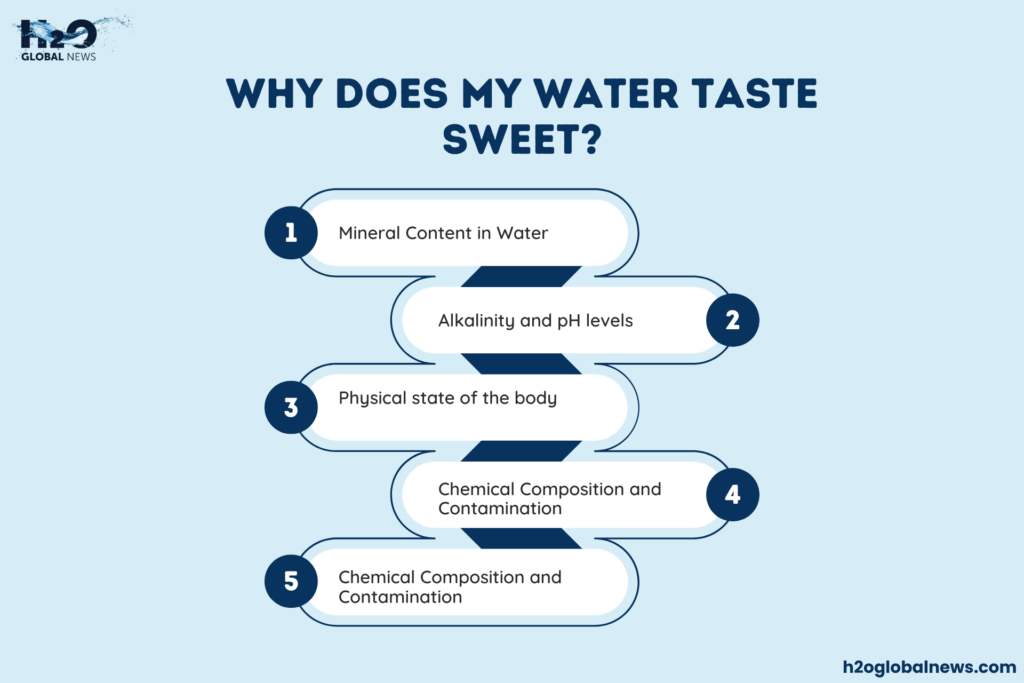
Let’s be honest for a second. When someone asks what water tastes like, your first instinct is probably to say nothing at all. It’s just… wet, right? You grab a glass from the tap, chug it down, and get on with your day. But stop and think about that last sip you took. Was it really flavorless? Or did it have a little something—a tiny hint of something—that you never quite put your finger on?
The truth is, water does have a taste. It’s just a really, really shy one. Unlike a loud, punchy soda or a bitter cup of coffee, water is that quiet friend in the corner who has a lot to say once you listen. And once you start paying attention, you’ll realize that not all water tastes the same. It’s a whole universe of subtle flavor hiding in plain sight.
It’s All About What’s Hiding Inside
Think of water as a master sponge. As it falls as rain and travels through rocks, soil, and pipes, it picks up tiny bits of minerals and gasses. These little hitchhikers are what give water its personality. That’s why the water from your aunt’s house in the countryside tastes completely different from the water at the gym.
Must Read
Minerals like calcium and magnesium add a smooth, almost creamy feel. Iron can make it taste a bit metallic—like you’re licking a penny. And chlorine? Well, that’s the pool-water ghost that shows up in many city taps. Your tongue is actually a fantastic detective for these tiny clues.
The Great Tap vs. Bottle Debate
Have you ever done a blind taste test with friends? It’s hilarious. You pour a glass of tap water and a glass of fancy spring water, and suddenly everyone becomes a water sommelier. “Oh, this one has a crisp finish,” your buddy might joke. But here’s the kicker: most people can tell the difference.
Water that sits in a plastic bottle for too long can take on a faint, plasticky flavor. Water from a filter tastes cleaner and “blanker,” which some people love. And well water? It often has that earthy, mineral snap that makes you feel like a pioneer every time you take a sip. It’s all about what memory your tongue associates with “clean.”
The Temperature Trick
Here’s a little secret: temperature is water’s best friend for flavor. Ice-cold water tastes “crisper” because the cold numbs your taste buds just enough to hide any weirdness. That’s why soda companies push you to drink their drinks super cold—so you don’t taste the sugar crash. Room temperature water, on the other hand, lets all those subtle minerals sing.
 Taste and Smell of Water Explained - YouTube
I once heard a chef say that the best way to judge a restaurant is to order a glass of room-temperature tap water. If it tastes good, the kitchen cares about everything. If it tastes like dirt and rust, run for the hills. That’s a pizza joint I now avoid, by the way. He was right.
Why Should You Even Care?
You might be thinking, “Okay, fine, water has a taste. So what? I’m still going to chug it and move on.” And fair enough! But caring about the taste of water is actually about caring about your own health and happiness in a sneaky way. If your water tastes bad, you drink less of it. You reach for a sugary juice or a soda instead.
When water tastes good—like that perfect, clean, refreshing sip from a mountain spring—you suddenly want to drink it by the gallon. You feel more energetic, your skin looks happier, and your brain just works better. It’s the smallest upgrade to your life that costs almost nothing. All you have to do is find water that you love.
How to Play the Water Flavor Game
Ready to become a water connoisseur in your own kitchen? It’s easy and actually kind of fun. First, grab a glass from your tap and let it sit for a minute. That lets the chlorine smell float away. Then take a slow sip and hold it on your tongue. Does it feel heavy or light? Does it have a sharp bite, or is it soft like a pillow?
 Distilled Water Versus Filtered Water: What’s the difference? - SMD.com
Now, do the same with a glass of filtered water or a brand of bottled water you haven’t tried. Compare them. You’ll start to notice that one feels “rounder” and the other feels “pointy.” I’m not making this up. It’s like comparing a smooth jazz saxophone to a crisp pop song. Both are water, but they have a different vibe.
Your Water, Your Story
Here’s the most relatable part: the taste of water is also about memory. Think about the water you drank after a long run in the summer heat. That specific taste of plastic bottle and sweat never tasted so good, did it? Or the water from your childhood garden hose—rubbery, warm, and absolutely magical. That wasn’t just water. It was a moment.
When you care about the taste of water, you’re really caring about the connection between what you drink and how you feel. It’s a tiny act of mindfulness. Next time you pour a glass, take a second. Smell it. Sip it. Let it sit on your tongue. Ask yourself: is this water happy? And more importantly, does it make you happy?
You might just discover that the most common thing in the world is also the most interesting. Go ahead. Take a sip. I bet it tastes different than you remembered.
