What Is The Water Test

So, you think you know water? You’ve been drinking it, bathing in it, and occasionally crying into it after a bad breakup. But do you really know what’s lurking in that glass?...
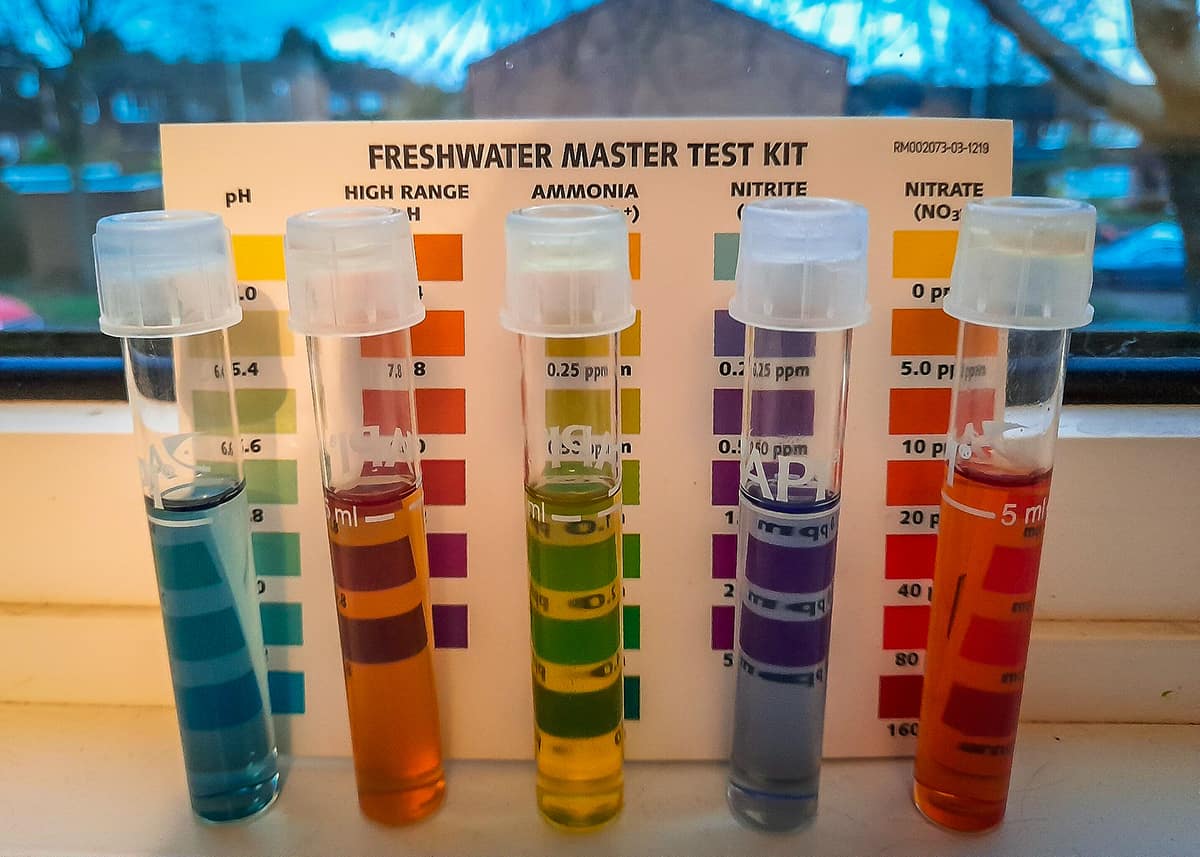
So, you think you know water? You’ve been drinking it, bathing in it, and occasionally crying into it after a bad breakup. But do you really know what’s lurking in that glass? Enter the Water Test, the scientific equivalent of a bad-tempered bouncer who checks your ID, your vibe, and your criminal record before letting you into the club.
What Even Is a Water Test?
Imagine a detective, but instead of finding a missing cat, it’s hunting for microscopic freeloaders. A water test is a laboratory analysis that figures out exactly what’s swimming, floating, or dissolved in your tap, well, or bottled water. It’s like a blood test for your plumbing, except way less painful (and with fewer needle pricks).
We’re talking about checking for things like bacteria, lead, chlorine, pesticides, and even microscopic critters that are basically the paparazzi of the microbial world. If your water had a Facebook profile, this test would be its creepy detailed “Relationship Status.”
Must Read
Why Bother? Isn’t Water Just… Water?
Ha! That’s adorable. You think water is just H2O? Sweet, naive summer child. Your “clear” glass of water might actually be a riotous party of heavy metals and rotten-egg sulfur. One study found that about 10% of private wells in the US contain unsafe levels of arsenic. That’s not a spice, folks. That’s poison.
Here’s a surprising fact that will ruin your next sip: Your tap water can legally contain tiny amounts of things like uranium, cyanide, and fecal matter. Don’t panic—the government sets limits! But “trace amounts of poop” is still not something you want floating in your morning coffee. That’s why you test.
The Usual Suspects: What the Test Finds
First up: pH levels. That’s just a measure of how acidic or basic your water is. If it’s too acidic, it’s basically battery-lite, and it will chew through your metal pipes like a hyperactive beaver. If it’s too basic, it tastes like you licked a chalkboard.
Then there are total dissolved solids (TDS). That’s a fancy term for “crud that you can’t see but is definitely there.” High TDS means your water is heavy with minerals (not the spiritual kind), which can turn your ice cubes foggy. It’s not dangerous, but it’s like finding out your hero has bad breath.
 Water Testing: Key to Ensuring Safe Drinking Water | ETA
And the real villains: coliform bacteria and E. coli. If these pop up on your test, your water is literally hosting a biological rave, and you are not on the guest list. Suddenly, that hot shower feels less like self-care and more like a hostage situation.
The Home Test Kits (Or: “I Can Do This Myself, Right?”)
Ah, the home test kit. You buy it for $15 at the hardware store, and it comes with one tiny vial and a piece of paper that turns purple. It’s the IKEA furniture of science: simple in theory, infuriating in practice. You will likely spill half the sample on your counter and then wonder if your kitchen floor is now potable.
These kits are great for a very quick check—like if your water smells like a swimming pool (too much chlorine) or a swamp (hello, sulfur). But for a real deep dive? You need a professional lab. They have machines that cost more than your car, and they won’t accidentally drop the test tube into the sink.
The Professional Lab: Where Science Gets Brutal
Sending your water to a lab is like sending a DNA sample to a crime show. You fill a sterile bag, mail it in a special box, and wait. A week later, you get a PDF that reads like a horoscope for your plumbing. It will tell you everything: arsenic, lead, nitrates, even if there’s a hint of radon (yes, radioactive gas can dissolve in your water—cool, right?).
Here’s the kicker: Bottled water is tested less frequently than tap water. The bottled stuff often comes from the same municipal sources, just with a markup and a fancy label. So that “glacier water” you paid $3 for might be Detroit tap with a splash of marketing. Test it. I dare you.
 How to Test Water Quality at Home: Your Complete Guide – World Water
When Should You Panic (I Mean, Test)?
If your water tastes like metal, leaves orange stains on your sink, or makes your hair feel like straw, test it immediately. Also test if you have a private well (because that water comes straight from the dirt’s mouth), if you’ve smelled a weird odor, or if your pipes were installed during the Nixon administration.
Do it after heavy rainfall too—because groundwater loves to invite mud and manure to the party. And for the love of hydration, test every year. That’s not a suggestion; that’s a barely-disguised threat from your local health department.
The Results: What Now?
If the test returns a clean bill of health, congratulations! You have royalty-grade hydration. Go flex on your neighbors. But if it finds something nasty, don’t panic. You can install a water filter (reverse osmosis, carbon, or a whole-house system) that’s basically a high-tech bouncer kicking out the riffraff.
One last surprising fact: Ancient Romans tested their water by throwing slaves into the well first. If the slave got sick, they didn’t drink it. We’ve come a long way—now you can just mail a tube of your urine (I mean, water) to a lab. Much more civilized. And way less messy.
So go on. Run the test. Your future self—hydrated, un-poisoned, and smugly informed—will thank you. Cheers!
