What Is A Pfa Chemical

Okay, let’s talk about something weird floating around in the world. It’s called a PFA chemical, and it sounds like a sci-fi villain, right? But it’s actually a fascinating, s...
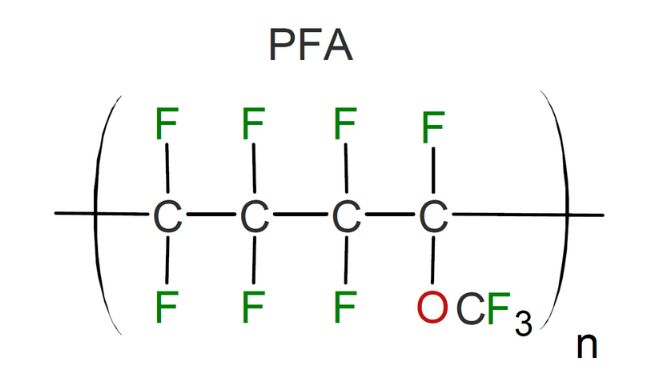
Okay, let’s talk about something weird floating around in the world. It’s called a PFA chemical, and it sounds like a sci-fi villain, right? But it’s actually a fascinating, slightly spooky piece of modern chemistry. You’ve probably even used it today without knowing.
So, what is a PFA? It stands for perfluoroalkyl and polyfluoroalkyl substances. Mouthful, isn’t it? Think of them as a giant family of man-made chemicals that are incredibly good at resisting water, grease, and stains. They’re the reason your rain jacket actually repels rain and your pizza box doesn’t turn into a grease puddle.
The Invisible Superheroes of Everyday Stuff
Here’s the cool part: PFAs are like the nano-armor of the material world. They bond to surfaces at a molecular level, creating a force field that nothing sticky can penetrate. That’s why non-stick pans work so beautifully.
Must Read
Ever wonder how fast-food wrappers keep your burger bun from turning into a soggy mess? Yep, often it’s PFAs. They’re also in waterproof mascara, stain-resistant carpets, and even some dental floss. It’s honestly impressive engineering, if you ignore the baggage.
Why They’re Called “Forever Chemicals”
Here’s where it gets interesting and a little wild. The bond between carbon and fluorine in a PFA is insanely strong. It’s one of the strongest in all of chemistry. So strong, in fact, that these molecules don’t naturally break down in the environment.
They stick around for hundreds or even thousands of years. That’s why scientists call them “forever chemicals.” Imagine tossing a plastic spoon into a lake that just… never dissolves. That’s a PFA in nature, but invisible and way more persistent.
How Did They Get Everywhere?
Think about it: we’ve used these in everything from firefighting foam to your couch’s stain guard. They rinse off, get into water, and once they’re out, they travel. Rain, rivers, even Arctic ice now carries traces of PFAs.
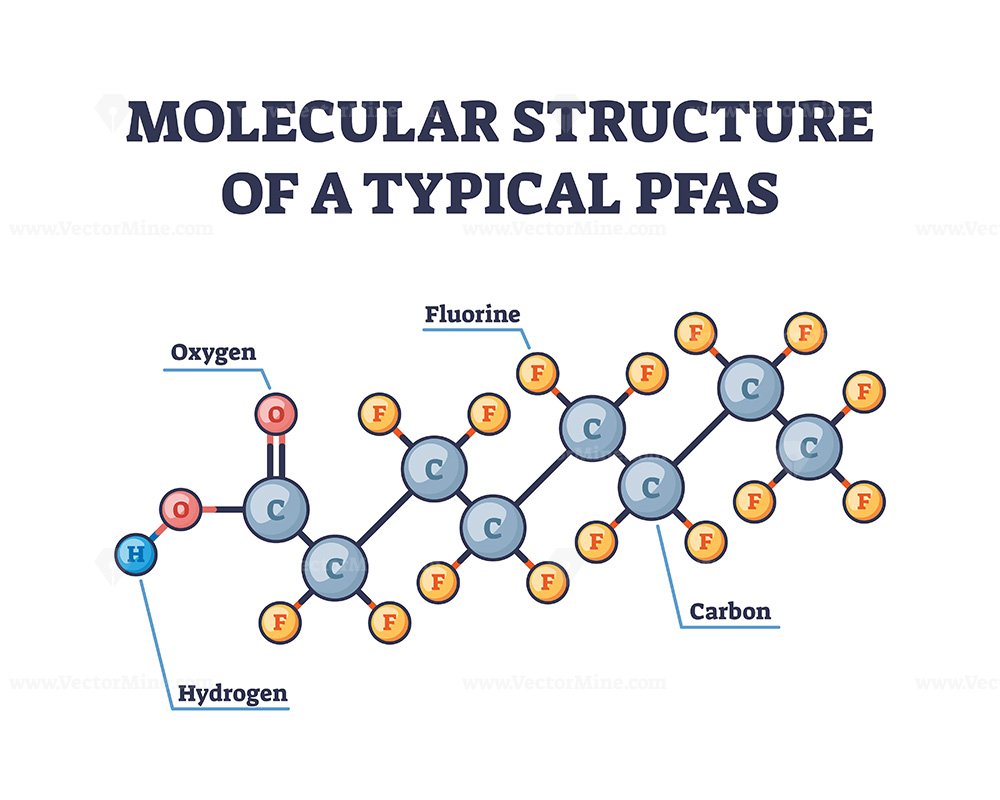 PFAS molecular structure shows carbon-fluorine bonds, illustrating
It’s like we accidentally built a slow-moving, chemical confetti cannon. And because they don’t degrade, they just accumulate. The result? They’re now found in the blood of nearly every person on Earth. Yes, including yours and mine.
Is That Actually Scary?
Honestly, a little bit. Scientists are still studying the effects, but high levels have been linked to some health issues—things like thyroid problems or impacts on immune systems. But don’t panic! For most of us, the tiny amounts are considered low risk.
It’s more of a “let’s be smart about this” situation. Think of it like salt: a little is fine, but a huge pile is a problem. The real issue is that they don’t ever go away, which makes them a fascinating but tricky puzzle for chemists.
The Cool Quest for a Cleaner Future
Here’s the hopeful part: scientists and companies are now racing to find PFA alternatives. Some are developing new molecules that do the same job—making things water- and grease-resistant—but that break down safely in nature. It’s like upgrading from fossil fuels to solar power, but for chemistry.
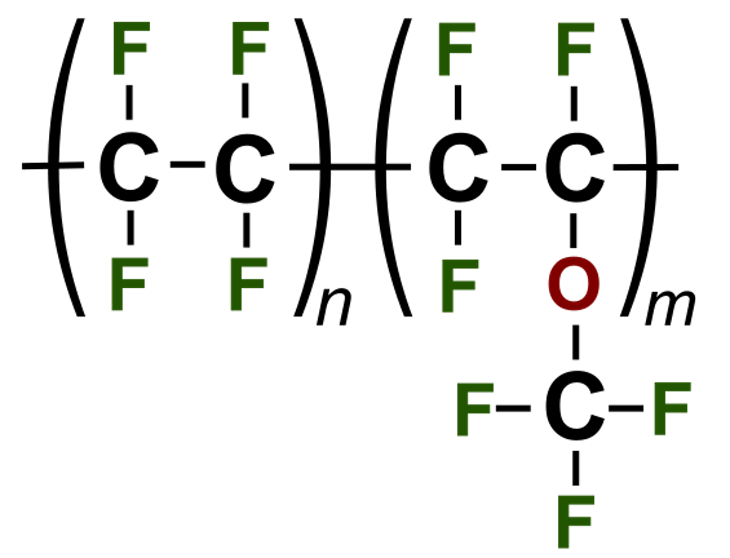 What's the Difference Between PTFE, FEP, and PFE? | PTFE, FEP vs PFE
Others are figuring out how to filter PFAs out of water with special activated carbon or high-tech membranes. It’s a chemical detective story, and the good guys are clever. The coolest fact? A few researchers found a way to destroy PFAs using ultraviolet light and ultrasound. How sci-fi is that?
So, Should You Be Worried?
Not panicked, but maybe curious. The best approach is to be a smart consumer. Look for cookware labeled “PFOA-free” (a common type of PFA). Consider switching to stainless steel or cast iron for cooking if you’re concerned.
And honestly, don’t obsess over your rain jacket—it’s a helpful tool. The big takeaway is: PFAs are a fascinating human invention that taught us a huge lesson. We can make amazing materials that solve problems, but we must also think about their long goodbye.
Next time you see a water droplet bead up on a leaf or your jacket, just pause. That tiny, shiny bead is a little miracle of chemistry. And now you know why it might stick around way longer than you do. Pretty wild, right?
