What Is In Still Water

Have you ever poured a glass of water and just stared at it? I mean, really looked. That clear, quiet liquid sitting in your cup isn’t as simple as it seems. It’s like a tiny,...

Have you ever poured a glass of water and just stared at it? I mean, really looked. That clear, quiet liquid sitting in your cup isn’t as simple as it seems. It’s like a tiny, invisible world, and the stuff inside it is surprisingly fascinating.
The Not-So-Boring Basics
First, the obvious: still water is mostly H₂O. But that’s like saying a forest is mostly trees—technically true, but you’re missing the good stuff. The interesting part is what else hitches a ride in that water.
Think of it like a very, very mild soup. You wouldn’t taste the ingredients, but they’re there, doing their quiet jobs. Minerals, for instance, are the unsung heroes of your tap or bottled water.
Must Read
The Mineral Squad
Calcium, magnesium, and potassium are the most common guests. They don’t party loud, but they make your water taste clean or crisp instead of flat. Ever notice how a fancy French bottle tastes different from your tap? That’s the mineral profile showing off.
These minerals also help your body—calcium for bones, magnesium for your muscles. So that glass you’re chugging is actually doing a little backup dance for your internal systems. Pretty cool, right?
The Invisible Ecosystem
But wait, there’s more. Still water is a home for tiny life you can’t see with your eyes. We’re talking bacteria, algae spores, and microscopic organisms. Before you freak out—most are completely harmless and natural.
Think of them as the neighbors in the water’s apartment building. They just exist, doing their micro-things, and they don’t bother you at all. The treatment plants make sure the bad ones are kicked out before it reaches your glass.
 Why Drinking Still Water Matters More Than You Think - Reportsmonitor
Dissolved Gases: The Silent Bubbles
You know how still water isn’t fizzy like soda? That’s because it has less carbon dioxide dissolved in it. But it still holds other gases, like oxygen and nitrogen—just in tiny amounts.
This is why fish can breathe in still ponds. The oxygen is dissolved right into the water. So when you take a sip, you’re also drinking a whisper of the air around you. Mind-blowing, huh?
Why It’s Weirder Than You Think
Here’s a fun comparison: still water is like a lazy river on a calm day. It looks still, but underneath, molecules are constantly moving, bumping into each other, and trading places. It’s never truly static.
And the stuff dissolved in it can affect even your ice cubes. Have you ever noticed cloudy ice? That’s usually trapped minerals or air bubbles—a little snapshot of the water’s secret life. Pure water produces clear ice, but nature loves a little imperfection.
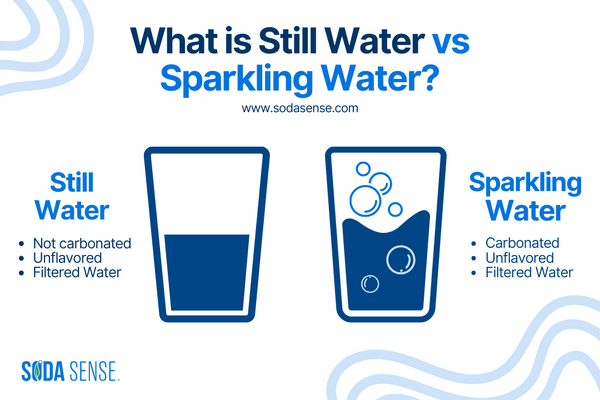 What is Still Water vs Sparkling Water? – Soda Sense
The Taste Factor
When you drink still water, your tongue is actually a detective. It picks up traces of sulfur, iron, or even chlorine (if it’s tap water). That’s why water from different places tastes wildly different—like how a lemon and a lime are both sour, but not the same.
Distilled water, which has nothing dissolved in it, tastes flat and metallic to most people. Why? Because our brains expect those minerals. Without them, water feels… boring. Like a song with no bass.
The Deepest Stillness
So, what is in still water? A generous pinch of minerals, a sprinkle of life, a dash of gas, and a whole lot of movement happening silently. It’s a quiet universe in a cup.
Next time you fill up a glass, take a slow sip and think about the tiny travelers inside. It’s not just water—it’s a little story of geology, biology, and chemistry, all chilling together. And it’s pretty awesome.
