How To Use A Ph Tester

Alright, grab your mug. We need to talk about pH testers. You know, that little gadget that looks like a thermometer from a sci-fi movie? Yeah, that one. Don’t be scared of i...
Alright, grab your mug. We need to talk about pH testers.
You know, that little gadget that looks like a thermometer from a sci-fi movie? Yeah, that one. Don’t be scared of it. I promise it’s not as intimidating as it looks.
Think of it this way: your mouth is basically a pH tester. Too much lemonade? You pucker. Too much antacid? You feel weird. A pH tester just does that, but for everything else: your garden soil, your kombucha, your hot tub, your sourdough starter. It’s the ultimate tattle-tale on acidity.
Must Read
Why Bother? (Or: The Drama of Acidity)
Here’s the tea. Or, uh, the pH. Most plants and living things are dramatic princesses about their environment. They want it just so.
Too acidic (low pH)? Your blueberry bushes are happy, but your grass throws a fit. Too alkaline (high pH)? Your hydrangeas turn sad-pink. A pH tester stops the guessing game before you kill another fern. It’s cheaper than therapy, honestly.
Step 1: The Unboxing (Don’t Just Shove It in Dirt)
Okay, stop. You just ripped the box open. I see you.
First, read the instructions. Yes, the tiny paper you want to lose. Most testers come with a protective cap or a storage solution. Do not lose this cap. It’s the Keeper of the Glass Bulb. Without it, the sensor dries out and becomes useless—like a pen without ink.
Also, if it’s a new digital one, it probably needs a calibration. I know, “calibration” sounds like something NASA does. Calm down. You just dip it in a little packet of “buffer solution” (pH 7 or 4) and press a button. Do this. Every few weeks. Pretend it’s a tiny spa day for the gadget.
Step 2: The Dreaded “Probe Prep”
Rinse the probe with distilled water. Not tap water. Tap water has minerals that lie to the tester. It’s like putting a filter on a selfie—you get fake data.
 How Does A Ph Tester Work
Now, wipe it gently with a soft cloth. No scrubbing. This is not a stain on your carpet. The glass tip is fragile. Treat it like a newborn kitten made of glass. That sleeps on a bed of money.
Step 3: The Actual Test (Where Magic Meets Goo)
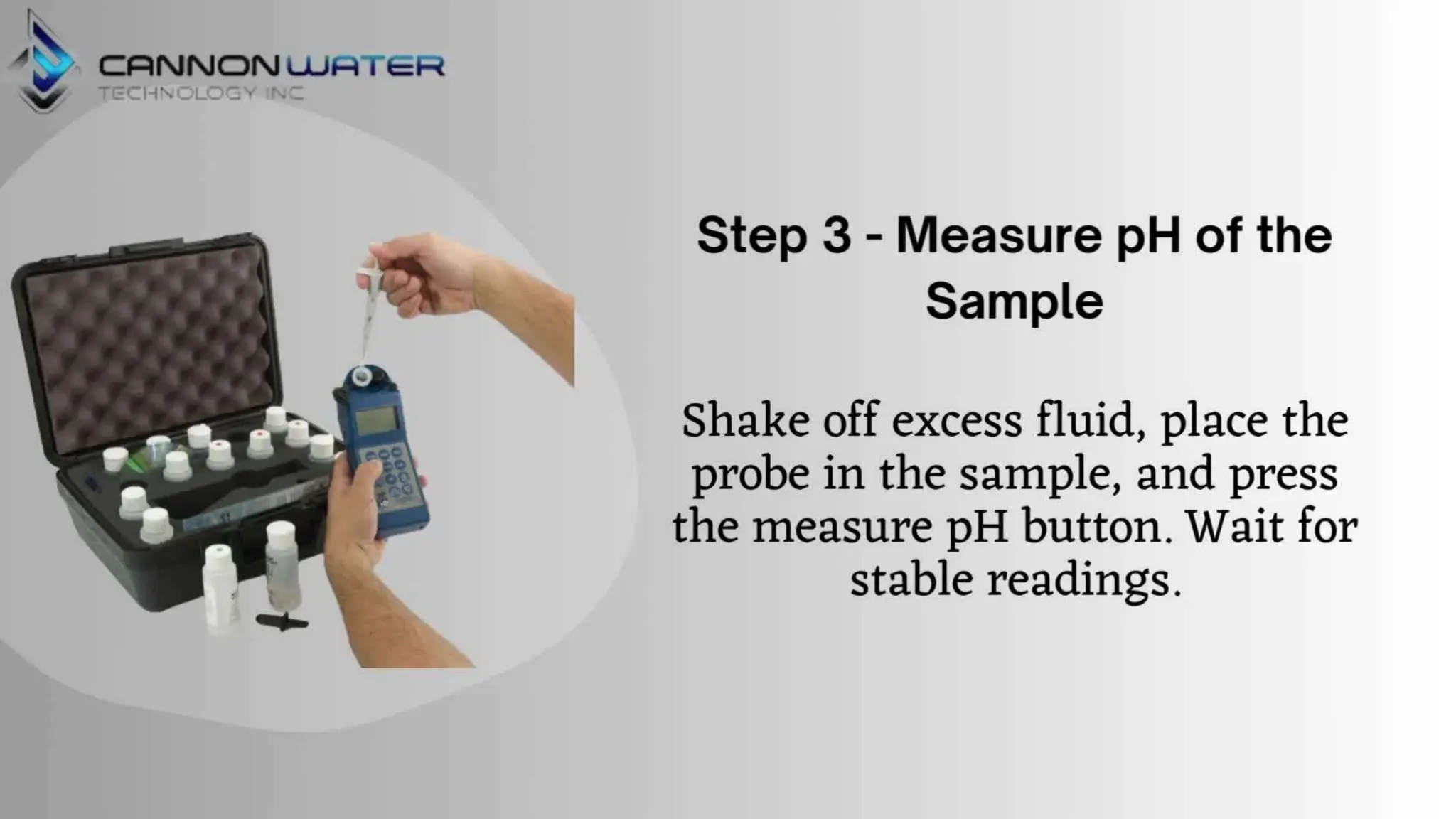
For liquids (ponds, kombucha, fish tanks): Just stir that probe in the liquid like you’re slowly mixing a potion. Wait for the number to stop bouncing around. It’s like watching a wheel of fortune—it will stop eventually. Usually 30–60 seconds.
For soil (your garden, your sad houseplant): First, dig a little hole. Don’t just poke the surface. Surface soil is a lazy liar. Go an inch or two down. Add a splash of distilled water to the hole. Make a “mud pie.” Yes, in your garden. Now stick the probe in the mud. Sorry for the mess.
For fermented foods (sauerkraut, kimchi): You’re a real adventurer. Just mash the probe into the brine. But do it fast—the cabbage bits are clingy. And never let the probe touch your metal stirring spoon. Metal causes electrostatic hysteria in the readings. Use plastic, or just your (clean) finger.
Step 4: Interpreting the Numbers (The “Is My Plant Dying?” Phase)
0–6.9 is acidic. That’s lemon juice, coffee, and battery acid (please don’t test battery acid). 7 is neutral (pure water, boring). 7.1–14 is alkaline (soap, bleach, some fancy mineral water).
Most plants like 6.0–7.0. Most humans like their pool water at 7.4. If your reading is 3.0, your soil is basically a pool of stomach acid. If it’s 9.0, your plant is living in a desert of chalk. Fix it! Add lime (for acid soil) or sulfur (for alkaline soil). But that’s a whole other coffee chat.
 How To Use A PH Tester and Calibration - Testing PH In Your Water - YouTube
Step 5: The Afterparty (Cleaning and Storage)
This is where amateurs fail. Do not just toss the tester back in the drawer like a dirty spoon.
Rinse the probe immediately with distilled water. Dry it. Put the protective cap back on. If the cap has a sponge inside, keep it moist with storage solution (or a few drops of distilled water). A dry sponge is a sad sponge. A sad sponge makes a dead tester.
And for the love of all that is acidic, never store the tester upside down. The liquid inside the probe will slosh into the electronics and ruin it. Store it upright, like a dignified butler.
A Few Last Pokes
If your readings jump around like a caffeinated squirrel, your battery is probably dying. Replace it. Yes, even the expensive ones have batteries that die.
If you spill coffee on it? Panic, but don’t cry. Wipe it gently. If you drop it in the pool? It’s probably dead. Sorry. Think of it as a noble sacrifice for science.
Finally: Don’t be perfect. pH is a guide, not a dictator. A 6.2 reading is fine for a tomato. A 7.8 reading won’t kill your lawn overnight. The tester is here to make you feel like a mad scientist, not to give you anxiety. So go test something weird. Your kombucha. Your rain. Your tears after a sad movie. You deserve to know the truth.
Now go forth and test. And maybe wash your hands afterwards. Just in case.
