How To Test Hard Water

So, you’ve noticed your dishes look like they’ve been in a snowball fight. Or your skin feels tighter than a drum after a shower. You, my friend, might be dealing with hard wa...
So, you’ve noticed your dishes look like they’ve been in a snowball fight. Or your skin feels tighter than a drum after a shower. You, my friend, might be dealing with hard water.
It’s a total buzzkill, I know. But before you go buying a whole-home filtration system, let’s figure out what you’re actually dealing with. Testing is way easier than you think.
The Shake Test (AKA the Party Trick)
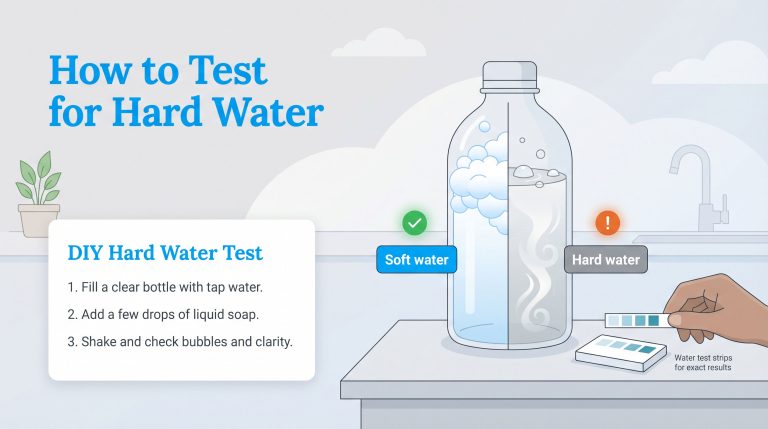
Grab a clean, clear bottle with a lid. A water bottle works great. Fill it about halfway with your tap water.
Must Read
Now, add a few drops of plain liquid soap. Not detergent—just soap. Screw the lid on tight and shake it like you’re making a margarita.
If the water gets super sudsy and cloudy, that’s soft water. Give yourself a pat on the back. But if it barely foams and looks flat? That’s hard water saying hello.
Why This Works (In Case You’re Curious)
Hard water is packed with calcium and magnesium. These minerals fight with soap, making it hard for bubbles to form. So if your “shake” looks sad and scummy, you’ve got hard stuff.
No, you don’t need to be a chemist for this. You just need a bottle and some dramatic arm movements.
The Spot Test (Your Glassware’s Revenge)
Take a clear drinking glass. Wash it normally, then let it air dry. Don’t wipe it.
When it’s dry, hold it up to the light. See those white spots and streaks? That’s mineral residue. It’s like your glass is wearing sunglasses made of rock.
If you spot a cloudy film that won’t rub off, congratulations—you’ve got hard water. Your glasses are literally turning into stone. But hey, at least they’re unique, right?
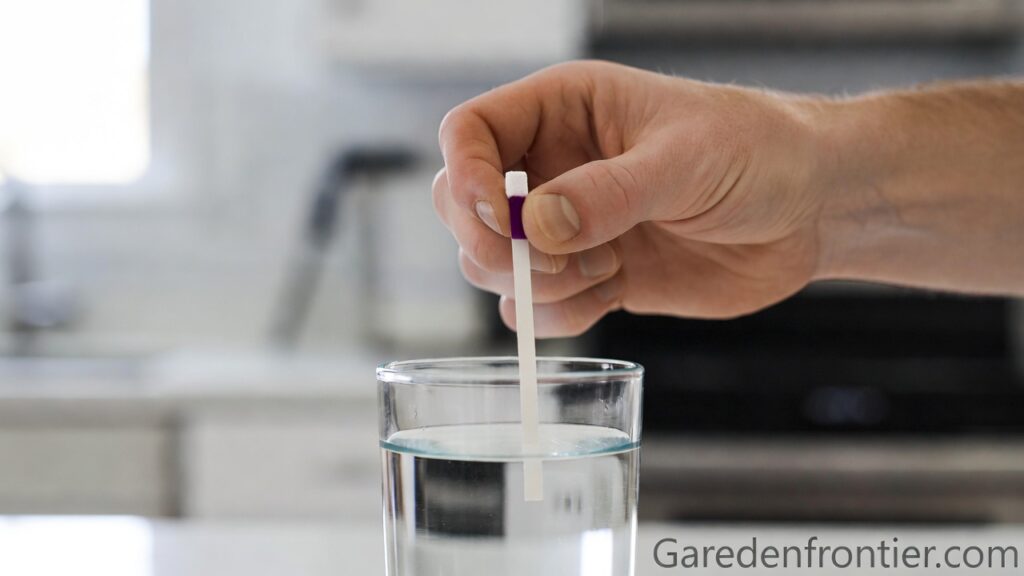 Water Hardness Test Strips: How to Read & Use Them (2026)
The “Feel” Factor (Weird but True)
Here’s a trick: after washing your hands, rinse them, and then don’t dry them. Rub your fingers together. Does your skin feel slippery and slick?
That’s actually normal. Soft water leaves a little soap behind. Hard water? It makes your skin feel sticky and filmy, like you’ve been wrestling a potato.
If your hands feel like sandpaper afterward, you’ve got hard water. Your lotion budget is probably crying already.
The Soap Scum Test (For the Brave)
Look at your shower door or bathtub. See that chalky, white buildup that seems to grow legs? That’s soap scum, and it’s hard water’s calling card.
Hard water and soap create a chemical reaction that makes a goopy, gray mess. It’s like science class, but grosser. If you’re scrubbing that stuff once a week, you’re probably living with hard water.
Bonus points if you find orange or rust-colored stains. That’s iron in the water. You might want to test for that too, but that’s a story for another coffee chat.
The Store-Bought Test (For Overachievers)
If you want to get fancy, grab a water hardness test kit from a hardware store. They’re cheap—like, five bucks cheap. You just dip a strip in water, wait a minute, and compare the color to a chart.
It’s basically a urine test, but for your faucet. Not exactly glamorous, but it works. The colors usually go from blue (soft) to red (hard), like a mood ring for H2O.
:max_bytes(150000):strip_icc()/how-to-test-for-hard-water-1824904-03-9b5001b74a284455a801b36fc03da539.jpg) How to Test for Hard Water
How to Test for Hard Water
Most kits give you a number in grains per gallon (GPG). Anything above 7 GPG is considered hard. Anything above 10? Welcome to the club; we have mineral-rich tears.
A Note on “Hard” vs. “Bad”
Let’s be real: hard water isn’t damage. It won’t make you sick. In fact, those minerals are technically good for your bones (if you drink them). But it’s a total pain for your appliances, pipes, and hair.
It can wreck your water heater and clog your coffee maker. And your hair? It’ll feel like straw with a side of static. So testing is the first step to fighting back.
If you have a water softener, you probably don’t need to test every week. But if your water tastes metallic or your laundry looks dingy, do the bottle shake test. It’s free, it’s fast, and it’s way more fun than reading an owner’s manual.
When to Call for Backup
If your test results are off the charts (like, 20+ GPG), you might need professional help. A plumber or water treatment specialist can tell you exactly what’s in your water. They’ll even test for pH and chlorine.
But for most of us, a simple shake or strip test is enough. You just want to know if you should buy a filter or just embrace the scum.
So go ahead. Raid your kitchen for a bottle. Shake that water like you’re mad at it. And then, when it flops, you can finally explain to your friends why your teacups look so… vintage.
You’re welcome. Now go drink some (hopefully not too hard) water.
