How To Solve Dry Scalp

Ever feel like a tiny snow globe is going off on your shoulders every time you wear a dark shirt? That little flurry of white flakes can be annoying, but it’s also kind of fas...
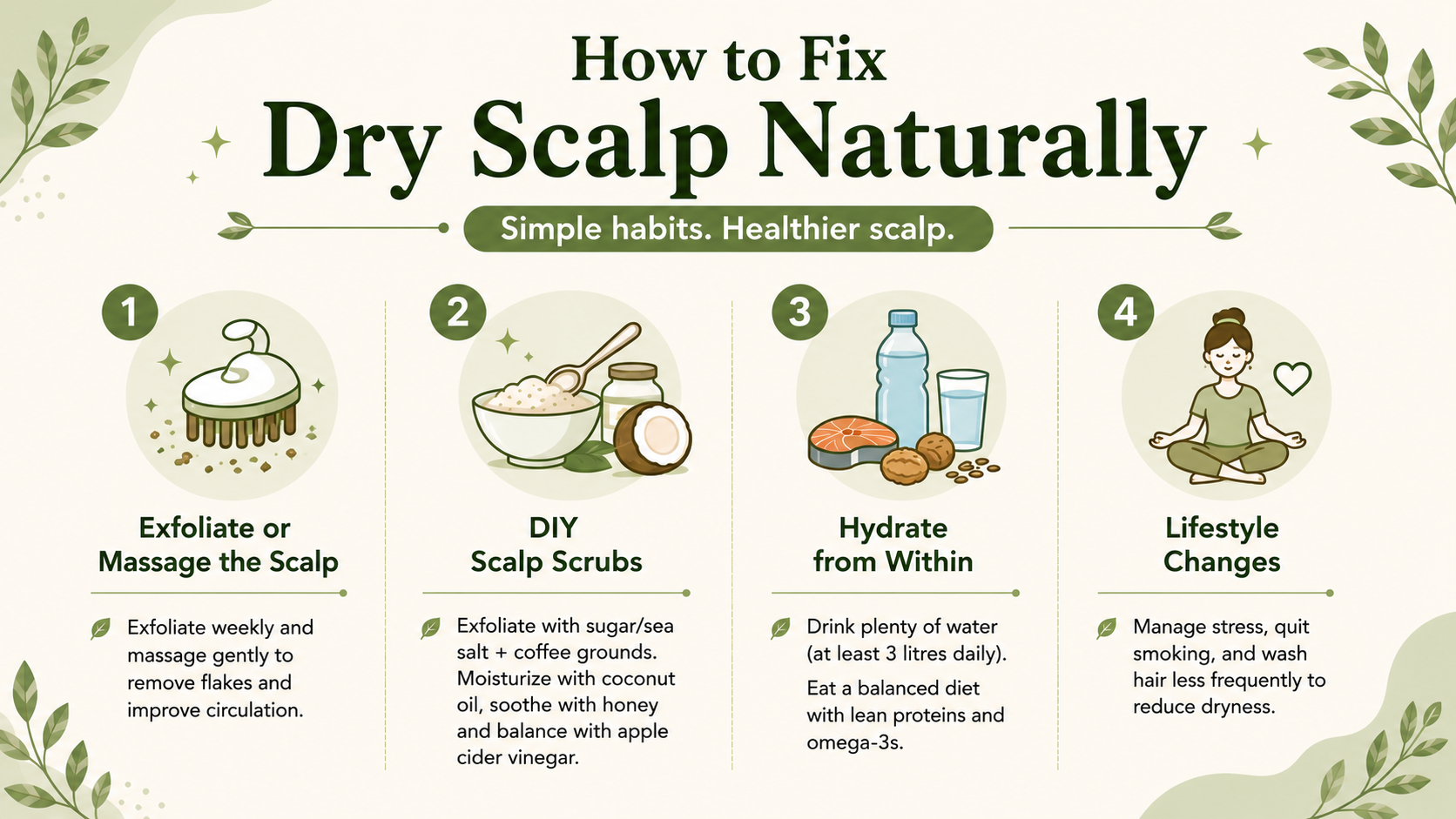
Ever feel like a tiny snow globe is going off on your shoulders every time you wear a dark shirt? That little flurry of white flakes can be annoying, but it’s also kind of fascinating. Dry scalp is basically your skin sending you a polite memo that it’s a bit thirsty or irritated. And the cool part? You can actually decode that memo and fix it without a science degree.
First, let’s clear up a common mix-up: dry scalp is not the same as dandruff. Think of dandruff as a greasy, oily party on your head, while dry scalp is more like a parched desert floor. Dandruff flakes are yellow and sticky, whereas dry scalp flakes are small, white, and dusty. Knowing which one you’re dealing with changes the whole game plan.
So, why does your scalp get dry in the first place? It’s often because you’re washing away all the good stuff. Hot showers feel amazing, but they can strip your scalp’s natural oils like a power washer. Harsh shampoos with sulfates are basically the same—they scrub so hard that your skin loses its moisture shield.
Must Read
Ease Up on the Suds
Here’s a wild thought: you don’t need to wash your hair every day. I know, I know—it sounds like heresy in a world of daily showers. But overwashing is the #1 culprit for dry scalp. Try stretching your wash day to every other day, or even just twice a week if you can stand it.
When you do wash, pick a shampoo that’s sulfate-free. Think of sulfates like industrial-strength dish soap for your head—they’re overkill. A moisturizing or hydrating shampoo is more like a gentle hand wash, leaving your scalp happy, not screaming for a drink.
Add the Good Stuff: Oils and Serums
Your scalp loves natural oils, so why not introduce them to some new friends? A few drops of jojoba oil or argan oil massaged into your scalp before a shower can work miracles. Jojoba is especially neat because it’s almost identical to your skin’s own sebum—it’s like a handshake between two old pals.
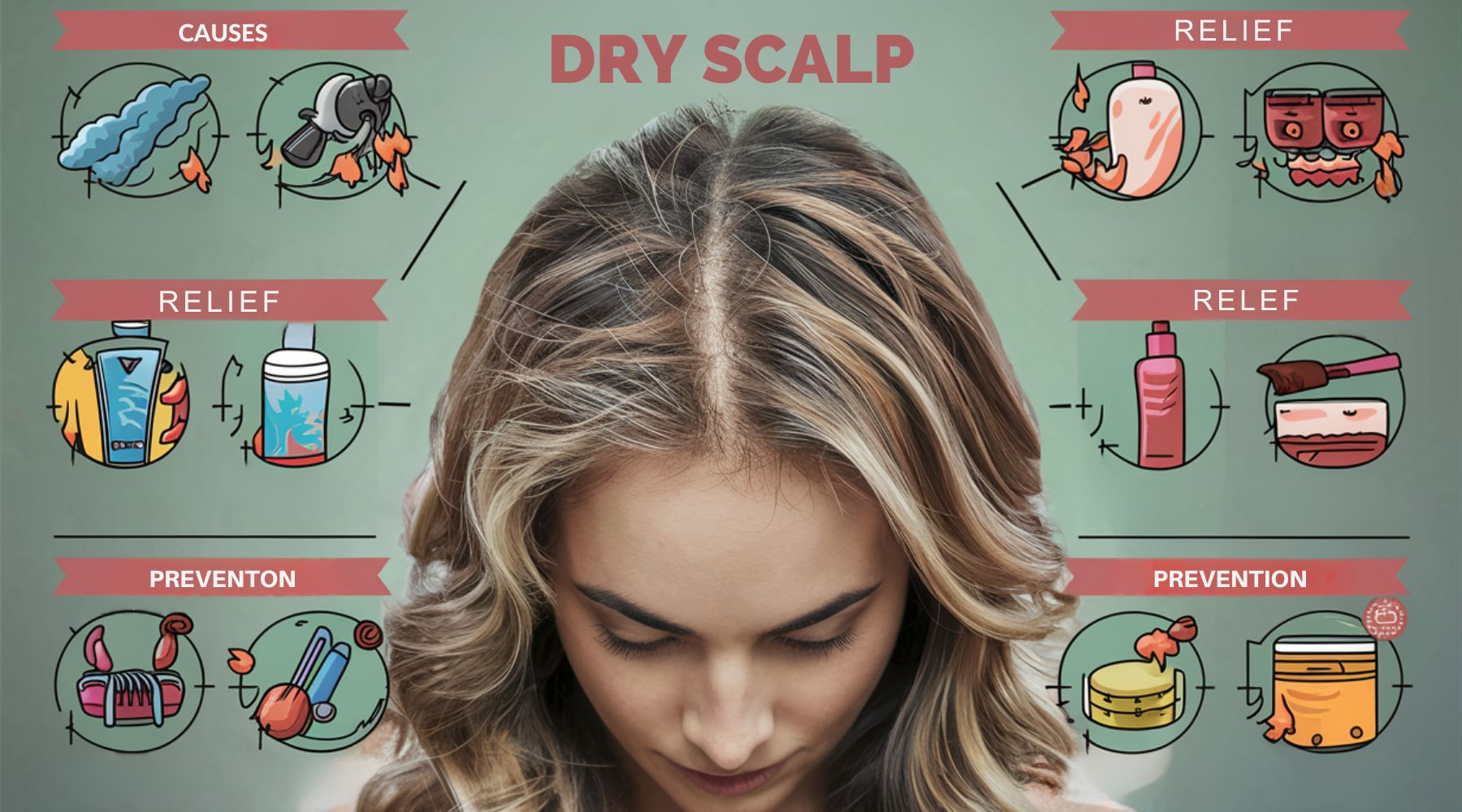 Dry Scalp Causes, Relief, and Prevention - MAYRAKI
Don’t forget aloe vera. That green plant in your kitchen isn’t just for sunburns. Pure aloe gel is a fantastic super-soother for a tight, itchy scalp. Apply it directly, let it sit for 10 minutes, and rinse. It’s like giving your head a chilled glass of cucumber water.
Rethink Your Tools and Habits
Your hairbrush might actually be a secret saboteur. Plastic brushes with sharp bristles can scratch and irritate your delicate scalp skin. Instead, grab a soft boar bristle brush or a wide-tooth comb. It distributes natural oils from your roots to your ends—free conditioning, right from your own head!
And hey, when was the last time you checked your water quality? Hard water (which is rich in minerals like calcium) can leave a filmy residue on your scalp, drying it out over time. A cheap shower filter can be a huge upgrade—like giving your scalp a gentle rain instead of a hard waterfall.
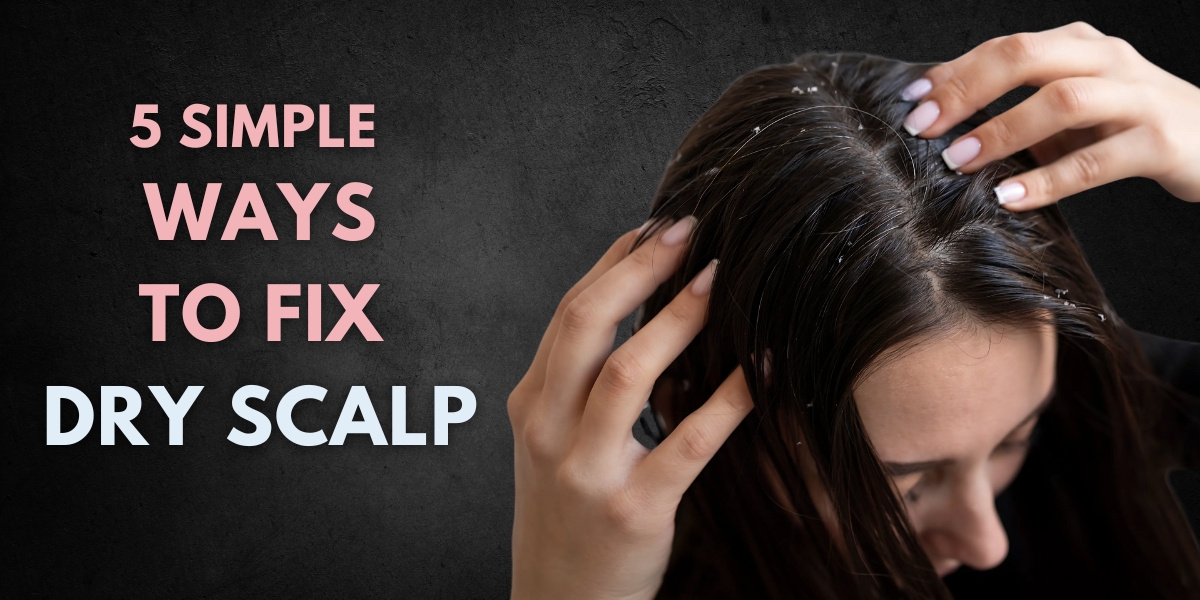 Dry Flaky Scalp
Humidity: Your Secret Ally
Dry air—especially in winter or air-conditioned rooms—sucks moisture right out of your scalp. That’s why your flakes get worse in December. A humidifier in your bedroom is a low-key hero here. It keeps the air moist, which means your skin stays dewy without you lifting a finger. It’s basically a spa treatment while you sleep.
You can also try a humidifying hair wrap or a shower cap for 20 minutes after applying oil. It traps heat and moisture, letting the good stuff soak in. It’s like a tiny greenhouse for your head.
When to Call in the Pros
If you’ve tried all this and your scalp still feels like the Sahara, it might be time to see a dermatologist. They can check if something else is going on, like psoriasis or eczema. And that’s totally fine—it doesn’t mean you failed. Think of it like asking a car mechanic for help with a weird noise; sometimes you just need an expert’s eyes.
In the meantime, remember: your scalp is just a part of you trying to communicate. It’s not a flaw—it’s a signal. And now you speak its language. Pretty cool, right?
