How Long Does Ro Last

Let’s be honest: the first thing you probably did after buying that shiny new reverse osmosis (RO) system was Google “How long does RO last?” It’s the universal homeowner pani...
Let’s be honest: the first thing you probably did after buying that shiny new reverse osmosis (RO) system was Google “How long does RO last?” It’s the universal homeowner panic. You’re not alone. I’ve been there, staring at my faucet like it’s a ticking time bomb, wondering when it’ll start spitting out tap water again.
The short, sweet answer? It depends. But the good news is: an RO system can last a very long time—think a decade or more for the main unit. The key is understanding that your RO system is a team player. Some parts are marathon runners, and others are sprinters who need to be swapped out.
The Main Event: The RO Membrane
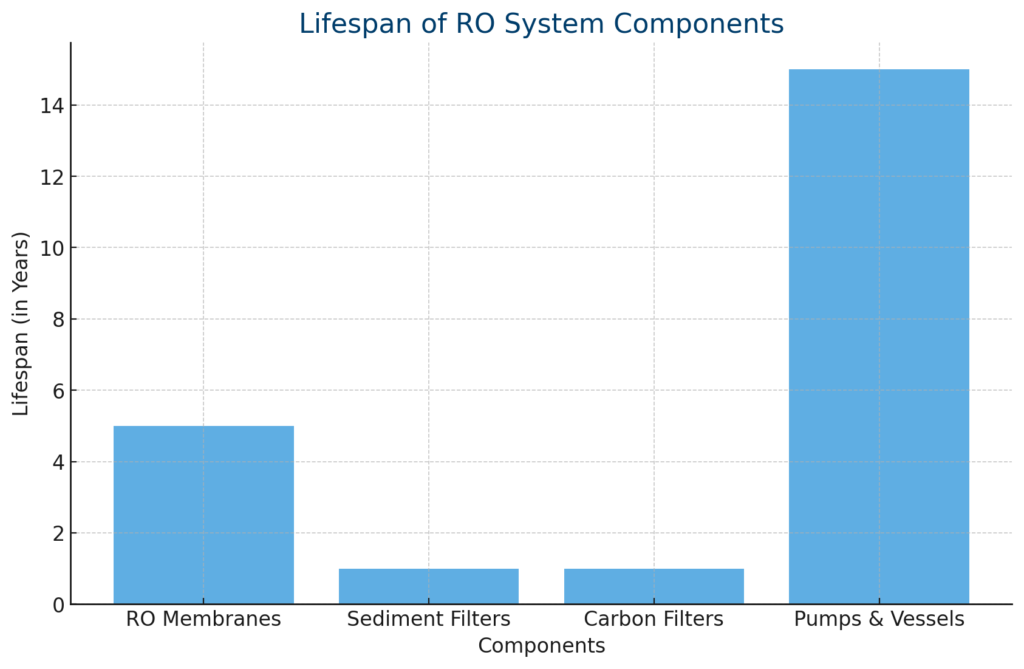
This is the rockstar of your system. The membrane is the fancy filter that actually does the heavy lifting, stripping out heavy metals, chlorine, and even the ghost of your last pizza. For household use, a typical RO membrane lasts between 2 to 5 years.
Must Read
Why the range? It’s all about your water’s personality. If you have hard, rusty city water, your membrane will work harder and die younger. If you pamper it with pre-filters, it might party on for five years. Think of it like a treadmill: if you run on it three times a day, it wears out faster than if you just hang laundry on it (please don’t do that).
The Supporting Cast: The Pre-Filters and Post-Filter
These are the unsung heroes. The sediment filter and carbon block filter are the bouncers at the club, stopping dirt, sand, and chlorine before they can insult the membrane. These guys need replacing every 6 to 12 months.
Yes, that’s like a quarterly subscription for water. But here’s the joke: if you skip replacing these, your expensive membrane will throw a tantrum and fail early. You wouldn’t skip oil changes to save money on your car, right? Same logic, but wetter.
Then there’s the post-filter. It’s the final polish, making your water taste like a mountain spring instead of a science experiment. Swap this out every 12 months. It’s cheap and easy—like changing a lightbulb, but for your tastebuds.
The Storage Tank: A Real MVP
Remember that big blue or silver tank under your sink? That storage tank is built like a tank (pun intended). They usually last 5 to 10 years. The actual bladder inside can lose its air pressure over time, but you can often recharge it with a bicycle pump. Seriously.
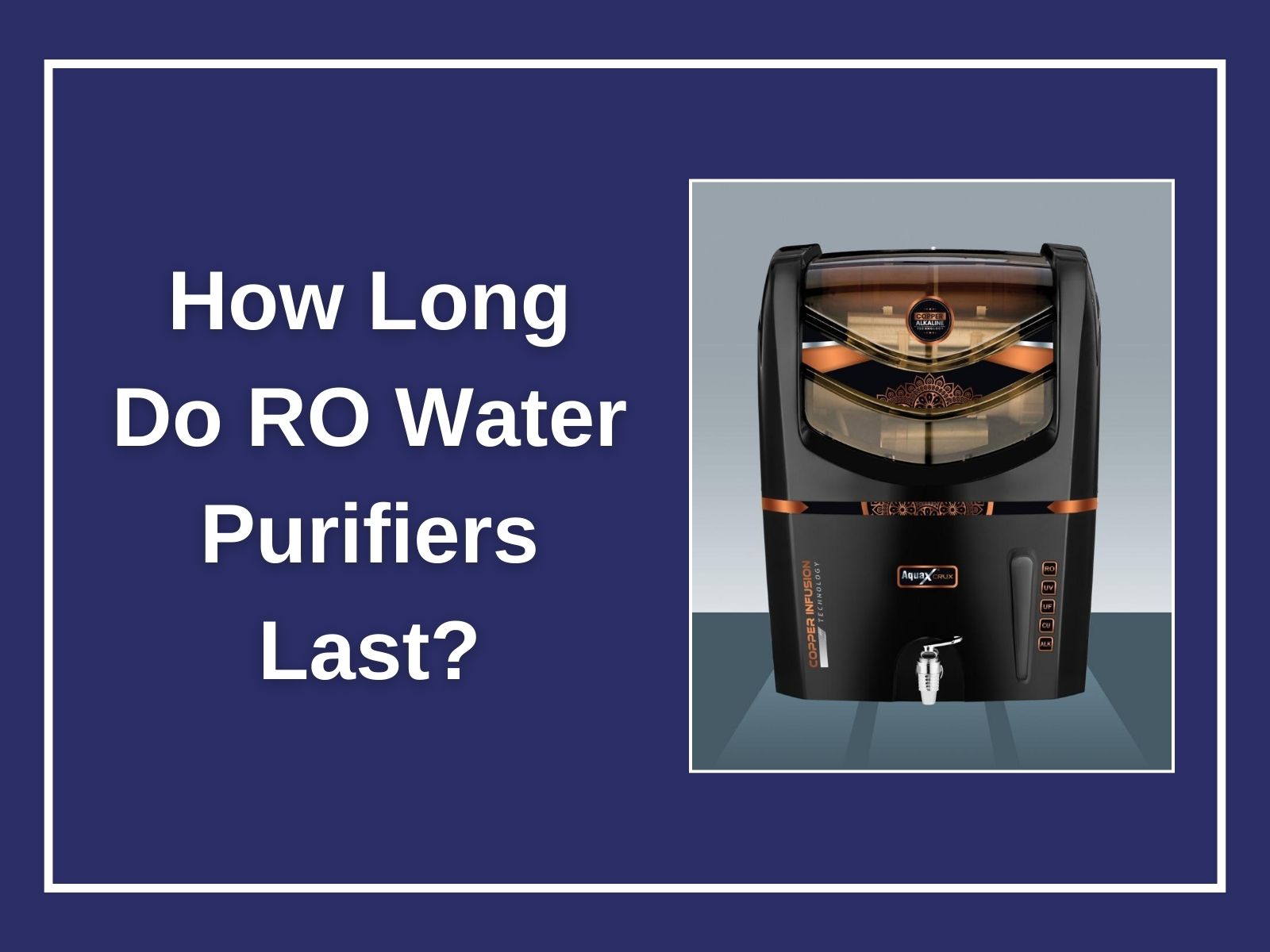 How Long Do RO Water Purifiers Last? A Comprehensive Guide
The tank’s worst enemy is a slow leak or a ruptured bladder. If it starts making weird gurgling noises, it’s not singing to you. It’s asking for a replacement. But overall? This thing is the loyal golden retriever of the RO world—faithful for a decade if you treat it right.
The Faucet and Tubes: The Forever Family?
The faucet itself—the shiny one on your counter—can last 15 years or more. It’s mostly metal and plastic, with no moving parts. Unless you accidentally use it as a hammer (don’t), it’ll probably outlive your marriage. The plastic tubing? Same deal. It’s tough, but it can crack if you bump it or if a mouse moves in and decides to snack on it.
If your water pressure is super high (over 80 psi), the tubing might wiggle loose at the fittings. A quick zip-tie fix or a cheap new fitting is usually all you need. Pro tip: check for drips under the sink once a month. Not a fun way to spend a Saturday, but cheaper than a water damage claim.
How to Make Your RO Last Longer (Without a PhD)
Here’s the secret sauce to making your system live to a ripe old age. Change your pre-filters on time. Set a reminder on your phone. If you can’t remember, the filters will get clogged, the water flow will drop, and you’ll start getting salty (and not the good kind).
Sanitize the system once a year. Yeah, it’s a tiny chore—like flossing, but for your water. You can buy a $5 sanitizer kit. It kills bacteria and biofilm that can shorten the membrane’s life. Do it after every filter change, and your RO will thank you with crisp water.
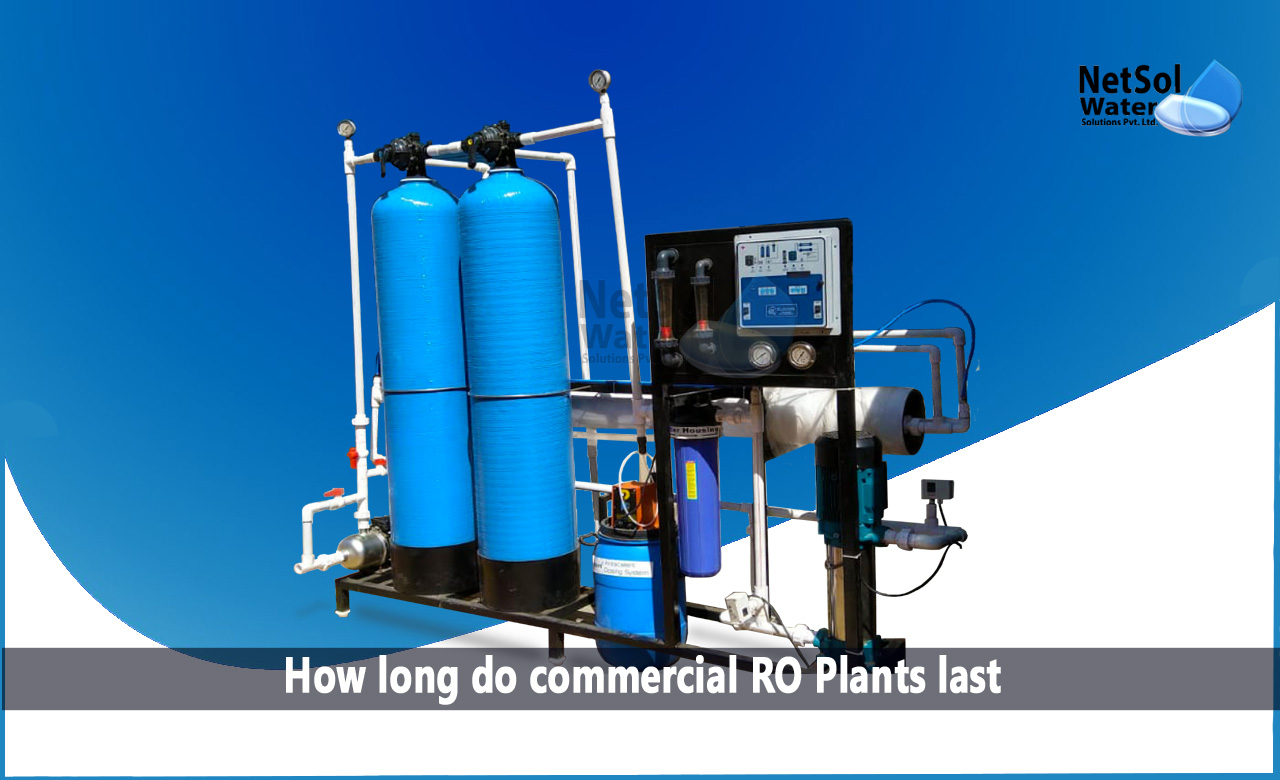 How Long Does A Ro Water Purifier Last? – YVDL
Another trick: don’t let it sit idle. If you go on a two-week vacation, your system might grow a science-fair project in the filters. Flush it when you get back. Better yet, drain the tank and let the system “rest” while you’re sipping piña coladas. A dry system is a happy system.
Signs It’s Time to Say Goodbye
Your RO will send you signals. Low water pressure? The membrane might be fouled. Bad taste or smell? The post-filter is dead. Constant dripping or a hissing tank? Your storage tank has a hole. If your system is over 10 years old and multiple parts are failing, sometimes it’s more economical to buy a whole new unit.
But here’s the fun part: most RO systems are modular. You can replace the membrane, filters, and tank individually. The main housing? That’s a chunk of plastic that doesn’t really wear out. So unless you drop a hammer on it (seriously, stop that), you can keep it going for 12 to 15 years with a little love.
The Final Verdict: A Decade of Good Water
So, in a nutshell: Your RO system itself will last 10–15 years. The membrane? 2–5 years. The filters? Every 6–12 months. The tank? 5–10 years. It’s like a long-term relationship—you have to put in a little work, but the payoff is amazing.
And here’s the uplifting conclusion: You are not slave to a machine. An RO system is one of the simplest, most reliable appliances you own. It’s not a smartphone that needs updates. It’s not a car that needs thousands in repairs. It’s a humble plastic-and-carbon buddy that just wants a little attention twice a year. Give it that, and it will give you perfect water for a decade—and maybe even a little extra for your houseplants.
Now go forth, drink your clean water, and smile. Your RO is doing fine. And if it starts gurgling? Just whisper, “I’ll change your filters next week, buddy.” It’ll believe you. And honestly? It’ll probably forgive you anyway.
