Why Is My Water Brown

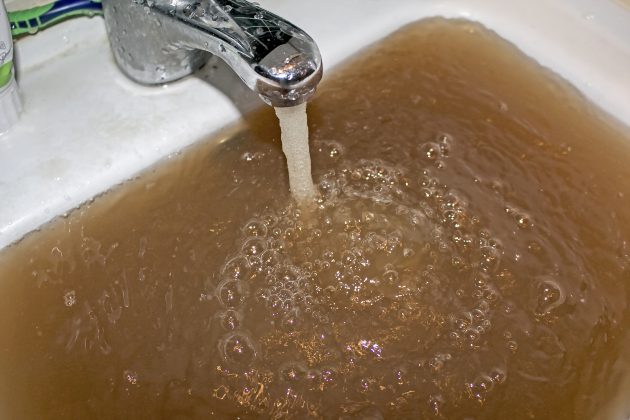
So, you turn on the tap, expecting crystal-clear water. Instead, you get something that looks like weak iced tea. Don’t panic. Your pipes aren’t plotting against you. Brown wa...

So, you turn on the tap, expecting crystal-clear water. Instead, you get something that looks like weak iced tea. Don’t panic. Your pipes aren’t plotting against you.
Brown water is weirdly common. And honestly? It’s kind of fascinating. Let’s dive into this murky mystery together.
The Usual Suspect: Iron and Manganese
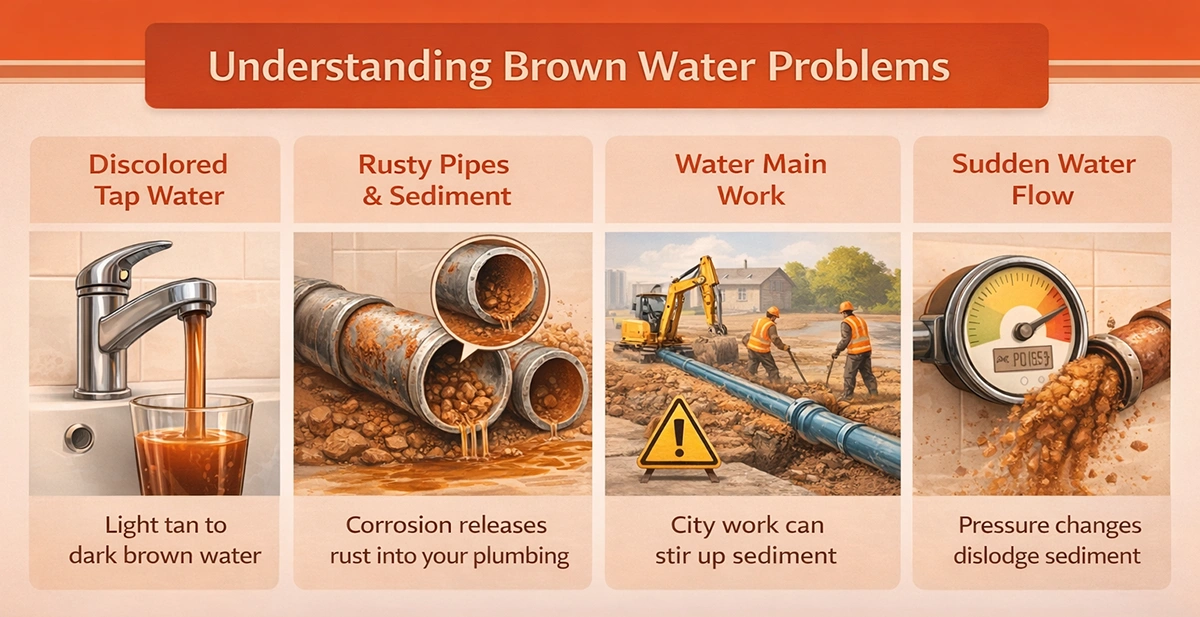
Most brown water isn’t mud or dirt. It’s rust. Tiny particles of iron and manganese—minerals found naturally in soil—get stirred up in your pipes.
Must Read
These minerals are harmless to drink. But they turn water into a lovely shade of root beer. Think of it as nature’s prank on your laundry.
Fun fact: Iron in water can actually taste metallic. Some people love it. Most people don’t.
When Your City Plays Plumber
Your local water utility fights fires and fixes leaks. They flush hydrants or repair a main line. Boom. Pressure changes shake loose all that settled rust.
Suddenly, your tap looks like a mud puddle. It’s temporary. Usually, running the water for ten minutes clears it right up.
If it doesn’t? Your neighbors are probably hoarding the same brown soup. Call the water company. They love hearing from you, promise.
Your Old Pipes: The Secret Artist
If you live in a house built before the 1960s, your pipes might be galvanized steel. Inside, they’re slowly corroding. That gray coating decays into brown flakes.
Think of it as your plumbing shedding its skin. Gross? Maybe. Normal? Absolutely.
Quirky detail: Some old pipes contain lead. Brown water from a lead pipe is a different beast—get that tested. But usually, it’s just the iron saying hello.
The Hot Water Heater Surprise
Is your brown water only from the hot tap? That’s your water heater throwing a tantrum. Sediment—calcium, magnesium, and rust—collects at the bottom.
 What To Do When Your Water Is Discolored I Rick’s Plumbing
When you drain a water heater, that gunk gets swooshed into your glass. It’s like a jellyfish of mineral goo. Fun to watch. Not fun to drink.
Flush your heater yearly. Your water will go back to clear. Your water heater will thank you in whispers.
What About the Weird Stuff?
Sometimes, brown water smells like rotten eggs. That’s hydrogen sulfide gas—bacteria eating sulfur in your drain. It’s a whole different party.
If it’s brown and smells like a swamp, call a pro. That’s not just rust. That’s science you probably don’t want to explore solo.
Another rarity: Manganese can turn water black. Yes, black. Like ink. It’s harmless but looks like you’re summoning a demon. Fun for Halloween.
Is It Safe? The Quick Guide
Brown water from iron or manganese is safe to bathe in. Your skin won’t turn orange. I promise. But don’t drink it unless you’re brave and blindfolded.
The health risk is low. The stain risk is high. That brown water can ruin white shirts and porcelain sinks. Wash with cold water to avoid setting the stain.
If it’s rusty and you have a baby, use bottled water for formula. Better safe than explaining to your pediatrician why the baby is now a sepia filter.
Inspect Your Outside Pipes
Have a garden hose? Run it. If brown water comes out there too, the problem is outside your house. It’s the city’s problem now.
 Brown or Smelly Water: Causes, Risks, and When to Call a Plumber | POM
If only the inside taps are brown, it’s your pipes. Time to consider a filter or a pipe upgrade. Or just wait. It might clear up on its own.
Fun experiment: Fill a clear glass with brown water. Let it sit for an hour. The rust sinks to the bottom. The water on top becomes clear. Magic, right?
When to Freak Out (A Little)
If your water is brown and tastes like metal and chemicals, that’s weird. Or if it smells like bleach mixed with dirt—that’s a chemical imbalance.
Also, if every tap in your house is brown for days, that’s not normal. Call your water utility. Be nice. They’re just people with a turbidity problem.
One more thing: If you live near a construction site, brown water can come from sediment in the groundwater. It’s like the earth sneezed into your pipes.
The Bottom Line (It’s Not Mud)
Brown water is mostly rust. Rust comes from old metal. Old metal lives in pipes. It’s the circle of plumbing life.
Most of the time, you can flush it out. If not, it’s a maintenance issue. You’re not poisoned. You’re just temporarily living in a sepia-toned novella.
Embrace the weirdness. Take a photo. Send it to your friend and say, “My tap is brewing tea.” They’ll laugh. Then you can both learn about iron particles.
And if all else fails? Buy bottled water for a day. Let your pipes sort themselves out. They usually do.
