Does Tannins Lower Ph

So, you’ve fallen down a rabbit hole of tea, wine, and soil chemistry, and now you’re wondering: does tannins lower pH? The short answer is a cheerful yes—sort of—but the fun...
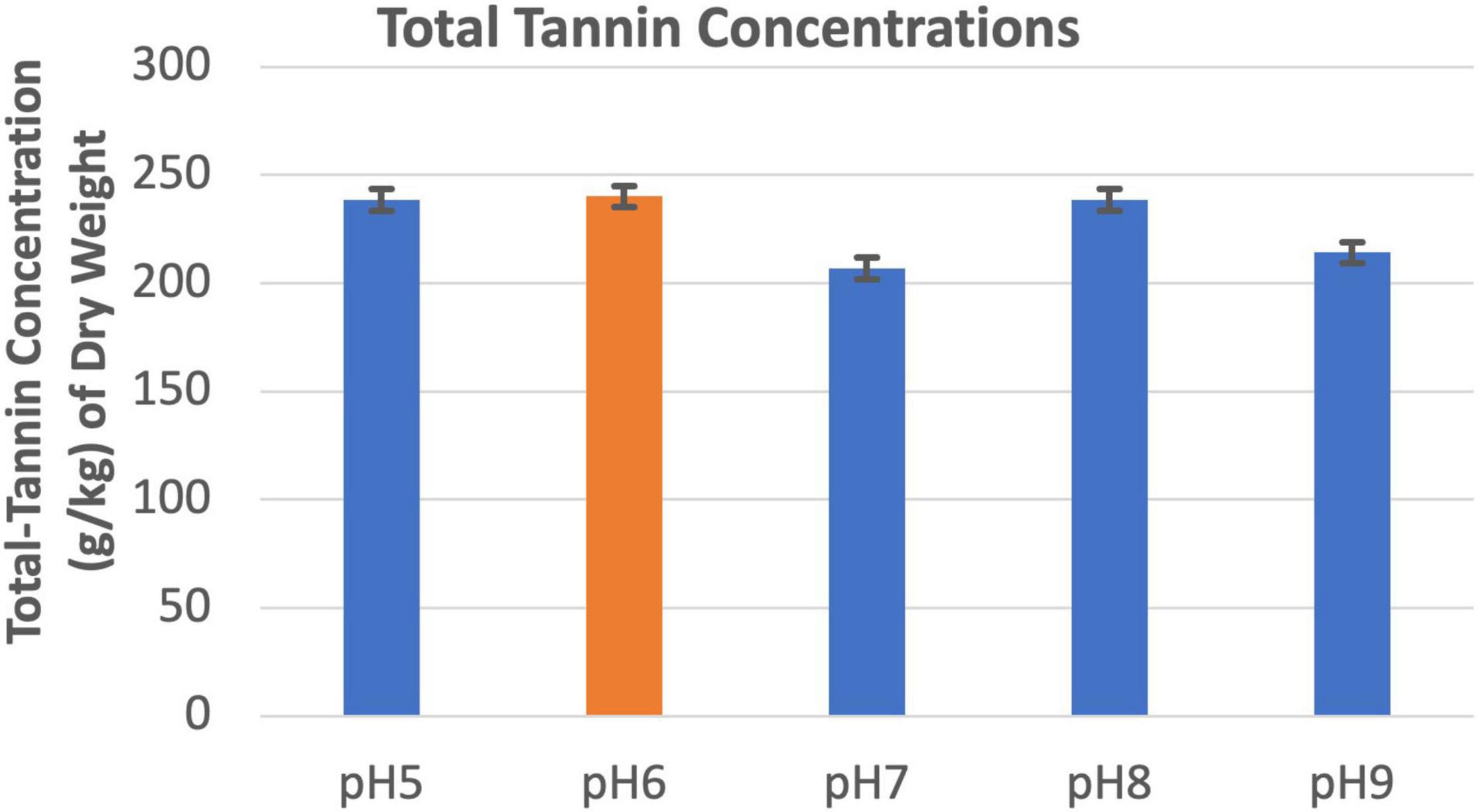
So, you’ve fallen down a rabbit hole of tea, wine, and soil chemistry, and now you’re wondering: does tannins lower pH? The short answer is a cheerful yes—sort of—but the fun part is how this little fact can make your daily life more delicious. Think of tannins as the friendly, slightly astringent troublemakers that love to shake things up in your drink or garden.
What Exactly Are Tannins?
Tannins are natural compounds found in plants—think grape skins, tea leaves, and even bark. They’re the reason red wine dries out your mouth and why a good black tea feels so satisfyingly crisp. And yes, they are acidic little molecules that can drop the pH level of whatever they’re in.
How Tannins Pull the pH Levers
When you steep a bag of black tea in water, those tannins dissolve and release hydrogen ions. More hydrogen ions = lower pH, meaning your tea becomes slightly more acidic. It’s like a tiny chemistry party in your cup, and tannins are the guests who bring the sour punch.
Must Read
But here’s the kicker: the effect is mild. A cup of tea typically has a pH between 4.9 and 5.5, which is about as acidic as a tomato. So no, you’re not brewing battery acid—just a gentle shift that adds complexity.
Why This Makes Life More Fun
Now, why should you care? Because understanding tannins and pH lets you be a kitchen alchemist. Fancy a smoother iced tea? Add a pinch of baking soda to neutralise the tannins. Or maybe you want a bolder, sharper red wine? Let it breathe—the tannins oxidise and mellow the acidity over time.
Even your garden gets in on the action. Tannin-rich oak leaves or pine needles can lower soil pH, making hydrangeas bloom a stunning blue instead of pink. It’s like giving your plants a mood ring, and you’re the wizard behind the curtain.
 pH values of tannin solutions as a function of NaOH/OT mass ratio
The Science Is Simple, the Joy Is Real
Don’t let the word “pH” scare you—it’s just a measure of how acidic or alkaline something is. Tannins are like nature’s little pH adjusters, working their magic in your mouth and your mug. The trick is that context matters: the same tannins that make a black tea tangy will taste astringent and harsh if the water is too alkaline or hot.
So next time you sip a dry Cabernet Sauvignon or brew a pouchong oolong, give a silent toast to tannins. They’re not trying to ruin your palate—they’re just nudging the pH toward a bit more snap.
Fun Experiments to Try Tonight
Grab two cups of water: one plain, one with a tea bag. Dip a pH strip (or red cabbage juice!) in each and watch the colour change. Boom—instant science with a sip. Or pour a glass of red wine and add a splash of lemon juice—the extra acid will lift the tannins and make the wine taste fruitier.
 a Viscosity as a function of tannin solid content for pH 4.3 and 9.0 b
If you’re feeling bold, sprinkle crushed oak leaves into your houseplant’s soil. Over a few weeks, you’ll see the soil pH drop, and your ferns will thank you with greener leaves. You’re basically a pH ninja now.
The Big, Bright Takeaway
Tannins lower pH in a gentle, playful way—not like a science experiment gone wrong, but like a jazz musician adding a riff. They remind us that even the smallest chemical tweak can turn a flat drink into a symphony of flavour, or a sad hydrangea into a showstopper. You don’t need a lab coat to be a pH tamer—just a curious spirit and a willingness to taste, test, and tinker.
So go ahead: steep that tea a little longer, swirl that wine with confidence, or toss those fallen leaves into your garden. The world is made of tannins and pH, and you get to play. The more you learn, the more delicious—and vibrant—life becomes. Cheers to that!
