How Much Water Does A

Last weekend, I watched my cat, Oliver, stare at a dripping faucet for ten solid minutes. He didn’t drink it; he just tapped the stream with his paw, over and over. I thought,...

Last weekend, I watched my cat, Oliver, stare at a dripping faucet for ten solid minutes. He didn’t drink it; he just tapped the stream with his paw, over and over. I thought, buddy, you have no idea how precious that water is.
Then I looked at my own glass of water, half-empty on the desk, and wondered: how much of this stuff do I actually need? Not just to survive, but to keep my brain from turning into a dried-out raisin. So I went down the rabbit hole. Buckle up—it’s wetter than you think.
The Goldilocks Zone of Hydration
Let’s start with the famous “8x8” rule—eight 8-ounce glasses a day. You’ve heard it a million times. Spoiler alert: that’s not a law, it’s a suggestion that might be too low for some, too high for others.
Must Read
Your actual need depends on your body, your activity level, and—ironically—how much you’re sweating. A marathon runner in July is a different creature than me, typing in an air-conditioned room. You are probably somewhere in between.
The National Academies of Sciences, Engineering, and Medicine gives a range: about 3.7 liters (125 ounces) for men and 2.7 liters (91 ounces) for women per day. But here’s the kicker: that’s total water—from all drinks and food.
But Wait—Your Food Counts!
Yes, you read that right. That juicy apple you had for lunch? That’s roughly 80% water. A bowl of soup? Practically a swimming pool. You don’t need to chug glass after glass if you’re eating water-rich foods.
Studies show that about 20-30% of your daily water intake comes from food. So if you’re eating salads, fruits, and cooked grains, you’re already ahead. (See, there’s a reason your grandma told you to eat your veggies.)
Still, the biggest source is plain old water. And your body has a clever way of telling you when you’re behind schedule: thirst. Don’t ignore it. Thirst is not a suggestion; it’s a firm request from your kidneys.
 Water Consumption Calculator Thames Water Launches New Calculator To
What About That “8 Glasses” Myth?
The 8x8 rule actually has no solid science behind it. A 2002 review in the American Journal of Physiology called it “a myth.” Boom. But don’t throw out your water bottle just yet.
For many people, aiming for eight glasses is a safe starting point. It’s easy to remember, and it beats being dehydrated. The trick is to adjust based on your pee color—pale yellow is perfect; dark means drink up; completely clear means you’re overdoing it.
And yes, you can drink too much water. It’s rare, but it’s called hyponatremia, and it dilutes the salt in your blood. Don’t panic—just don’t chug three gallons before a race.
So How Do You Know Your Number?
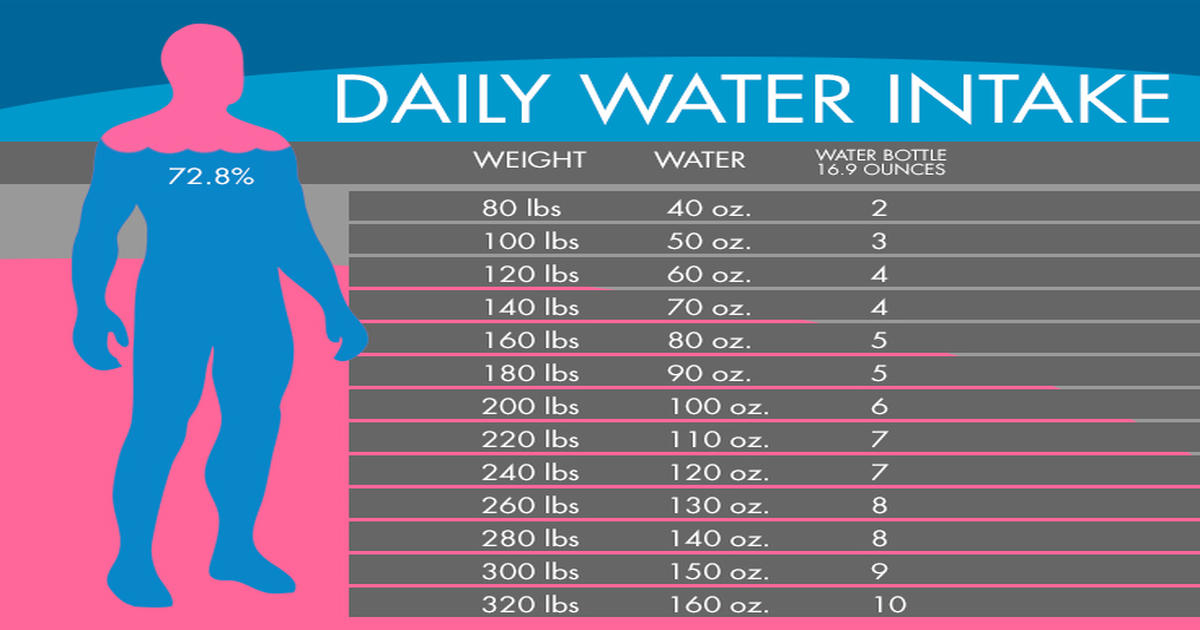
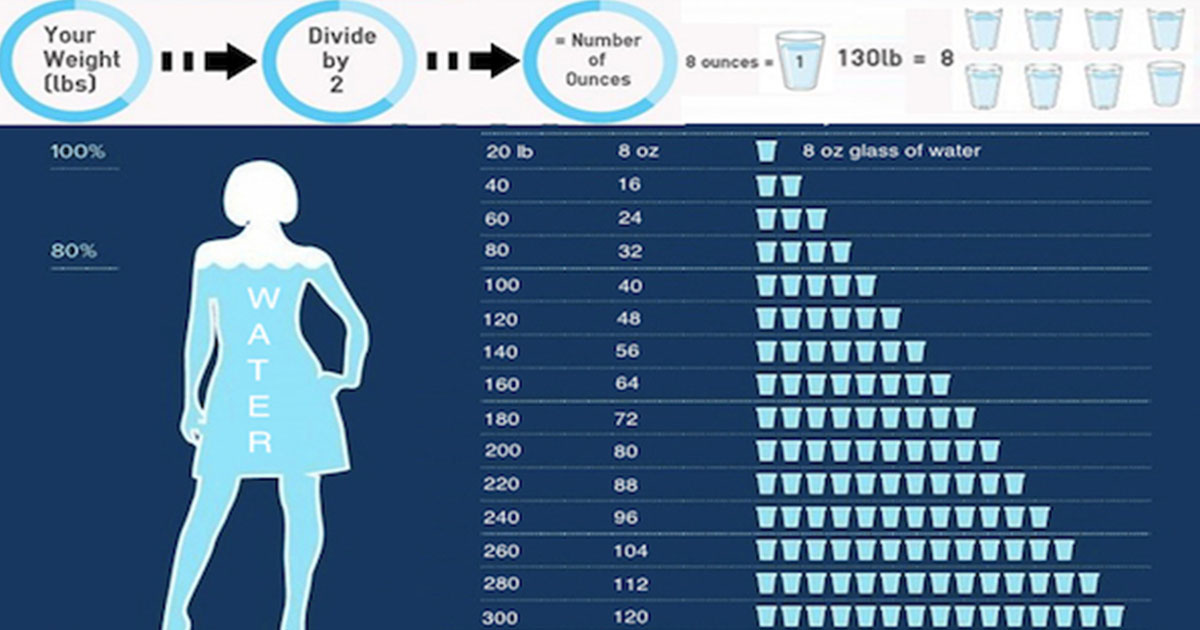
Here’s a simple formula that works for most people: take your body weight in pounds, divide it by two, and that’s the number of ounces you should aim for daily. A 150-pound person? Aim for 75 ounces. Easy, right?
But then you have to factor in exercise. For every 30 minutes of activity, add 8-12 ounces. If it’s hot and humid, add another 8. Your body is not a spreadsheet, it’s a dynamic system—so listen to cues like dry mouth, fatigue, or a headache.
One more trick: weigh yourself before and after exercise. For every pound lost, drink 16-24 ounces of fluid. (Yes, that’s a lot. Your muscles are thirsty little sponges.)
 How Much Water Your Body Needs According To Your Weight? - Healthy
A Note on Coffee and Alcohol
You’ve heard that coffee dehydrates you. It’s not exactly true. Caffeine is a mild diuretic, but the water in your latte more than compensates. So your morning brew counts toward your total.
Alcohol does dehydrate you, though. That’s why you wake up with a dry mouth after a few beers. The only fix is to drink water alongside it—ideally one glass of water per alcoholic drink. (Your future hangover will thank you.)
The Bottom Line: Stop Overthinking It
I did the math for myself: at 170 pounds, that’s 85 ounces of water per day. Plus I sweat like a nervous penguin when I run, so I add 20 ounces. Grand total: 3.1 liters. That’s doable.
But honestly, the best advice is boring and perfect: drink when you’re thirsty, eat water-rich foods, and keep a reusable bottle nearby. Your body is smarter than any chart.
So next time Oliver stares at that faucet, I’ll fill a bowl for him—and refill my own glass. Not because a study said so, but because water is life’s quiet muscle. Don’t let yours get weak.
Cheers. And go hydrate—seriously.
