What Is Osmosis Water

So, you’ve heard the term osmosis water tossed around, probably by that one friend who only drinks from a glass bottle and owns a plant named “Ficus.” You’re nodding along, bu...
So, you’ve heard the term osmosis water tossed around, probably by that one friend who only drinks from a glass bottle and owns a plant named “Ficus.” You’re nodding along, but inside you’re thinking, “Wait… is this just fancy tap water?” Let’s fix that. Grab your coffee (or tea, no judgment), and let’s chat.
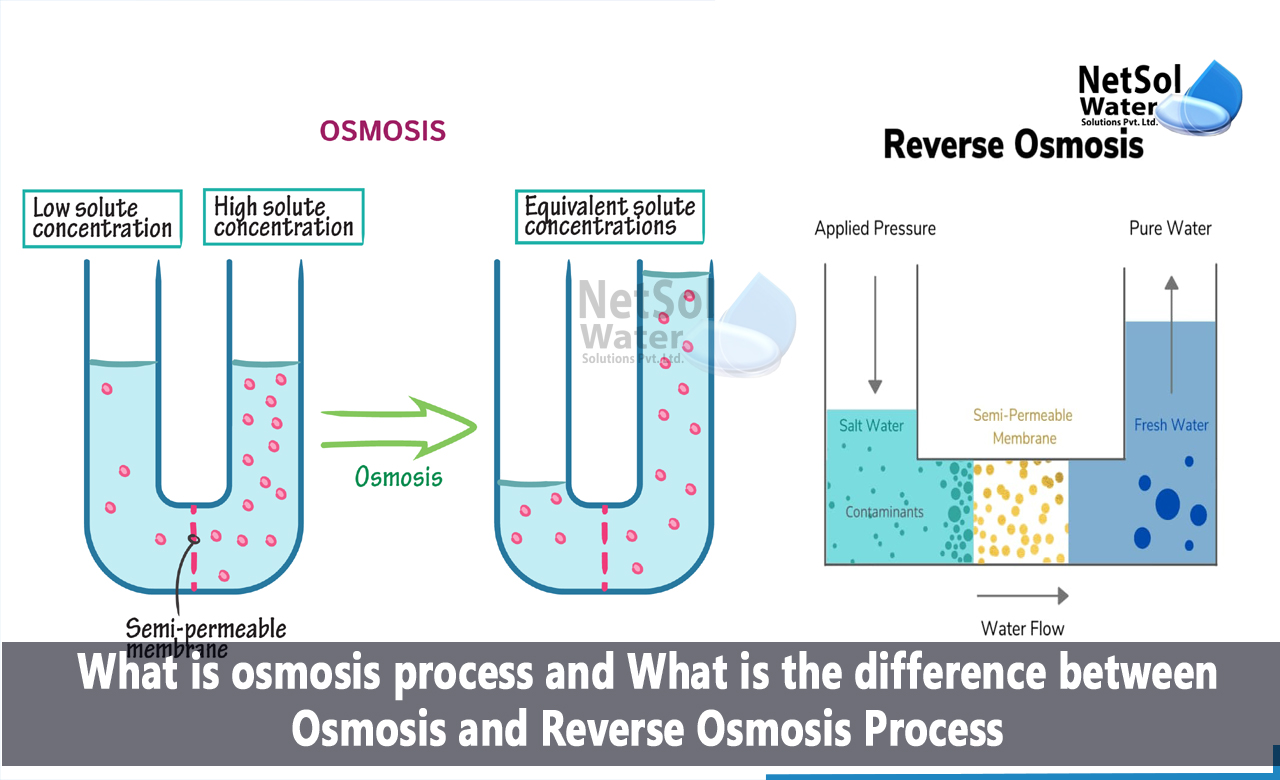
First, the quick and dirty science. Osmosis is nature’s way of moving water through a membrane to balance stuff out. Imagine a picky bouncer at a club—only water molecules get in, leaving the rowdy impurities outside. That’s basically it.
Now, osmosis water is what you get when you force water through a special filter using reverse osmosis. Fancy, right? It’s like telling the bouncer, “Hey, let the good water through, but kick out the salt, the lead, and that weird taste from old pipes.” Boom—clean water.
Must Read
Why should you even care?
Because your tap water might be hiding secrets. Ever taken a sip and thought, “Hmm, that’s a bit… city”? Reverse osmosis strips away up to 99% of contaminants. We’re talking heavy metals, chlorine, pesticides, and even those tiny microplastics nobody wants to think about.
But here’s the real kicker: it also removes the good stuff. Like minerals—calcium, magnesium—that make water taste, well, alive. So while your water is pure, it might taste a little flat. Some people call it “dead water.” Dramatic? Maybe. But you’ll notice.
Is that a problem? Not really. You get minerals from food, not from your glass. Still, if you’re a water snob (no shame), you might miss that crisp, mineral-y kick. So some folks remineralize it after. Because why not have everything?
The “wait, is it safe?” moment
Yes, it’s totally safe. The FDA and health nuts agree: properly filtered reverse osmosis water is fine for daily drinking. It’s even used in hospitals and for baby formula. So relax—you’re not turning into a dehydrated raisin.
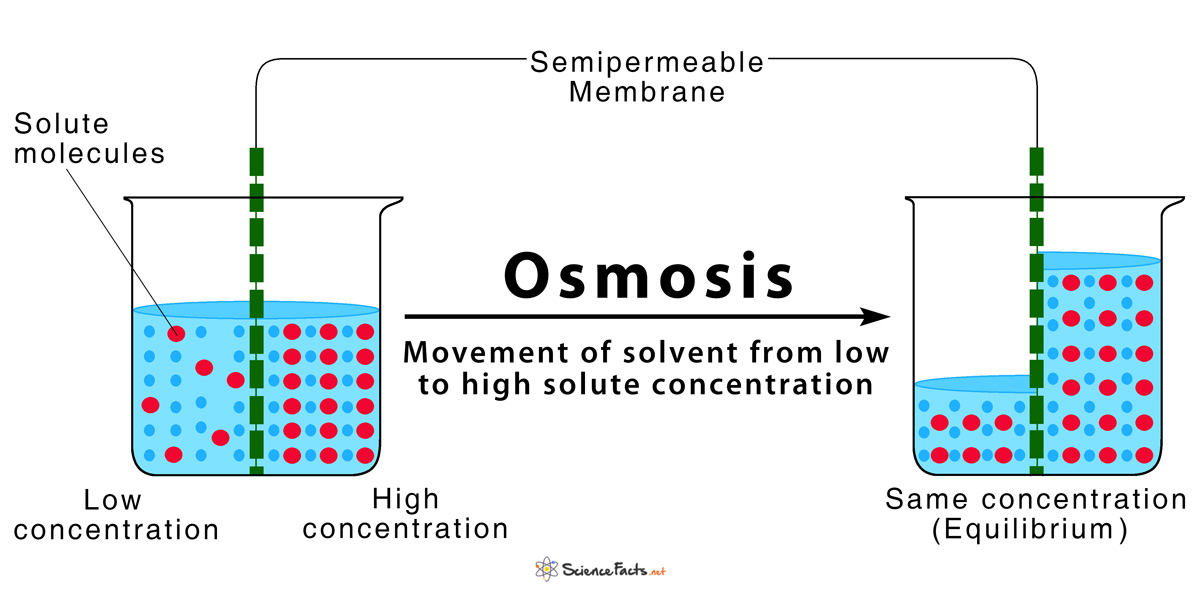 Osmosis: Definition and How Does it Occur (with Diagram)
But here’s a plot twist: drinking only osmosis water for years might flush out some minerals from your body. Experts say it’s minor, but if you’re a fitness freak or sweaty mess (hello, gym rats), you might need to up your electrolyte game. A pinch of salt and some lemon? Problem solved.
Let’s talk taste. You know that “bottled water” taste—crisp, neutral, like nothing? That’s osmosis water in action. It’s the vanilla ice cream of hydration: plain, but you can add stuff. Some people love the blank slate. Others call it “boring.” I call it versatile.
The real question: Do you need a system?
If you’re living in a city with decent water, maybe not. But if your water smells like a swimming pool or leaves white crust on your kettle? Yeah, you might want to invest. Under-the-sink units start around $200 and last for years. Or you can get a countertop pitcher—cheaper, slower, but it works.
But don’t believe the hype that you must have it. Your kidneys do a stellar job filtering your blood—they’re the original RO system. If your tap water is from a clean source, you’re fine. If it’s from a rusty pipe in a 1920s building? Maybe start shopping.
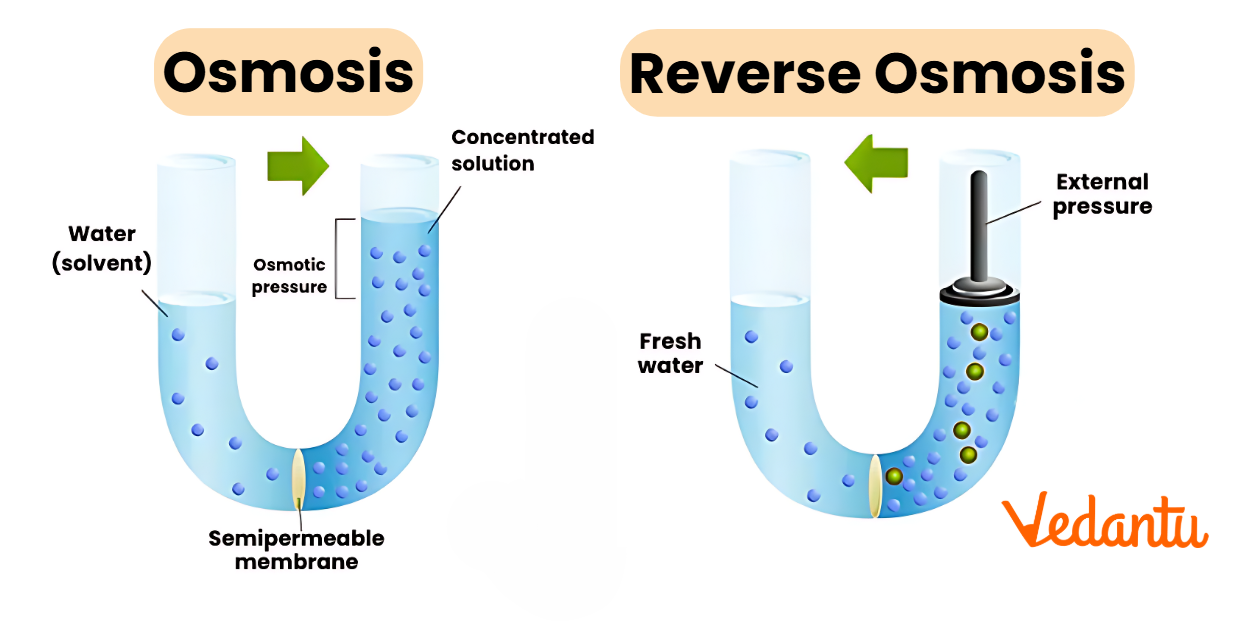 Osmosis Definition Process Diagram and Examples
One more thing: waste is real. Reverse osmosis systems waste about 3 to 4 gallons of water for every gallon they make. Yikes, right? Some newer models are better, but it’s not eco-friendly yet. You’ll feel a tiny pang of guilt every time you watch that drain water swirl away.
But is it worth it?
For people with compromised immune systems, pregnant ladies, or anyone paranoid about PFAS (those forever chemicals), absolutely. For the average Joe? It’s a luxury, not a necessity. But luxury can be nice. Like having a cashmere sweater for your insides.
Here’s the bottom line: osmosis water is ultra-purified water, stripped of almost everything but H2O. It’s great for brewing coffee (no off-flavors), for pets, and for fancy ice cubes. It’s not magic, and it won’t cure your hangover faster (sorry).
If you try it, sip it mindfully. Notice how clean it feels—like a blank page. Then decide if you want to add your own flavor, or just enjoy the silence. Either way, you’re hydrated, educated, and ready for your next awkward dinner party debate.
Cheers to that. Now go refill your glass—preferably with something you actually like.
