What Is An Ro Filter

Let’s be real—water is the unsung hero of your daily life. You wake up, brew coffee, wash your face, hydrate after a workout, and maybe even water your precious monstera. But...

Let’s be real—water is the unsung hero of your daily life. You wake up, brew coffee, wash your face, hydrate after a workout, and maybe even water your precious monstera. But here’s the kicker: the water flowing from your tap might be carrying a secret guest list of contaminants. Enter the RO filter—your home’s very own bouncer for unwanted particles.
RO stands for reverse osmosis. It sounds like a science experiment, but it’s actually a brilliantly simple process: water is forced through a semipermeable membrane that blocks impurities. Think of it as a molecular sieve that catches everything from lead and chlorine to microplastics and weird tastes. It’s the reason your tap water can taste as crisp as a mountain spring—without the hike.
So, how does this magic actually work? Picture a pressure-powered party: your tap water enters the RO system, passes through a sediment filter (bye-bye, dirt), then a carbon filter (later, chlorine), and finally hits the star of the show—the reverse osmosis membrane. This membrane has pores so tiny that only water molecules can squeeze through. Everything else—arsenic, fluoride, even some viruses—gets left behind and flushed away. It’s like a VIP section where only H₂O gets the wristband.
Must Read
Why You Actually Need One (Beyond the Hype)
Look, not every water filter is created equal. A basic pitcher filter is like a polite butler—it handles taste and odor. An RO filter is the security detail for your gut health. According to the Environmental Protection Agency, tap water can contain over 90 contaminants. RO systems can remove up to 99% of them, including lead, copper, and even the dreaded PFAS (forever chemicals). If you’ve ever noticed a metallic tang in your tap, that’s your water whispering, “Help.”
Here’s a fun fact: reverse osmosis was invented in the 1950s, originally used to desalinate seawater for the U.S. Navy. Yes, this technology literally helped sailors drink from the ocean. Today, your kitchen sink can do the same thing—minus the saltwater and the sea shanties. It’s the ultimate glow-up for your hydration game.
How to Pick Your Perfect RO System
First, know your space. Under-sink RO units are the most common—compact and hidden, like a ninja in your cabinet. Countertop models are trendier and easier to install, great for renters who can’t drill holes. The key spec to look for is filter life. Most membranes last 2–3 years, but pre-filters need changing every 6–12 months. Set a reminder on your phone, or you’ll be drinking “last year’s water”—gross.
Second, consider the waste factor. Traditional RO systems produce “reject water”—about 3–4 gallons of waste for every gallon of clean water. That’s like throwing away three bottles of water to get one. But don’t panic: newer tankless or high-efficiency models waste only 1:1 or less. Some even let you redirect the reject water to your plants (they’re fine with minerals). Pro tip: if you’re eco-conscious, look for a system with a green certification like WaterSense.
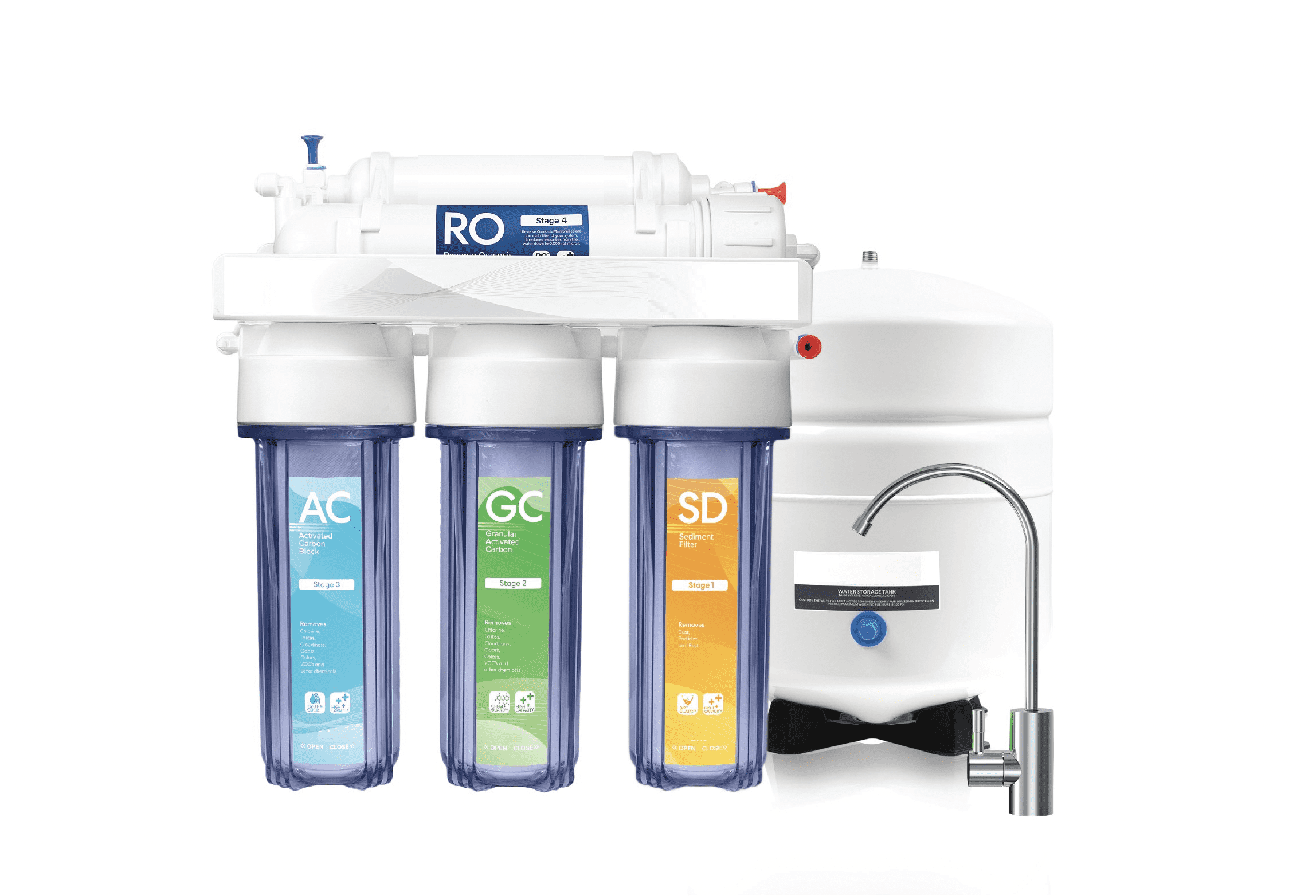 5-Stage Reverse Osmosis System Home RO Water Filter System Under Sink
Third, don’t forget the taste test. RO water is flat to some people because the membrane strips out minerals like calcium and magnesium. That’s why many modern systems include a remineralization filter—a little stage that adds back good minerals. Brands like APEC or iSpring offer these as add-ons. Your morning coffee will thank you.
Cultural References & Daily Rituals
Remember the “Bottled water is a scam” revelation from the documentary The Story of Bottled Water? It’s true: nearly 40% of bottled water is just tap water in disguise. RO filters let you skip the plastic guilt and the heavy lugging. You become your own water sommelier. Plus, you’ll save roughly $1,000 a year if you’re a two-bottles-a-day person—enough for a weekend getaway or a very fancy cheese board.
There is also a cultural shift happening. In cities like San Francisco and Berlin, RO-filtered water stations are popping up in cafes. You bring your own bottle, and they refill it for free. It’s part of the “slow water” movement—a wink to the farm-to-table trend, but for your glass. Imagine ordering an espresso and asking, “Is this made with RO water?” You’ll sound like a hydration hipster, and honestly, that’s a vibe.
Practical Tips to Keep It Flowing
Tip one: Test your water first. You can buy a simple TDS (total dissolved solids) meter for $15. If your tap reads above 200 ppm, an RO filter will be a game changer. If you’re already under 50 ppm, a basic carbon filter might be enough. Knowledge is power—and cleaner water.
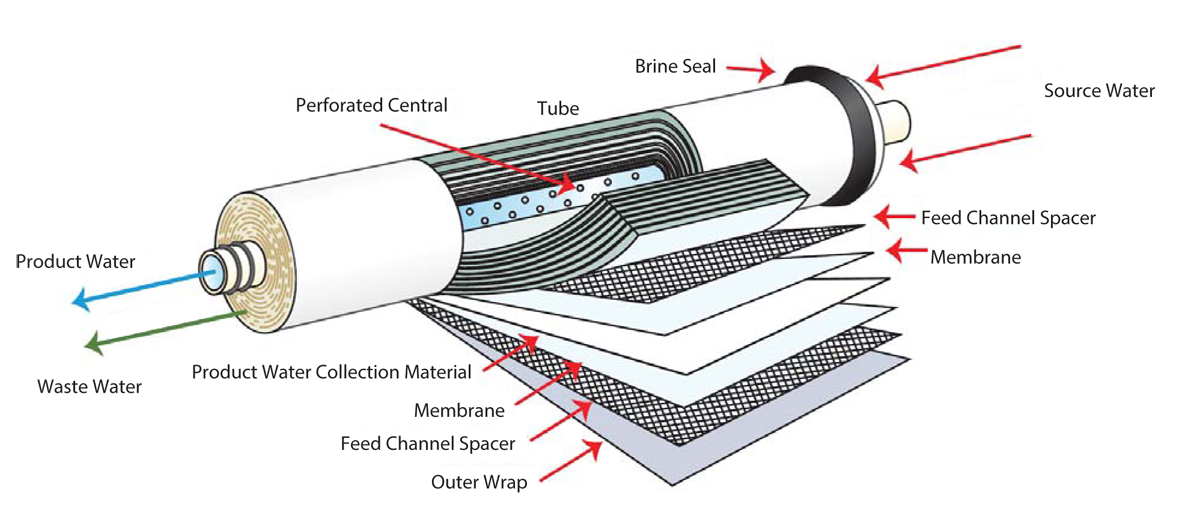 What Is A Ro Filter at Audrey Guin blog
Tip two: Install a post-filter if you travel a lot. If your system sits unused for more than a week, bacteria can grow on the membrane. A quick flush with a sanitizing solution (or a built-in UV light) keeps it fresh. Don’t be the person who brings home a water filter that smells like swamp.
Tip three: Be patient with installation. Under-sink models require drilling a small hole for a dedicated faucet—scary but worth it. If you rent, a countertop model that hooks directly to your faucet is your best friend. Brands like Waterdrop offer modular ones that look like chic sci-fi decanters.
The Quiet Joy of Clean Water
Here’s what no one tells you: after you install an RO filter, everything changes. Your ice cubes turn crystal clear. Your pasta tastes cleaner. Your skin even feels different after a shower (if you get a whole-house RO, though that’s a bigger investment). It’s a small upgrade that quietly elevates the mundane moments—like drinking a glass of water at 2 AM without that weird aftertaste.
Think about a rainstorm. You know how the air smells fresh afterward, like the world got a good scrub? That’s what RO water feels like in your mouth—a reset button. It’s not just about removing bad things; it’s about restoring a baseline of purity that your body craves. In a world full of noise, pollution, and hard lines, this is a quiet act of self-care that takes zero effort after the first hour.
So go ahead, grab a glass. Feel the weight of it. Take a sip. You’re not just drinking water—you’re drinking the future of hydration, one molecule at a time. And honestly? That’s pretty cool.
