Why Is Tap Water Bad

Alright, let’s get real about the stuff that comes out of your faucet. You know, that supposedly life-giving liquid? Newsflash: tap water isn’t always the hero we think it is....
:max_bytes(150000):strip_icc()/TheSpruce_WhatisHardWater_colorv1-71c4c7ba876646638980256db096a84e.png)
Alright, let’s get real about the stuff that comes out of your faucet. You know, that supposedly life-giving liquid? Newsflash: tap water isn’t always the hero we think it is. I’m not here to freak you out, but we need to have a little chat about why your kitchen sink might be serving up some seriously sketchy sips.
The Chemistry Set You Didn’t Order
First up, let’s talk about what’s actually dissolved in that clear glass. Tap water isn’t just H2O; it’s a wild cocktail of chemicals added to keep you “safe.” Chlorine? Yeah, that’s to kill bacteria, but it also makes your water smell like a public swimming pool—sexy, right?
Then you’ve got fluoride, which communities add to fight cavities. Sounds great, except it’s also a neurotoxin in high doses. Don’t panic, but do you really want to be micro-dosing something that might make your brain a little fuzzy? Your choice, but I’m sticking with filtered, thanks.
Must Read
Heavy Metals: The Uninvited Guests
Here’s where it gets juicy. Old pipes? They’re basically rusty metal straws for your drinking pleasure. Lead, copper, and even arsenic can leach right into that glass you’re about to chug.
Lead is a big no-no—especially for kids and pregnant folks. It’s like inviting a grumpy troll to live in your brain, messing with development and IQ. And copper? That metallic taste isn’t a fancy flavor profile; it’s a sign something’s eating your plumbing from the inside out.
Microplastics: The Confetti You Can’t See
Okay, hold your laughter. Every time you wash a plastic bottle, or even just wash your face, tiny plastic particles flow into water supplies. These microplastics are now found in tap water everywhere—including yours.
Scientists are still figuring out if they cause problems. But do you really want to be a human Tic Tac, crunching down on invisible plastic flakes? Probably not. It’s like your water is hiding a party you never asked to attend.
 Why Is Tap Water Bad?
The “Treatment” Plant Magic Trick
Water treatment plants do their best, but it’s a mirage of cleanliness. They kill some bugs, but they also add chemicals that create disinfection byproducts (DBPs). These little nasties—like trihalomethanes—are linked to cancer in high amounts.
So you’re basically playing a game of chemical roulette every time you refill your glass. The government sets limits, which sounds reassuring until you realize those limits are based on what’s “practical,” not what’s optimal for your health. Womp womp.
The “Fresh” Ice Cube Lie
Ever notice how tap water ice cubes taste like old socks? That’s because the chlorine and minerals concentrate as water freezes. So your “refreshing” iced tea is actually a frozen chemistry experiment.
And let’s not forget hard water—all those calcium and magnesium minerals that wreck your kettle and dry out your skin. Drinking it is like swallowing tiny chalk bits. Not exactly a spa experience, is it?
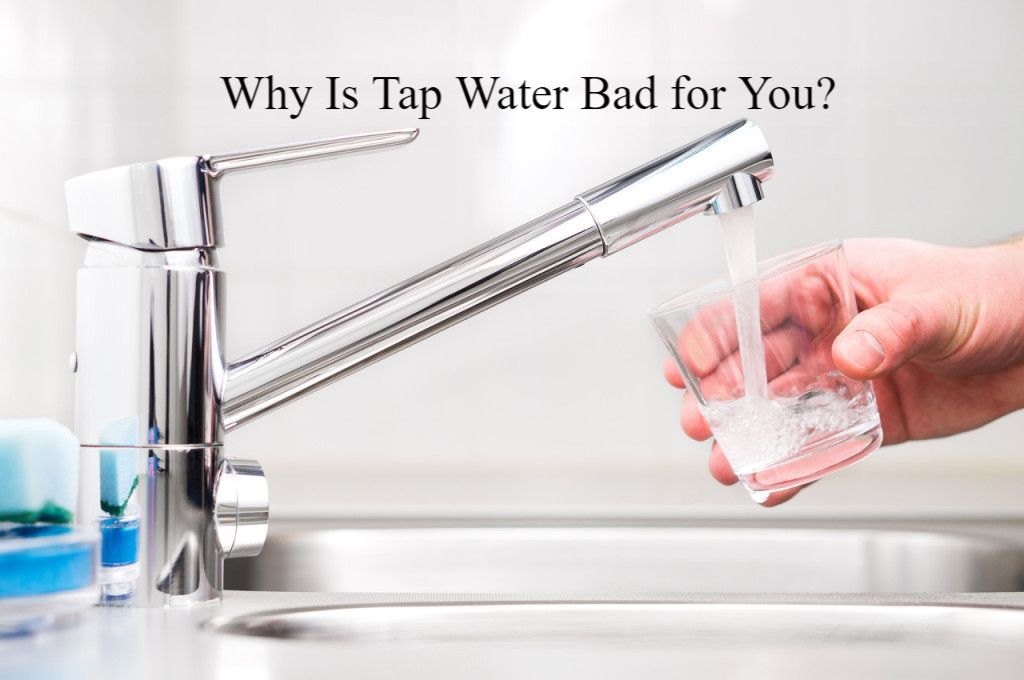 Why Is Tap Water Bad for You? – Membrane Solutions
So, What’s the Solution? (Besides Crying)
Look, I’m not saying you’ll instantly turn into a mutant from a single sip. But if you’re chugging tap water daily, it’s worth considering a filter. A basic carbon pitcher removes chlorine and some metals, while a reverse osmosis system is like giving your water a serious spa day.
And please, please avoid drinking from garden hoses or hot water taps. That’s like asking for a cocktail of lead, bacteria, and plasticizer. Just don’t.
The Uplifting Spin (Because You Deserve It)
Here’s the good news: You are incredibly powerful. By choosing to filter or switch to bottled (from trusted sources, obviously—don’t be a plastic monster), you’re taking control of your own health. That’s badass.
You don’t have to fear the faucet; you just have to be smarter than it. And let’s be honest—you’re way too clever to let a little chlorine and lead ruin your hydration game. So go ahead, invest in a cool filter pitcher, pour yourself a glass of crystal-clear goodness, and toast to your own brilliant decision-making.
Tap water might be a little shady, but you are not. Stay hydrated, stay savvy, and remember: Water is life—just make sure it’s your kind of life, not a science experiment’s. Cheers to you, you water warrior!
:max_bytes(150000):strip_icc()/TheSpruce_WhatisHardWater_colorv1-71c4c7ba876646638980256db096a84e.png&description=Why+Is+Tap+Water+Bad)