What Is An Ro System

Imagine your tap water getting a full spa treatment—that’s the promise of an RO system. Short for reverse osmosis, it’s like a superhero for your drinking water, zapping away...

Imagine your tap water getting a full spa treatment—that’s the promise of an RO system. Short for reverse osmosis, it’s like a superhero for your drinking water, zapping away impurities with a high-tech membrane. You’ve probably seen those sleek faucets at a friend’s house or in a trendy café, and wondered: is it just fancy plumbing or a game-changer?
What exactly is reverse osmosis?
Think of it as a very picky bouncer for water molecules. It pushes water through a semi-permeable membrane that blocks almost everything else—chlorine, lead, pesticides, even microscopic bacteria. The result? Water so pure it makes bottled brands blush.
Fun fact: RO technology was originally developed for astronauts on the Apollo missions. Yep, the same system that keeps your morning coffee crisp once recycled urine in space. Suddenly, that glass of water feels a little more heroic.
Must Read
The cast of characters: membrane, carbon filters, and a tank
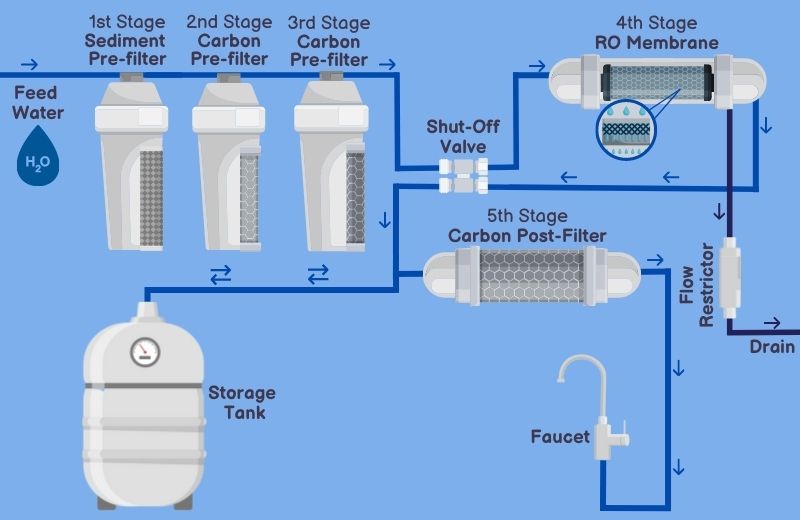
A typical RO system has three main acts. First, a sediment filter catches sand and rust—think of it as a bouncer for big riffraff. Next, a carbon filter grabs chlorine and weird tastes, like a sommelier for your tap.
The star of the show is the reverse osmosis membrane, a tightly wound sheet that rejects up to 99% of contaminants. Finally, purified water sits in a storage tank until you need it. Some newer models skip the tank for a more compact, “tankless” vibe—like the Apple Watch of water filters.
Cultural reference: If your city water smells like a swimming pool, it’s likely chlorine. RO systems handle that better than a Breaking Bad chemist’s lab coat.
Why your kitchen needs one (or maybe not)
Let’s be real: taste matters. RO water is so clean it makes iced tea taste like you’re sipping it at a mountain spring. Coffee drinkers, listen up—your morning brew will finally reveal its true flavor without the metallic aftertaste.
But there’s a catch: RO systems produce wastewater. For every gallon of pure water, you might dump 2–4 gallons down the drain. Modern units are better—some hit a 1:1 ratio—but it’s worth considering if you’re eco-conscious.
 The Perfect Pairing: Reverse Osmosis With Water Softener
Practical tip: If you live in an area with hard water (hello, mineral crust on your kettle), an RO system can be a lifesaver. It strips out calcium and magnesium, which means less scale on your appliances and softer skin after a shower.
Installation: friend or foe?
Countertop models are the lazy person’s dream—just screw onto your faucet and go. Under-sink units need a bit more DIY love, usually involving a drill and some patience. Pro tip: If you’re renting, stick with a countertop version. No need to negotiate with your landlord over a hole in the granite.
Fun fact: Some systems have a UV light stage that zaps any lingering viruses. It’s like giving your water a sunbath—but in a very sci-fi, plumbing sort of way.
Maintenance: the not-so-sexy part
Filters need swapping every 6–12 months—set a reminder on your phone, or you’ll end up with happy bacteria throwing a party inside your system. The membrane itself lasts 2–3 years, but if your water tastes flat or slow, it’s time for a change.
Real-world hack: Buy filter packs online in bulk. You’ll save cash, and it feels like meal-prepping for your fridge.
The hidden cost: minerals
Here’s the trade-off: RO water is so pure it lacks the natural minerals you get from spring water—like calcium and magnesium. Some people add a remineralization filter to put them back. Think of it as a retinol serum for your water: restoring what the process stripped away.
 Reverse osmosis system 60 фото - Dkelectro.ru
Settlers used to boil water; millennials install RO systems. It’s the same impulse—to make water safe and delicious—but with more plastic tubing.
A quick reality check
For most homes, an RO system is overkill if your tap water is already safe. Check your local water report (yes, it’s a thing). If you live in a city with good municipal treatment, a simple carbon filter might do the job for a fraction of the price.
But if you’re on well water, near farmland, or have a weird taste issue, RO is your best friend. It’s like having a insurance policy for your hydration.
The pop culture filter
Remember the scene in Back to the Future Part II where they rehydrate a pizza with a machine? RO water is basically that—but for your everyday life. Or think of it as the Stanley Cup of water purification: everyone wants one, but only some really need it.
Final sip
At its core, an RO system is a quiet act of self-care. You’re not just buying a gadget—you’re choosing to slow down a ritual. Every glass you pour becomes a small moment of clarity, literally and figuratively. Your coffee tastes better, your tea feels cleaner, and your skin might even thank you.
So next time you fill a glass at a friend’s sink, ask them about their setup. You might discover a whole new world of water—and a conversation that flows as smoothly as what’s inside that cup.
