What Is Ppm In Water

Ever glanced at a bottle of water and spotted something like “250 ppm” and thought, “Uh, is that… good?” You’re not alone. That little acronym—ppm—stands for parts per million...
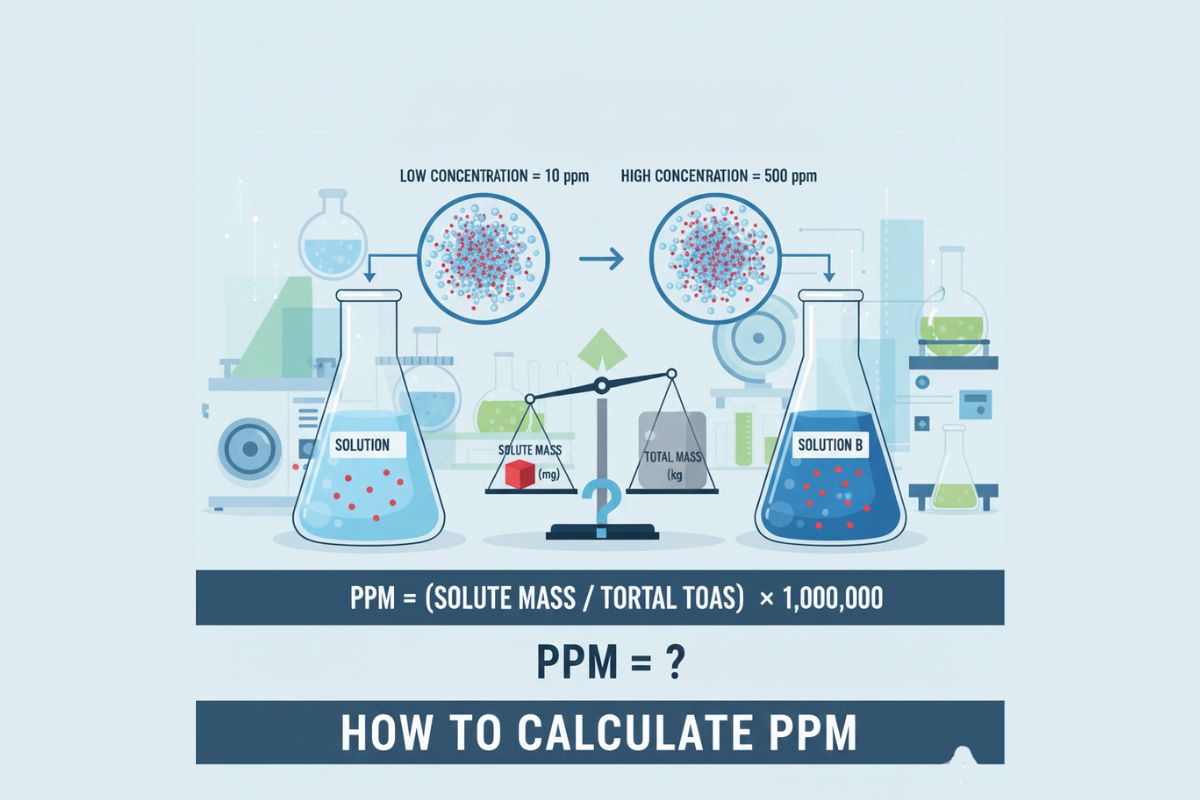
Ever glanced at a bottle of water and spotted something like “250 ppm” and thought, “Uh, is that… good?” You’re not alone. That little acronym—ppm—stands for parts per million, and it’s basically the measuring stick for tiny stuff floating in your water.
Think of it like this: if you had a million gumballs, and one of them was blue, that one blue gumball equals 1 ppm. It’s a really small amount—like one drop of food coloring in 50 gallons of punch. Cool, right?
So why does it matter? Because ppm tells you what’s actually in your glass, from minerals you want to the stuff you probably don’t. It’s the secret language of water quality, and once you know it, you’ll never look at tap water the same way again.
Must Read
The Magic of ‘Parts Per Million’
Imagine trying to describe a single grain of salt in a swimming pool. You can’t say “a pinch” because that’s too vague. Ppm is the solution—a super-precise way to talk about very tiny concentrations without pulling your hair out.
It’s like the metric system for invisibility. For every million units of water (by weight or volume), you’re counting just one unit of the thing you care about. That could be calcium, chlorine, or even gold—yes, some water has trace gold!
Why “million”? Because most stuff in water is so dilute that percentages (like 0.001%) feel clumsy. Ppm makes the numbers human-friendly—1 ppm is the same as 0.0001%.
What Ppm Actually Tells You About Your Water
Ever had water that tasted a little chalky? That’s total dissolved solids (TDS), measured in ppm. A reading under 50 ppm is like distilled water—pretty bland. Between 150 and 400 ppm? That’s where most tap water lands, with a nice mineral zing.
But here’s where it gets wild: ppm can also spoil the party. If chlorine in your tap water hits 4 ppm, it’s safe to drink, but above that? You’ll probably taste a swimming pool smell. And lead? Anything over 15 ppb (parts per billion, which is ppm divided by 1,000) is a red flag.
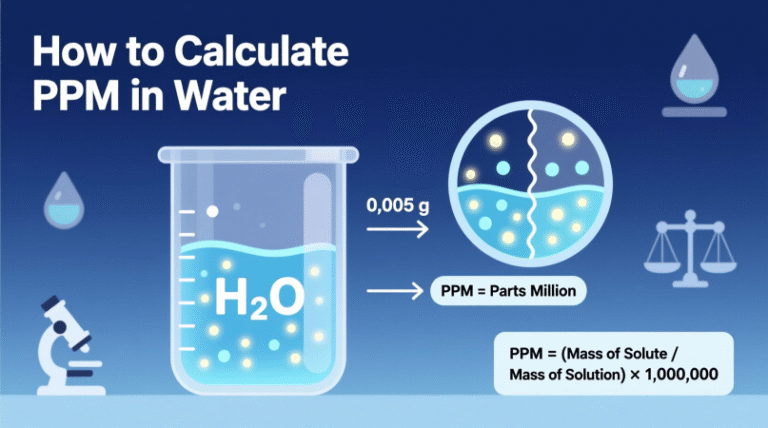 How To Calculate PPM In Water
So ppm isn’t just a number—it’s a safety score and a taste report rolled into one.
Why Should You Care? (And Yes, It’s Cool)
Here’s the fun part: ppm is like a secret detective for your water. Grab a simple TDS meter (they cost like $15), dip it in your glass, and you’ll see a number that reveals everything from hard water (high ppm) to soft water (low ppm).
Water at 0 ppm? That’s reverse osmosis water—so pure it tastes flat because all the minerals are gone. Water at 500 ppm? You’re basically drinking mineral water from a natural spring, with calcium and magnesium doing a happy dance in your glass.
And get this: ppm even explains why some water feels “slippery.” Soft water (low ppm) makes soap lather like crazy because there aren’t enough dissolved solids to fight the suds. Hard water (high ppm) leaves that chalky film on your skin. See? Science you can feel!
Fun Comparisons to Wrap Your Head Around
Let’s get visual for a sec. One ppm in water is like one second in 11.6 days. Or one inch in 16 miles. It’s almost nothing—and yet eveything changes at different ppm levels.
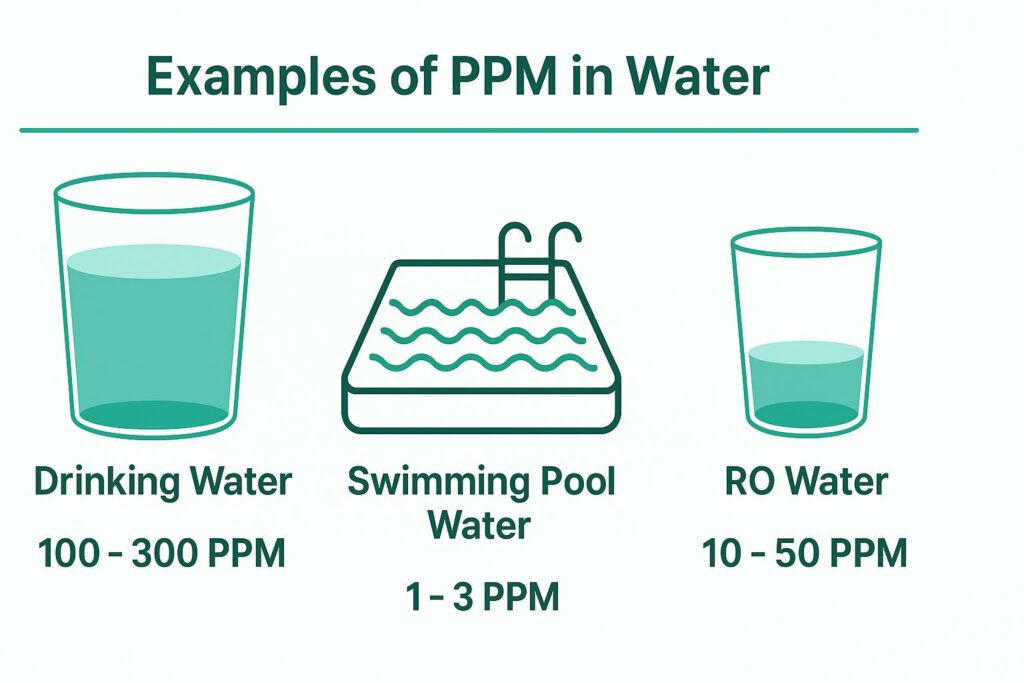 PPM In Water Quality – What Parts-Per-Million Means For Water Safety
Think about caffeine: a typical energy drink has about 350 ppm of caffeine. That’s enough to wake you up. But 1 ppm of warning chemicals in natural gas? That’s enough to make you run out of the house. Context is everything.
Even the ocean has a ppm story: seawater is about 35,000 ppm of salt. Drink that, and you’re in serious trouble. But a crisp bottled water at 200 ppm? That’s pure refreshment.
The Takeaway: Ppm Is Your Water’s Fingerprint
Next time you see “ppm” on a label, don’t glaze over. That number is a tiny story about where your water has been, what it picked up, and how it tastes. It’s the difference between “meh” tap water and “wow” spring water.
And honestly, isn’t it kind of amazing that we can measure something as small as a single part in a million? We’re like water whisperers, decoding invisible secrets with a simple number.
So go ahead—check your water’s ppm, compare it to a friend’s, and feel like a total water scientist. You’ve earned the coolest conversation starter for your next dinner party. Cheers to that!
