How To Test Water Ph

So, picture this: I’m standing in my kitchen, staring at a glass of tap water like it’s a magic potion. My prized fern, Fern-ando, had turned a sad, crispy yellow, and my frie...
So, picture this: I’m standing in my kitchen, staring at a glass of tap water like it’s a magic potion. My prized fern, Fern-ando, had turned a sad, crispy yellow, and my friend—the plant whisperer—asked, “What’s the pH of your water?” I honestly thought she was speaking alien. pH? That’s something from high school chemistry, right? Turns out, it’s the secret handshake between your water and everything it touches.
Fast forward to today, and I’m basically a water detective. Testing water pH sounds super technical, but I promise—it’s way easier than assembling IKEA furniture. And way more rewarding. Let’s dive into the murky, slightly acidic depths of home water testing.
Why Bother Testing Your Water pH?
First off, why should you care? Well, pH measures how acidic or alkaline your water is on a scale from 0 to 14. Seven is neutral, below is acidic, above is alkaline. Your body likes a balanced environment—your stomach is acidic, but your blood? Super picky. Seriously, your blood hates extreme pH shifts.
Must Read
But here’s the kicker: pH affects your plants, your pipes, your skin, and even your coffee. Acidic water can leach heavy metals from old pipes—fun, right? And your morning brew? Too alkaline, and it tastes flat. Too acidic, and it’s bitter. Yes, your coffee’s mood depends on pH. So testing your water isn’t just nerdy—it’s self-care.
The Gear: What You’ll Need
You don’t need a lab coat or a PhD. The options are cheap, simple, and—dare I say—fun. Here’s your toolkit:
Test strips. These little paper guys are the gateway drug of pH testing. Dip them in water, wait a few seconds, and watch the color change. It’s like a mood ring for your faucet. They cost about ten bucks for a hundred strips. Pros: dirt cheap and instant. Cons: colors can be tricky to read under bad lighting—hello, kitchen fluorescent glare.
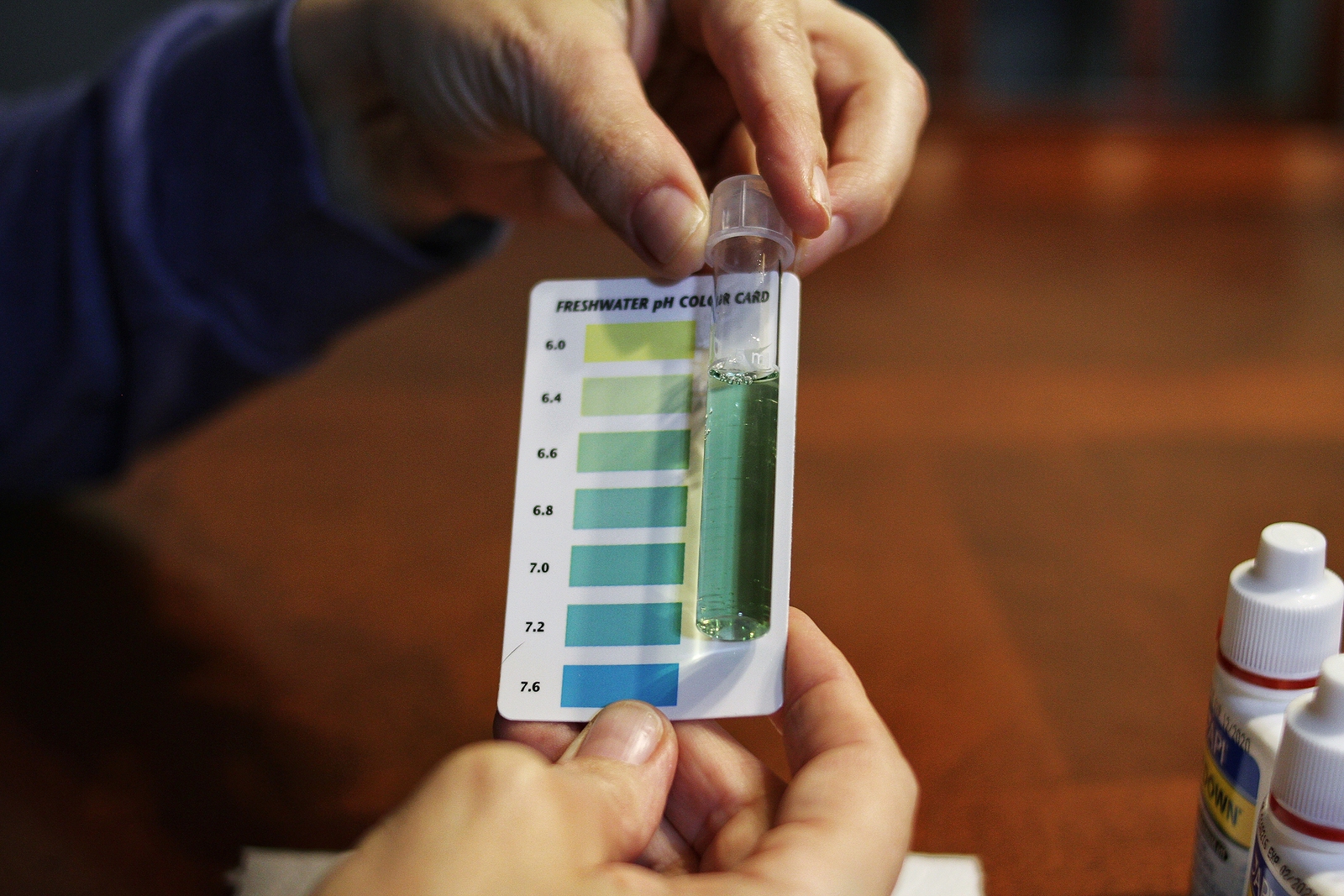
Liquid drop kits. Fancy, right? You add a few drops of a reagent to a water sample, and the liquid shifts color. Match it to a chart. This feels like being a mad scientist, but with zero explosions. These are a bit more accurate than strips, and they’re perfect for showing off at dinner parties. “Pass the salt, and check this pH level!”
 How To Test Ph Of Water , Top 3 Methods to Measure pH of Water – PNACAY
Digital pH meters. The big leagues. You stick a probe in water, and—boom—a number pops up. It’s like a thermometer, but for acidity. These cost twenty to a hundred bucks and need calibration now and then. But if you’re serious about your aquarium or your kombucha, this is your toy. Accuracy? Yes. Satisfaction? Also yes.
Step-by-Step: How to Test Like a Pro
Okay, grab your test strips—they’re the easiest start. Fill a clean glass with your water. No, not the cup you just drank coffee from—that will mess up the result. Use room-temperature water, because hot or cold water can skew the reading. Science is picky like that.
Dip the strip in for the time the package says—usually two to five seconds. Don’t go swimming with it. Pull it out, shake off excess water, and wait. The wait is the hardest part. Watch the colors shift on the strip’s pads. Compare those shades to the chart on the bottle. Is it a yellow-gold or a greenish-teal? Squint if you have to. That color tells you your pH number.
Pro tip: Test your water at different times. Morning tap water can be different from evening water after pipes have sat all day. And absolutely test water from different sources—kitchen sink, garden hose, even rainwater. I found out my hose water was a 6.2, which explained why my tomatoes looked depressed.
The Liquid Drop Method (For the Theater Enthusiast)
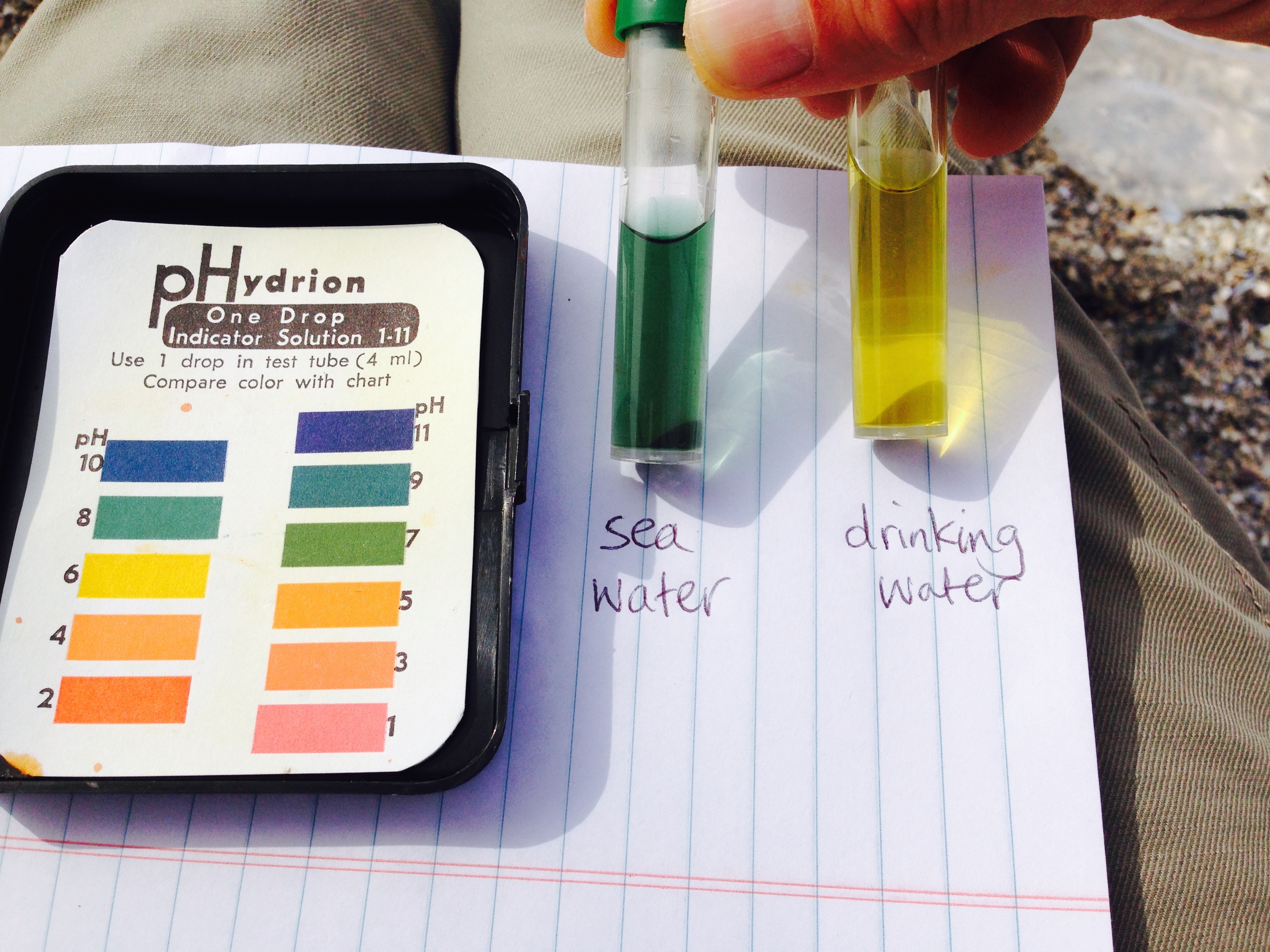
If you want a bit more drama, use a liquid drop kit. Fill a small vial with sample water. Add three to five drops of the reagent solution—it usually comes with the kit. Cap the vial and swirl it gently. Don’t shake it like a snow globe. Watch the color bloom. Compare to the chart. This method is great for cloudy water, because you can see the color through the liquid. Bonus: it makes you feel like Walter White, but for hydration.
 Ph Test For Bottled Water at Jacqueline Sadler blog
Digital Meter: High-Tech and No Guessing
Using a digital meter? First, calibrate it using the provided buffer solutions—usually pH 4, 7, and 10. Yes, it’s a tiny bit of homework. Rinse the probe with distilled water, then dip it into your sample. Wait for the number to stabilize—about 20 seconds. Write it down. Digital meters are precise, but they’re also divas. Store the probe properly or it gets grumpy. Worth the fuss if you test a lot.
What Do the Numbers Mean?
You got a number. Now what? Tap water usually sits between 6.5 and 8.5. That’s the sweet spot for drinking. Below 6.5? Your water might be eating your pipes—acidic. Above 8.5? It might taste chalky and feel slippery—alkaline. Think of it like Goldilocks: not too sour, not too soapy.
If you’re a plant parent, most houseplants like a pH between 6.0 and 7.0. My fern? She wanted 6.5. Now she’s perky again. For gardening, pH matters hugely. Soil pH affects how plants absorb nutrients. But that’s another rabbit hole—with shovels. For now, just know your water’s mood.
When to Panic—or Not
One weird reading doesn’t mean you need emergency services. But if your water tests below 6.0 or above 9.0 over several days, call a professional—or at least check your local water report. Low pH can signal corrosion or contamination. High pH might be from local minerals. Don’t panic, but don’t ignore it either. Most problems are fixable with a simple filter or a call to your water utility.
You don’t have to become a water guru overnight. Just test once a month, keep notes, and maybe annoy your friends at dinner parties. “You know, the pH of this wine might be affecting your mood…” Go ahead, be that person. Your water—and your fern—will thank you.
