Best Water Filter For City Water

Let’s be real for a second: city water is a bit of a mixed bag. One day it tastes like a pristine mountain spring, and the next it’s a chorus of clorox and old pipes. You dese...

Let’s be real for a second: city water is a bit of a mixed bag. One day it tastes like a pristine mountain spring, and the next it’s a chorus of clorox and old pipes. You deserve better, friend. Let’s find the best water filter for your tap without boring you to tears.
Why Your City Water Needs a Filter (Even If It’s “Safe”)
Your municipal water is technically “safe,” but that’s like saying a hotel bed is “sleepable.” Sure, you can use it, but do you want to? City water is treated with chlorine, chloramine, and sometimes fluoride—all great for killing bugs, but not so great for your morning coffee.
Then there’s the silent stuff: lead from old pipes, microplastics that snuck in like party crashers, and trace pharmaceuticals. No thanks. A good filter is your personal bouncer for your drinking glass, kicking out the uninvited guests.
Must Read
The Big Question: Pitcher, Faucet, or Under-Sink?
Pitcher filters are the “I’m just trying this out” option. They’re cheap, cute, and sit in your fridge like a little glass genie. But they’re slow—like watching paint dry—and they don’t tackle heavy metals as well as their bigger siblings.
Faucet-mounted filters are the “I want convenience but I’m scared of tools” pick. You screw them on, flip a switch, and boom—filtered water. Just remember to replace the cartridge before it starts tasting like regret.
Under-sink systems are the real MVPs. They hide under your cabinet like a secret agent, hook into your cold water line, and deliver purified water from a dedicated faucet. It’s the grown-up choice, and it does the heavy lifting without taking up counter space.
 Best Water Filters 2023 | Top 4 Best Water Filters - Review - YouTube
The Heavyweight Champion: Reverse Osmosis (RO)
If you want to go full “I’m a water snob and I’m proud of it,” get a reverse osmosis system. This thing filters out everything. We’re talking lead, arsenic, chlorine, fluoride, pesticides—it even removes that weird taste from plastic bottles.
The downside? It wastes some water (like a shy shower), and it can strip out healthy minerals. But many modern RO systems add a remineralization stage, so your water ends up tasting crisp and pure, not like a science experiment. Top picks include the APEC Water Systems ROES-50 or the iSpring RCC7—both are workhorses that won’t break the bank.
But What About the Good Minerals?
Here’s a fun fact: your body gets minerals from food, not water. Unless you’re eating a pure celery diet—in which case, call your doctor. So don’t stress about RO stripping calcium. You’ll be fine, I promise.
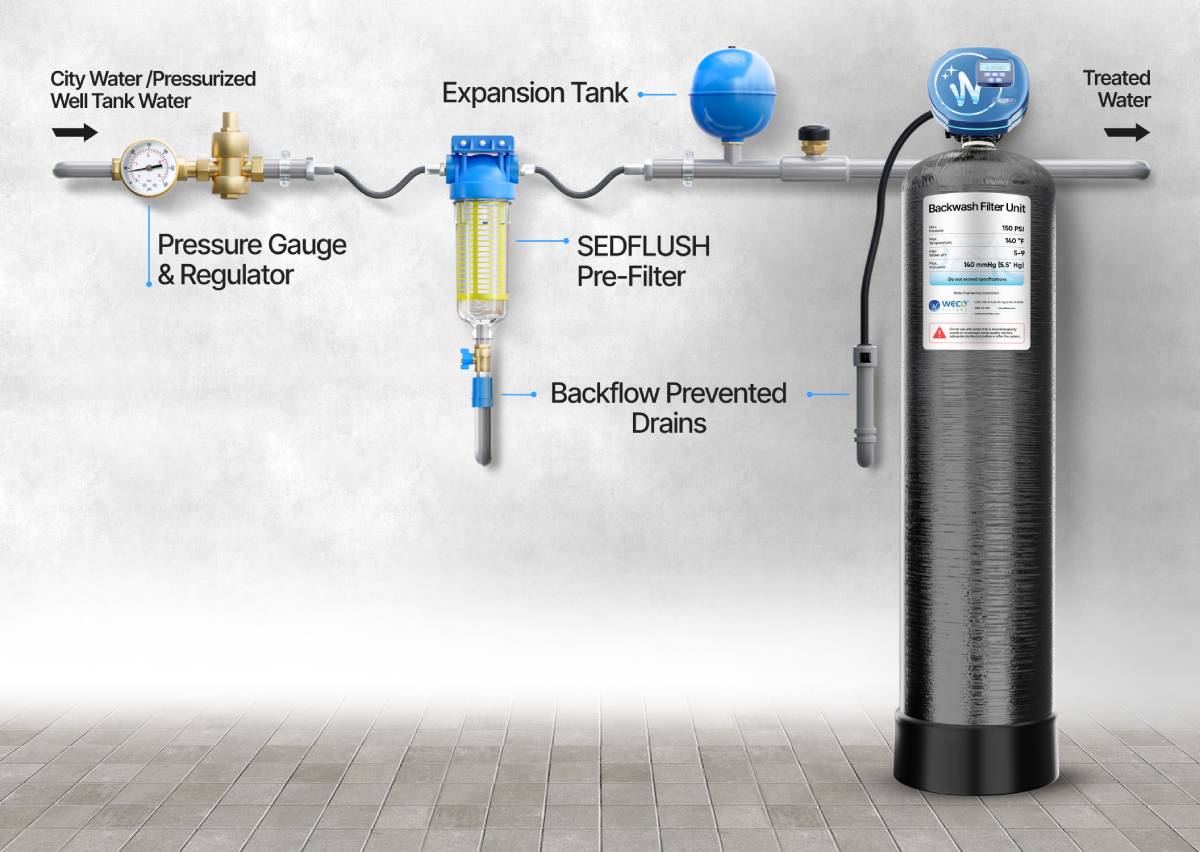 City Water Filter System
The Best Budget-Friendly Choice: Faucet Filter with a Twist
If you’re not ready to drill holes or install pipes, a carbon block faucet filter is your friend. My personal favorite is the PUR PFM400B. It clips onto your faucet in seconds, and it reduces 70+ contaminants including lead and mercury. Plus, it has a little light that tells you when to swap the filter—no guessing games.
The only catch? It might slow your water flow a bit. But that’s fine—just use that extra time to do a little dance while you wait.
The “Set It and Forget It” Pick: The Whole-House Option
You might be thinking, “Why clean only the drinking water when my shower water smells like a pool?” Enter the whole-house carbon filter. It goes on your main water line and scrubs chlorine from every tap. Your skin will thank you, your hair will stop feeling like straw, and your morning shower will smell like rain instead of bleach.
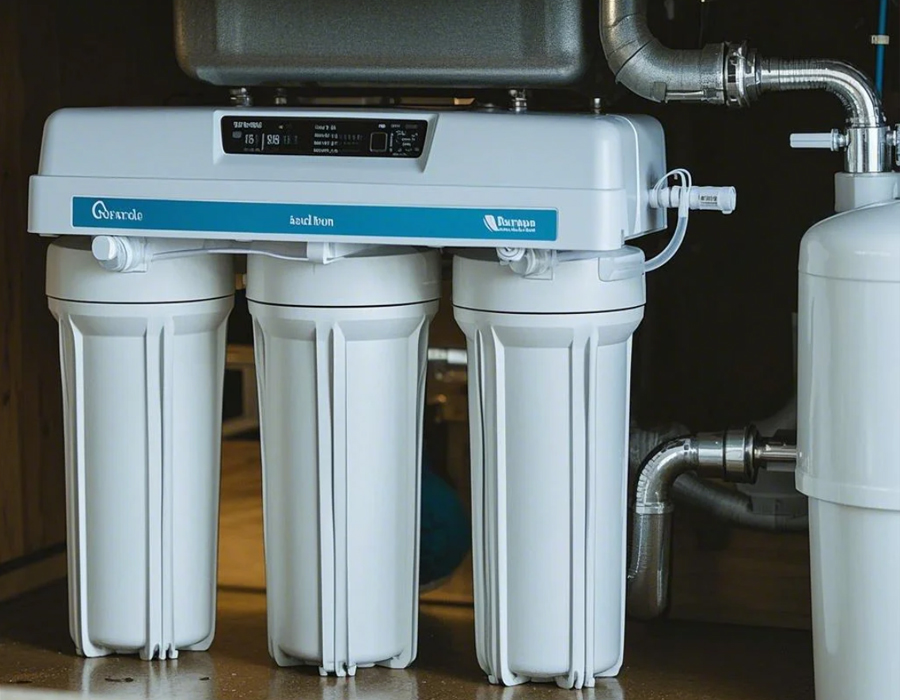 Water Filter Images amp Pictures: Clear Choices
Brands like Aquasana or iSpring make excellent units. Just know it’s a bigger investment—think of it as a spa upgrade for your entire plumbing system.
Don’t Forget the Ugly Truth: Lead and PFAS
Here’s the part nobody loves: lead and PFAS (forever chemicals) are still lurking in older city pipes. A basic carbon pitcher won’t touch them. You need a filter that’s certified for those specific nasties. Look for labels like NSF 53 for lead and NSF 401 for emerging contaminants.
Check your city’s water report online—it’s usually called a “Consumer Confidence Report.” It’s a bit like a report card for your tap water. Mine once had a “B-” in taste, and I decided that was unacceptable.
 Your Complete Guide to City Water Filtration – Water eStore
Real Talk: What I Use and Love
I’m an under-sink guy. I have the APEC ROES-50 with a remineralizer, and it’s been a rockstar for three years. The water tastes like it was bottled by happy mountain elves. My wife says I’m obsessed, and she’s right—but at least I’m hydrated and smug.
If I were on a tighter budget, I’d grab the Brita Longlast pitcher. It handles more contaminants than a standard Brita and lasts six months. It’s the “responsible adult” version of the classic pitcher.
The Final Pour
Look, filtering city water doesn’t have to be complicated. Whether you go full RO, a snazzy faucet filter, or a trusty pitcher, the goal is the same: drink water that makes you happy. You’re worth the upgrade, and your taste buds will throw a little party.
So go ahead—pick your filter, fill your glass, and take a long, satisfying sip. You’re now officially a water connoisseur. Welcome to the club. We meet at the kitchen sink, and the conversation is always crisp.
