Best Softener Salt For Hard Water

Picture this: you step out of a steaming shower, skin feeling like it’s been shrink-wrapped, and your favorite glassware looks like it survived a blizzard. That, my friend, is...
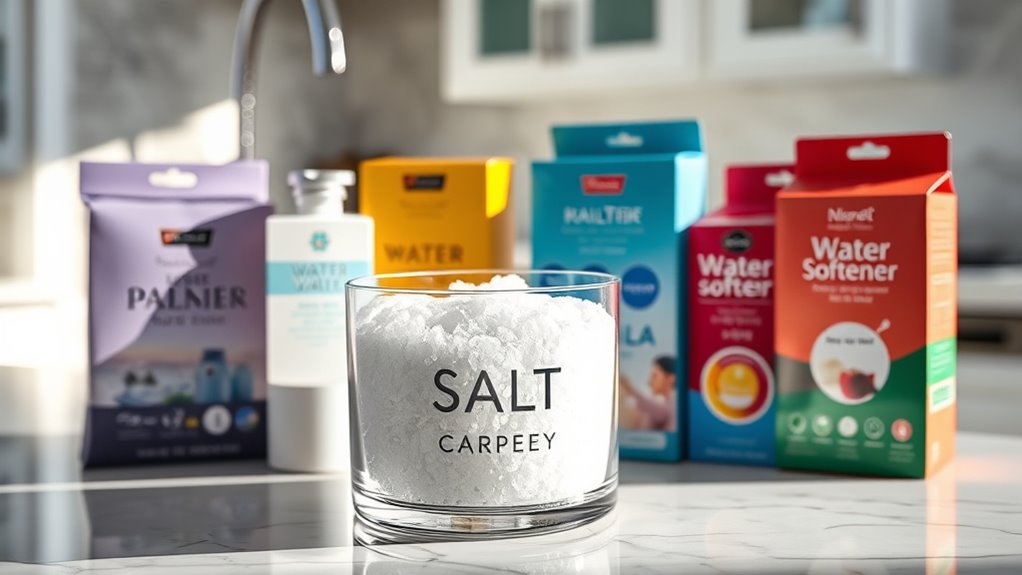
Picture this: you step out of a steaming shower, skin feeling like it’s been shrink-wrapped, and your favorite glassware looks like it survived a blizzard. That, my friend, is the not-so-glamorous reality of hard water—a mineral-heavy menace that leaves scale on your faucets and flatness in your hair. The unsung hero here isn’t a fancy filter or a pricey plumber; it’s the humble bag of softener salt you pour into your brine tank. Think of it as the backstage pass to silkier showers, longer-lasting appliances, and a laundry scent that actually sticks around.
Not all softener salts are created equal, and choosing the wrong one is like using tap water to make a fine espresso—it just works less. Let’s break it down with a little science, a dash of practical gossip, and just enough fun to keep you scrolling.
The Three Musketeers of Softener Salt
You’ll find three main types at the store: rock salt, solar salt, and evaporated salt (also called pellet salt). Rock salt is the budget-friendly, gravel-looking cousin—it’s cheap, but it’s also messy, leaving behind a sludge of insoluble minerals that can gunk up your tank. Solar salt, harvested from evaporated seawater, comes in crystals or pellets and is a solid middle-ground pick, though it can still leave a little residue.
Must Read
For the Goldilocks of softeners, go with evaporated salt—pure, white pellets that dissolve almost completely, giving you the highest purity (over 99.9% sodium chloride). It costs more, but it’s like paying for first-class: less maintenance, fewer headaches, and a system that purrs like a kitten. Pro tip: if your water is hellishly hard (think over 10 grains per gallon), this is your non-negotiable choice.
When Life Gives You Hard Water, Add Potassium
Here’s a curveball for the health-conscious or the eco-savvy: you can swap sodium chloride for potassium chloride. It’s a salt alternative that works the same way but is gentler on plants and people with high blood pressure. The catch? It’s pricier—about double the cost—and your system might need to regenerate more often because it’s less dense.
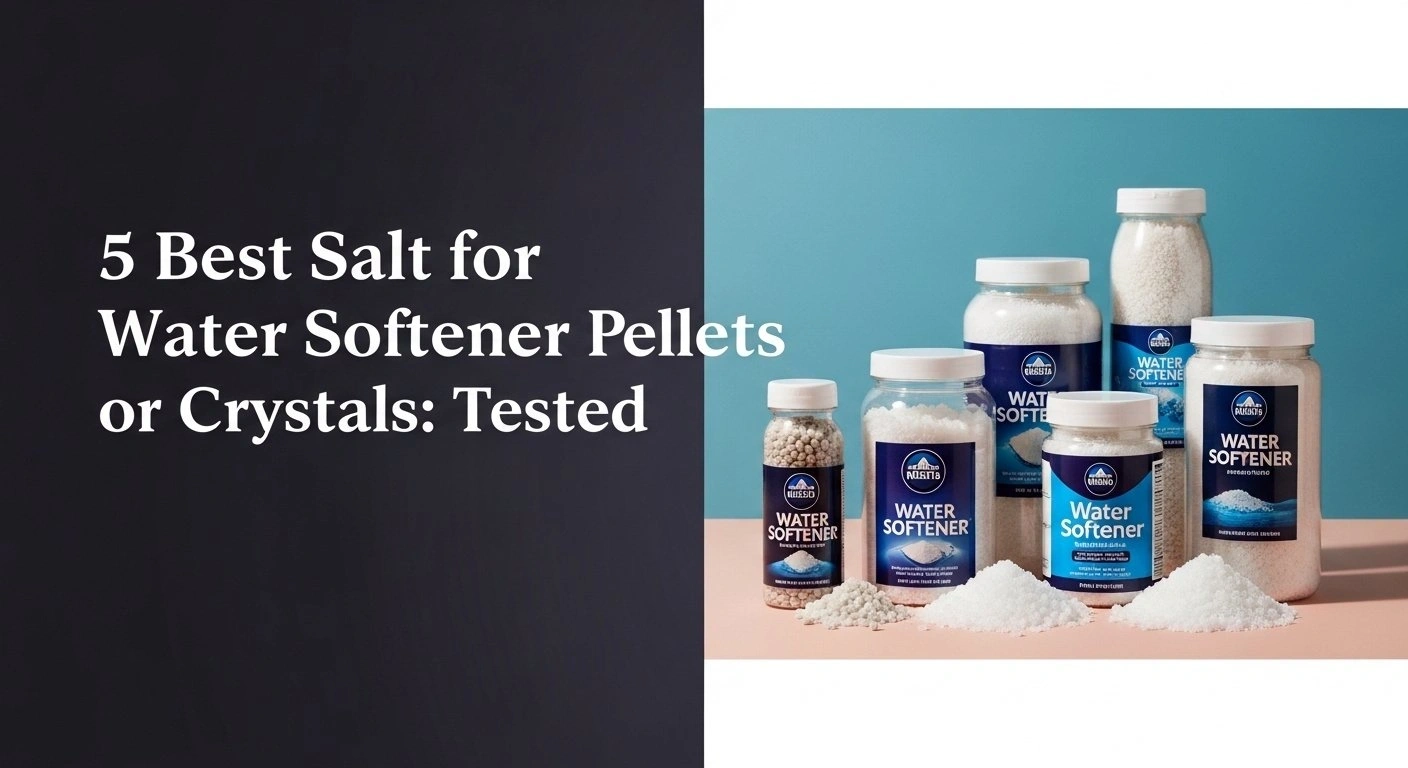 5 Best Salt For Water Softener Pellets Or Crystals: Tested
But for those who cringe at adding sodium to their water (even if it’s trace amounts), potassium is a luxurious little secret. Fun fact: potassium is also a key ingredient in fertilizer, so your garden will secretly thank you when you backwash your tank. Just don’t tell your neighbors—it’s your softener’s special magic.
The “Salt Bridge” Horror Story (And How to Avoid It)
Ever heard of a salt bridge? It’s when the salt forms a crusty layer above the water, leaving your softener stranded and your water hard. This happens if you use too much salt or the wrong type—typically rock salt or high-impurity solar salt. The fix? Break it up with a broom handle (channel your inner Viking) and switch to pellets.
 The Best and Worst Salt for Your Water Softener - Water eStore
Another villain is mush—a gooey sludge of undissolved salt that clogs your brine tank. This is rock salt’s dirty secret. So, whenever you’re tempted by a bargain bin bag of salt, remember: you get what you pay for. Your water heater and dishwasher will send you a thank-you note in the form of lower energy bills.
Practical Tips for Salt Savvy
Don’t just pour and pray. Check your salt level every month—keep it at least half-full, but never above the water level. A full tank is not a happy tank; it just bridges faster.
Bag size matters. A 40-pound bag is standard, but if you have a high-efficiency softener, it might require smaller pellets. Read the manual like it’s a juicy novel—it holds the keys to your softener’s heart.
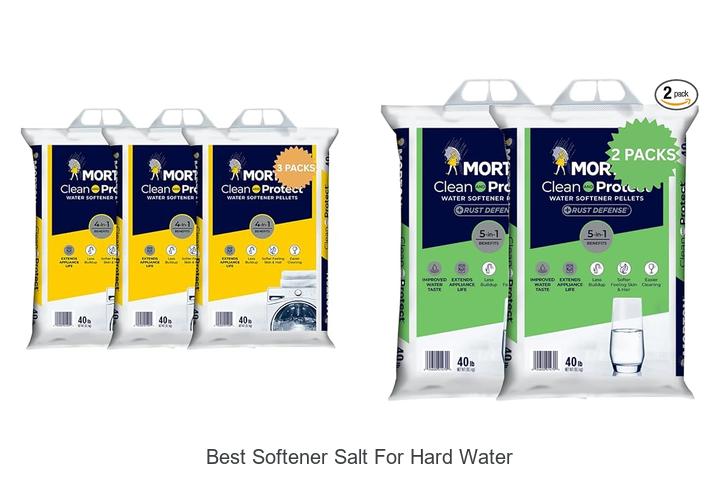 Top 15 Best Softener Salt For Hard Water You Must See
Beware of the “iron in water” trap. If your water has a metallic taste or rusty stains, add a special rust-fighting salt (look for “iron-cleaning” pellets). They contain citric acid or other additives to keep the gunk from gumming up the works.
Cultural Water Wisdom (for Fun)
Did you know that ancient Romans used lead pipes? Not exactly the gold standard there. But they did use salt to soften water in some bathhouses, scraping mineral deposits by hand. Fast forward to today: Japan has entire vending machines selling “soft water” for tea ceremonies, because hard water ruins the delicate flavor of matcha. So when you soften your water, you’re basically living like a tea master… or an emperor. No big deal.
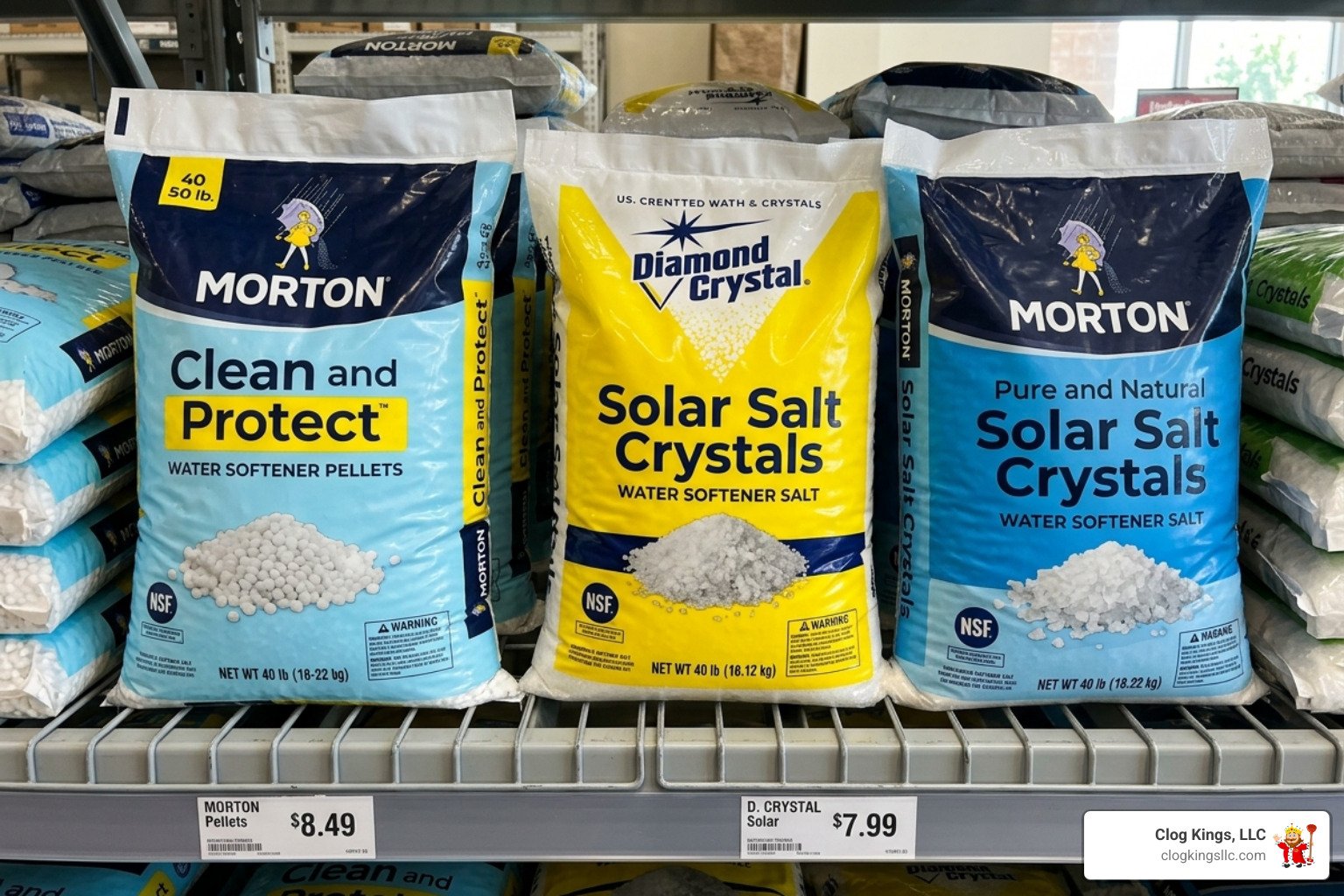 Best Water Softener Salt: Pellets, Crystals, and Blocks Compared – CLOG
In the American Southwest, where water can be harder than a diamond, some homeowners keep a “salt diary” to track when they refill. It’s oddly meditative—like tending a tiny, salty zen garden. Try it; your stress levels might drop along with your water’s hardness score.
Connecting to Daily Life
Think of your softener salt as the quiet friend who never gets the spotlight but keeps everything running smoothly. That morning coffee? No scale flakes. Those post-yoga leggings? Soft, not scratchy. The shower where you sing off-key? It’s your personal spa, thanks to a bag of pellets.
At the end of the day, soft water is a small luxury that touches every tap, every load of laundry, every hot soak. And choosing the right salt isn’t a chore—it’s a gentle act of rebellion against the gritty, hard world. So next time you pour those white pellets into the tank, give yourself a little nod. You’ve earned the silky skin, the sparkling glasses, and the quiet satisfaction of a job well done.
