Best Water Filter For Heavy Metals

Let’s be real for a second: you probably think your tap water is fine. It’s clear, it’s cold, and it hasn’t turned you into a superhero or a zombie yet. But lurking invisibly...
Let’s be real for a second: you probably think your tap water is fine. It’s clear, it’s cold, and it hasn’t turned you into a superhero or a zombie yet. But lurking invisibly in that crystal-clear glass could be a party of heavy metals you didn’t invite—lead, cadmium, arsenic, and mercury. Think of them as the uninvited guests who stain the carpet and make the cat sick. That’s why finding the best water filter for heavy metals isn’t just a wellness flex; it’s a basic life upgrade.
Before we dive into the hardware, let’s get one thing straight: not all filters are created equal. That cute little pitcher in your fridge? It’s great for making your iced tea taste less like a swimming pool, but it’s likely not your heavy-metal bodyguard. For real protection against lead and its nasty neighbors, you need specific technology. Think of it as the difference between a polite security guard and a SWAT team.
The Science of Sucking Out the Nasty Stuff
Here’s where it gets a little geeky, but stick with me. The heavy metal heroes are activated carbon, reverse osmosis (RO), and ion exchange. Activated carbon is like a microscopic sponge with a grudge—it traps contaminants on its surface. Reverse osmosis is the diva of the filtration world, pushing water through a membrane so tight that even molecules of lead and arsenic get turned away at the velvet rope.
Must Read
Ion exchange is the chemistry brainiac. It swaps harmless ions (like sodium) for harmful ones (like lead). A real-world fan-favorite combo is a carbon block filter with a catalytic center. It catches chlorine and bad tastes while also ripping out heavy metals. For the nuclear option, a whole-house reverse osmosis system is the endgame, but it’s pricey and wastes a bit of water. Your call.
Fun little fact: Ancient Romans used lead pipes for their aqueducts. They even sweetened their wine with lead acetate. Did they know? Probably. Did they care? Apparently not. We’ve learned a lot since the Colosseum days, so consider your filter a modern victory over ancient bad choices.
 Top 5 Water Filters for Heavy Metals: Your Guide
Your Heavy Metal Hit List: What to Target
You don’t need to filter out everything—just the big villains. Lead is public enemy number one, especially if your home was built before 1986. It leaches from old pipes and can mess with your brain and your kid’s development. Cadmium is a sneaky carcinogen from fertilizers and industrial runoff. And Arsenic? That’s the silent spooky one, found naturally in groundwater in many U.S. states—it’s been called “the king of poisons” in history books.
Your filter needs to be certified to remove these specific baddies. Look for the NSF/ANSI Standard 53 for lead and Standard 58 for reverse osmosis. If it doesn’t have those little gold badges on the box, it’s just pretending. Don’t be that person who buys a fancy filter and then deletes the manual without checking the specs.
A cultural reference to ground you: remember the Erin Brockovich movie? That hexavalent chromium nightmare in California? A good filter would have been her co-star. It’s the quiet insurance policy against the next environmental scandal you haven’t heard about yet. Be smarter than PG&E.
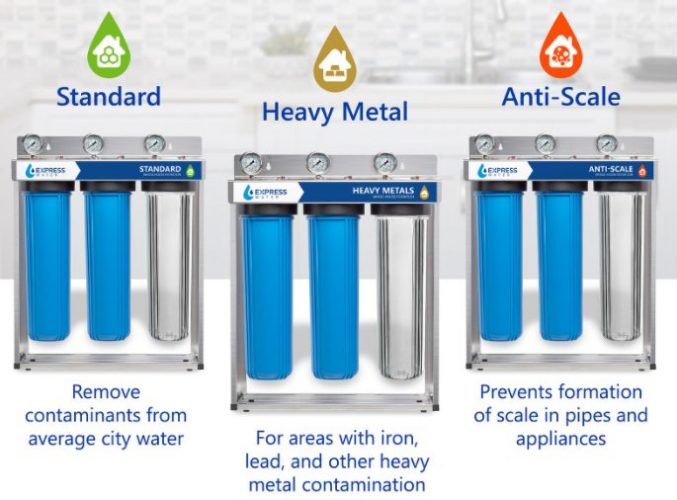
 3 Stage Heavy Metals Whole House Water Filter Express Water
Three Filters That Actually Get the Job Done
Let’s talk hardware. First up, countertop gravity filters—the aesthetic darling of every wellness influencer’s kitchen. Brands like Berkey or Alexapure use a combo of carbon and ion exchange media. They’re stylish, require no electricity, and handle lead and mercury like a champ. Downside? They’re slow. You’ll wait for that water like you’re waiting for a good brunch table.
Second, the under-sink reverse osmosis system. This is the workhorse for people who want the best water possible without looking at a machine on their counter. Brands like APEC or iSpring are reliable, and they remove everything—heavy metals, fluoride, microplastics. It’s like sending your tap water to a Swiss finishing school. Practical tip: get one with a remineralization stage so your water doesn’t taste flat and lifeless.
 Best Heavy Metal Water Filter: Berkey, Reverse Osmosis, and Pitcher Co
Third, the activated carbon faucet mount. Think Pur or Brita’s Elite line. These are the “good enough for now” options. They’re cheap and easy, but you must change the cartridge religiously—every 60 to 90 days. Set a recurring calendar alert, or you’re basically drinking filter-flavored regret. Works best if your heavy metal levels are low to moderate, not apocalyptic.
Installation and Maintenance: Don’t Be a Lazy Genius
You can buy the best water filter for heavy metals money can buy, but if you never change the filter, you’re a fancy victim of your own neglect. A clogged filter becomes a breeding ground for bacteria—yep, you just paid to grow a science experiment. Mark your calendar, buy replacement packs in bulk, and consider it a self-care ritual.
Installation varies. Countertop models are plug-and-play, easier than assembling IKEA furniture. Under-sink models? You might need a plumber unless you’re handy with a wrench. If you see copper pipes and start sweating, call a pro. Also, test your water first. Home test kits cost $15 and will tell you if you’re chasing a problem or just being paranoid. Knowledge is power (and cheaper than a high-end filter you don’t need).
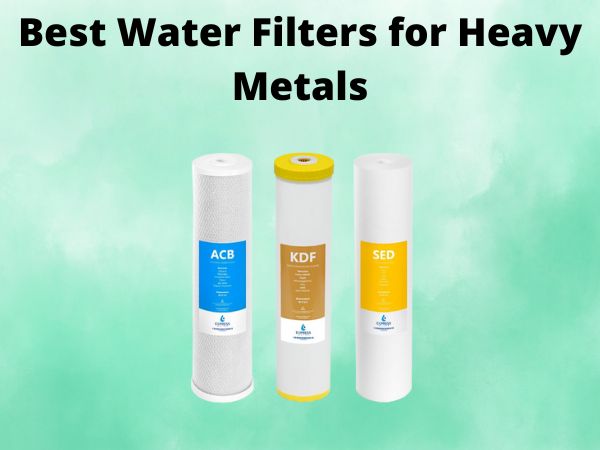 Best Water Filters for Heavy Metals: Top Picks for 2026
Fun little fact: In Japan, many homes have whole-house filtration systems because of post-war industrial pollution. They treat water like a sacred resource—it’s worth reflecting on that next time you take a sip. Consider it the cultural equivalent of a clean conscience.
The Daily Connection
At the end of the day, filtering water isn’t about fear—it’s about intention. You’re choosing to treat your body like a temple instead of a drafty old shed. That first morning glass of clean, crisp, metal-free water hits different. It’s a quiet win before your coffee even kicks in. You don’t need to overthink it; just pick a filter that matches your life, change the cartridge on time, and trust that you’re doing something small that matters a lot.
Because here’s the reflection worth keeping: we can’t control the air quality outside, the soil where our food grew, or the old building codes in our homes. But we can control what enters our own glass. That’s not just practical. That’s a little bit of modern magic. So raise your filtered glass to a cleaner, quieter, and slightly less metallic life. Cheers to the good stuff left in.
